Paper cup pallet load verification connects the packing specification to a physical shipping unit. Correct carton counts can still produce an unstable or misidentified load when layer pattern, height, wrap, labels and mixed-lot rules are not checked together.
This guide provides a release checklist. It does not define safe load limits, transport regulations or customer pallet dimensions; use approved packaging specifications and logistics requirements.
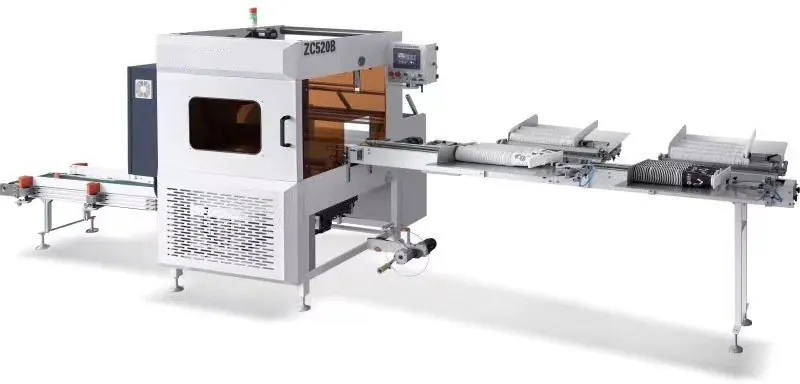
Decision worksheet
| Control point | Evidence to retain | Decision status |
|---|---|---|
| Confirm the pallet specification | Record specification revision and permitted substitutions | Verified, held or escalated |
| Verify carton identity and count | Record mixed-lot or partial-pallet rules and identify every exception | Verified, held or escalated |
| Build and inspect the load | Count layers and cartons using a second method or scan when required | Verified, held or escalated |
| Secure and label the pallet | Place pallet identity and handling marks where they remain readable | Verified, held or escalated |
| Release to warehouse or dispatch | Link the pallet to inventory and shipment documents and photograph it when required | Verified, held or escalated |
Confirm the pallet specification
Map the control to the production or logistics route. Match pallet type, footprint, layer pattern, maximum height and protective materials to the order. Identify where information enters the process and where another person depends on it. Record specification revision and permitted substitutions. Compare the source record with labels, containers or equipment at the work point, and preserve the original value when a correction is needed.
Hold loading when the pallet or pattern differs without written authorization. Stop release when identity or scope cannot be defended. Record the affected boundary, immediate action and approval needed, then verify the corrected condition instead of accepting a verbal confirmation.
Verify carton identity and count
Begin with the requirement and evidence needed for the decision. Check SKU, lot code, carton count and pack quantity before stacking. Make the instruction specific enough that two trained people would reach the same conclusion. Record mixed-lot or partial-pallet rules and identify every exception. Keep supporting photographs, files or samples linked to their source and revision.
Separate cartons with damaged, unreadable or conflicting labels. Escalate differences according to risk, including product already moved to a later stage. Retain failed or incomplete evidence beside the final result so the sequence remains auditable and future investigations can reconstruct it.
Build and inspect the load
Treat this activity as a controlled handoff. Observe layer alignment, edge overhang, corner protection and distribution of weight. Name the sender, receiver, item and acceptance condition, then confirm the receiving party can recognize the current status. Count layers and cartons using a second method or scan when required. Reconcile changes made during the handoff and document who authorized them.
Rebuild loads that lean, crush lower cartons or exceed the approved envelope. Segregate mismatched or missing items and prevent automatic system release. After correction, perform a direct check at the destination and record the time, quantity and final status before closing the handoff.
Secure and label the pallet
The review should test both completeness and practical use. Apply wrap, straps or covers according to specification without obscuring required labels. Check the current job and physical evidence first, then compare supporting records. Place pallet identity and handling marks where they remain readable. Use a defined sample or full check appropriate to the risk and explain any conversion between cups, stacks, bags, cartons or pallets.
Stop release when the label describes a different lot, quantity, customer or destination. Investigate unexplained differences rather than forcing a balance. Assign corrective work, confirm its result at the process location and preserve approval with the batch, shipment or event record.
Release to warehouse or dispatch
Record final dimensions, count, condition, pallet ID and reviewer. State the responsible role, applicable product and exact decision point before work begins. Use approved order and quality records rather than an informal message. Link the pallet to inventory and shipment documents and photograph it when required. Capture actual identifiers, quantities, dates and observations while the activity occurs.
Investigate any change after verification, including rewrapping, carton removal or destination reassignment. Protect any uncertain product from normal movement and assign the unresolved question to an authorized owner. Close the step only after physical items, system status and written evidence agree.
Related equipment and next checks
Review the paper cup production line and the related guide to finished goods storage and dispatch guide. The Engineering Notes archive connects these checks with wider machine planning.
Frequently asked questions
Can different lots share one pallet?
Only when the approved packing and traceability rules allow it and each lot remains identifiable.
Should every pallet be measured?
Follow the risk-based packing plan and customer requirements; critical limits may require every-load checks.
What if wrap covers the carton labels?
Keep required traceability and handling information readable or provide controlled pallet-level identification.
When must a pallet be reverified?
After any carton, wrap, label, destination or load-configuration change.
Review the evidence with HANNAI
Send the carton pack, pallet specification, transport limits and mixed-lot rules. HANNAI can review packing-line and warehouse handoff evidence.