A paper cup foreign material incident requires rapid product protection and careful evidence handling. Removing the observed fragment and restarting without defining the affected time, location and potential source can allow the same mechanism to continue.
This guide provides a manufacturing response framework. It does not define food-contact regulation, laboratory identification or customer-reporting obligations; follow approved site and market requirements.
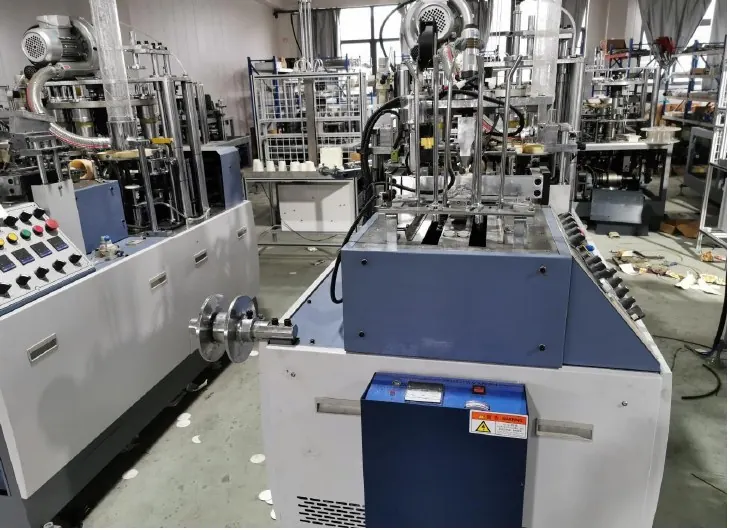
Decision worksheet
| Control point | Evidence to retain | Release decision |
|---|---|---|
| Observation | Material, location, time and finder | Event is documented |
| Containment | Line stop, hold boundary and hygiene control | Affected output protected |
| Evidence | Fragment, images and chain of custody | Original condition retained |
| Source review | Equipment, material, environment and people | Mechanism evaluated |
| Restart | Cleaning, inspection and verification | Authorized production resumes |
Document before disturbing evidence
Record where the material was found, product orientation, cup or package identity, time and production condition. Photograph scale and surrounding area when safe. Define the responsible role and the point in the production or warehouse flow where the check occurs. Use the current approved order, specification or procedure rather than an uncontrolled copy. Place the fragment and affected cup in identified protected containers. Record handling and avoid cleaning that could remove useful residues. Record actual identities, quantities, dates and observations as the work happens, so a later reviewer can reconstruct the decision without relying on memory.
Treat an uncertain observation as evidence requiring review rather than assigning a material type from appearance alone. Protect affected material before continuing and keep the original observation visible. Assign an owner and due time for missing information. The review should distinguish confirmed facts, assumptions and unavailable evidence, then state who may authorize the next movement or use.
Stop and define the product boundary
Begin by mapping the affected item and process boundary. Pause the affected line and protect output since the last verified inspection or credible clean condition. Include transfer and packing equipment. Make the instruction usable at the line by naming the product, lot, equipment, location and revision that apply. Record machine counters, time, lots, containers and movements. Hold nearby open material if exposure is plausible. Where electronic and physical records both exist, compare them rather than assuming they agree. Preserve screenshots, labels or samples only when their source remains identifiable.
Extend containment when records do not support a narrower start point or when fragments could travel across positions. Stop the normal release path until the difference is resolved or formally accepted by an authorized role. Reconcile every transferred, sampled, reprinted, discarded or returned quantity. Close the step with a dated decision and a link to supporting evidence.
Inspect potential sources systematically
The control should answer what is being checked, against which requirement and by whom. Review product material, tools, guards, wear parts, fasteners, cleaning items, clothing and the surrounding environment. Look for missing or damaged components. Use clear acceptance language and avoid broad statements such as checked or acceptable when an actual result can be recorded. Compare the fragment with suspected sources using approved technical methods. Retain photographs and maintenance findings with the event record. Keep the first result and any later correction or retest connected in sequence; do not overwrite evidence that explains why the review began.
Do not replace a damaged part and close the event until the product exposure and remaining fragments have been considered. Contain the defined scope, notify the designated owner and evaluate whether earlier output or later operations may also be affected. Verify the corrective action at the work point before reopening the normal route, and retain the closure evidence with the batch or event record.
Clean and verify the equipment path
Use the approved cleaning and inspection procedure for the forming, transfer and packing route. Account for removed parts and cleaning materials. Define the responsible role and the point in the production or warehouse flow where the check occurs. Use the current approved order, specification or procedure rather than an uncontrolled copy. Inspect hidden collection points, conveyors and containers where fragments may remain. Record responsible people and completion evidence. Record actual identities, quantities, dates and observations as the work happens, so a later reviewer can reconstruct the decision without relying on memory.
If the source is not confirmed, define enhanced checks and escalation rather than stating that cleaning proves the risk is gone. Protect affected material before continuing and keep the original observation visible. Assign an owner and due time for missing information. The review should distinguish confirmed facts, assumptions and unavailable evidence, then state who may authorize the next movement or use.
Authorize restart and disposition
Begin by mapping the affected item and process boundary. Review containment, equipment condition, cleaning and challenge output before restart. Identify the first accepted production boundary. Make the instruction usable at the line by naming the product, lot, equipment, location and revision that apply. Inspect or dispose of held product through an approved risk-based decision. Reconcile samples, scrap, released quantity and remaining hold. Where electronic and physical records both exist, compare them rather than assuming they agree. Preserve screenshots, labels or samples only when their source remains identifiable.
Monitor early production and verify corrective actions. Escalate recurrence immediately because it may invalidate the previous source conclusion. Stop the normal release path until the difference is resolved or formally accepted by an authorized role. Reconcile every transferred, sampled, reprinted, discarded or returned quantity. Close the step with a dated decision and a link to supporting evidence.
Related equipment and next checks
Review the HN-M100 automatic paper cup machine and the related guide to defect containment guide. The Engineering Notes archive connects these checks with wider machine planning.
Frequently asked questions
Should the fragment be cleaned?
Preserve its original condition unless the approved identification method requires controlled preparation.
How far back should product be held?
Use the last verified clean condition, inspection evidence and movement records to define the boundary.
Can production restart without a confirmed source?
Only through an authorized risk decision with verified cleaning and defined additional controls.
What evidence supports restart?
Equipment condition, cleaning records, route inspection and acceptable challenge output.
Review the evidence with HANNAI
Send the incident location, photographs, affected lot and equipment condition. HANNAI can help identify inspection points along the forming and transfer route.