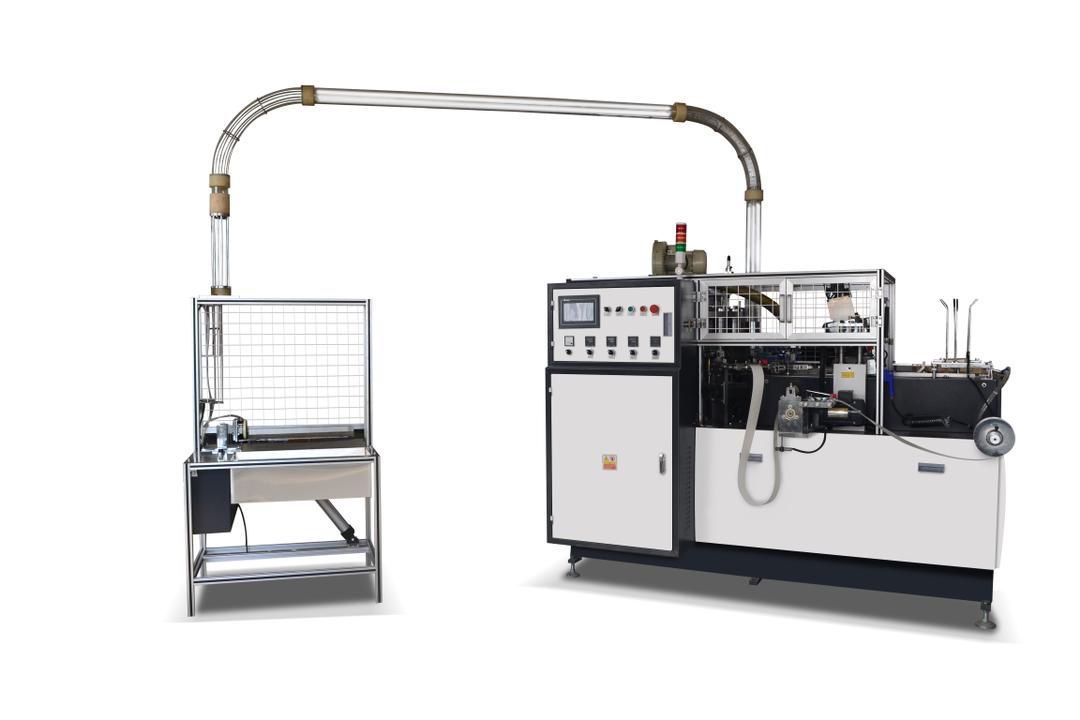
Paper cup leakage troubleshooting starts with the failed cup and the test conditions. “The cup leaks” describes a result, not a root cause. The first task is to establish where leakage appears, when it occurs and which production interval may be affected before changing machine settings.
Retain failed and comparison samples with their identities. Protect potentially affected production under the factory's quality process while qualified personnel and the supplier review the evidence. This buyer-level guide supports diagnosis without supplying universal adjustment settings.
Confirm the test and intended use
Record the test liquid, fill level, temperature where relevant, observation interval and handling. Note whether cups were fresh from production or tested after storage. A spill, damaged rim or inconsistent fill procedure can be mistaken for a seal failure.
Use a defined method and acceptance criterion for the application. For a deeper assessment of whether the method itself reliably detects relevant failures, see the leak-test method validation guide. Do not compare results obtained under unrecorded or different conditions.
Locate the first visible failure
Distinguish leakage at the side seam, bottom joint, seam-bottom intersection or an area of damaged paper. Photograph the first observed location and mark sample orientation where helpful. Later spreading can obscure the original entry point.
Describe whether the failure is immediate, develops during observation or appears after handling. Retain that sequence instead of reporting only the final wet area. Multiple locations in one sample may require additional inspection before a primary failure is assigned.
| First observation | Evidence to preserve | Next investigation question |
|---|---|---|
| Side-seam leakage | Seam location and sample orientation | Does the defect repeat with a material or setup condition? |
| Bottom-joint leakage | Bottom appearance and failure timing | Which bottom-material and forming references were used? |
| Intersection leakage | Images of the combined joint area | Is the pattern associated with overlap or forming variation? |
| Paper-body damage | Damage position and handling history | Did damage precede the test or occur during handling? |
| Inconsistent results | Method and operator records | Is test variation obscuring the product condition? |
Define the affected production boundary
Identify machine, cup drawing, material lots, tooling and production times. Review recent material changes, size changes, stops and maintenance events. Separate the last known acceptable result from the time the defect was detected; they may not be the same boundary.
Hold or segregate production according to the authorized quality decision. A successful new sample does not automatically release cups produced during the uncertain interval. Keep lot and quantity records so containment can be reviewed without guessing.
Review material and setup evidence together
Check that the actual sidewall and bottom materials match the approved application. Record visible blank damage, coating irregularity or identification discrepancies as observations, not proven causes. Review tooling and setup records against the current drawing revision.
The paper-requirements guide explains why GSM alone cannot establish compatibility. The sealing comparison guide helps distinguish the side and bottom processes when discussing the proposed machine.
Make authorized changes in a controlled sequence
Ask the supplier and qualified site personnel to select the diagnostic steps from the machine instructions. Record the baseline, approved intervention and resulting trial. Avoid several undocumented changes that make it impossible to identify which one affected the result.
If material and settings both change, retain that fact rather than claiming a single cause was demonstrated. Some interactions require a planned trial. Do not raise temperatures or bypass protection merely because a cup failed a liquid test.
Verify recovery and product disposition separately
Repeat the agreed inspection under identified conditions and check that acceptable results continue over the required trial. Record formed and accepted counts if production stability is part of the evaluation. Include the relevant handling or packing stage where it can affect the cup.
Then review the held production independently. Determine what evidence supports sorting, reinspection, rejection or release under the factory's authorized process. Closing the machine fault and disposing of affected product are two separate decisions.
Prepare a concise technical case
Send the machine identity, material specifications, failure-location photographs, test method, event times and actions already taken. Use the remote troubleshooting evidence checklist to avoid losing important context.
Retain the final diagnosis with its supporting evidence and any limitations. If the fault recurs, compare the new conditions against that record rather than repeating an earlier adjustment without review.
Frequently asked questions
Does leakage always prove a machine defect?
No. Material, setup, forming, handling and the test method all need evidence-based review.
Should I change several settings to find a quick fix?
Use an authorized diagnostic plan and record changes. Multiple uncontrolled changes make the result difficult to interpret.
Can one passing sample release all held cups?
No. Product disposition needs evidence covering the affected production boundary and the approved release process.
Which sample evidence is most useful?
Identified failed and comparison cups, first failure location, timing, material lots and documented test conditions.
Request an application review
Share those records through the HANNAI inquiry page. State whether the question concerns a proposed machine trial or an installed configuration so the discussion starts from the correct evidence.