Paper cup machine air compressor requirements depend on the selected equipment, its pneumatic functions and the factory distribution system. A compressor should be chosen from a confirmed demand specification, not from a universal size recommended for every cup machine.
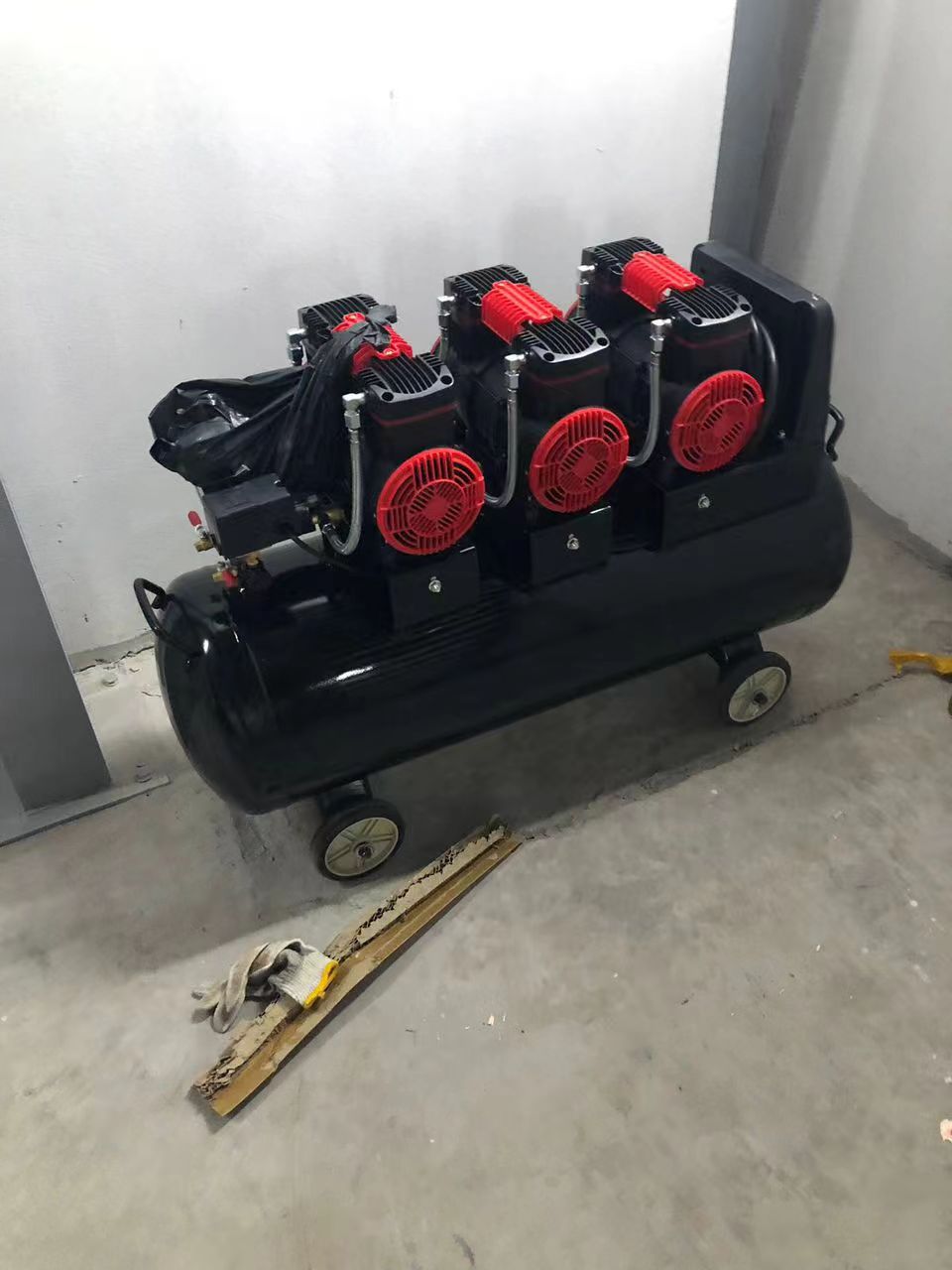
Before purchasing air equipment, collect the model-specific information and describe the machines that will operate at the same time. Then ask a suitable compressed-air provider to assess capacity, treatment and distribution for those conditions.
Request the requirement for the actual configuration
Ask the machine supplier to identify required operating pressure, air demand, connection details and air-quality conditions. Confirm how consumption is expressed, including the reference conditions and intended operating situation.
Do not compare figures with different definitions as though they describe the same flow. Nameplate compressor power is also not the same as usable delivered air at the required pressure. The equipment supplier and air-system provider should clarify their specifications before a selection is approved.
Identify simultaneous factory demand
List each machine and pneumatic accessory connected to the system. Describe the operating schedule and which items may run together. Include any planned expansion as a separate scenario rather than hiding it inside an unexplained allowance.
Review the paper cup production line guide when several production stages are involved. The forming machine's requirement is only one part of a shared utility plan.
Give the air-system provider a clear brief
| Information | Obtain or describe | Purpose |
|---|---|---|
| Machine requirement | Pressure, flow definition and air-quality conditions | Establish equipment demand |
| Connected equipment | Quantities and simultaneous operation | Assess combined consumption |
| Distribution route | Approximate distances, branches and connection locations | Review pressure loss and delivery |
| Operating pattern | Shifts, intermittent use and expected expansion | Assess the relevant duty conditions |
| Site conditions | Available power, placement and environment | Evaluate installation and treatment needs |
| Acceptance checks | Agreed operating conditions and measurement locations | Confirm supply performance at the machine |
Keep both suppliers involved when a specification is unclear. A proposal based only on compressor motor size leaves important questions about delivered air unresolved.
Confirm treatment and drainage requirements
Moisture, contamination and unsuitable supply conditions can affect pneumatic operation. Request the air-quality requirements for the selected machine and have the air-system provider specify the corresponding treatment and drainage arrangement.
Do not assume the same filter, dryer or lubrication arrangement suits every configuration. Follow the machine documentation and the treatment equipment's instructions. Identify accessible inspection and service points so the system can be maintained without obstructing machine operation.
Assess the distribution system as well as the compressor
Pipes, hoses, fittings and treatment components influence the pressure available at the machine during operation. A satisfactory reading near the compressor does not by itself establish stable supply at a distant connection.
Provide the proposed route and ask the installer to assess it against the required flow and applicable installation rules. Identify where supply will be observed during commissioning. Avoid specifying a universal pipe diameter without the distance, demand and layout information needed to justify it.
Coordinate air with the rest of the site
Use the machine voltage guide to document electrical conditions, and the installation and startup checklist to organize site readiness.
Compressor placement should consider ventilation, access and the connection route. Qualified personnel should install and assess the system according to equipment documentation and local requirements. Keep utility preparation responsibilities clear in the machine order and local work scope.
Verify supply under agreed operating conditions
During commissioning, check the air connection and treatment arrangement against the documentation. Have qualified personnel confirm the required supply settings and record observations while the intended connected equipment operates.
If pneumatic movement is unstable, document the symptoms and supply conditions before changing machine parameters. The issue may involve demand, distribution, leakage, treatment or a machine component. Follow the supplier's diagnostic sequence rather than increasing pressure without identifying the cause.
Frequently asked questions
Is there one compressor size for every paper cup machine?
No. Obtain the specific demand and assess the connected equipment and distribution system. Motor power alone does not define the delivered air available to the machine.
Can one compressor supply several machines?
It may be suitable if the system is designed for their simultaneous demand, required supply conditions and distribution losses. Ask the air-system provider to evaluate that operating case.
Should I use a fixed allowance for future expansion?
Describe the expansion scenario explicitly. The provider can then assess the additional demand rather than selecting equipment from an unexplained percentage.
What should be checked when pressure looks satisfactory but movement is unstable?
Record supply conditions at the relevant location during operation and follow the documentation. A static gauge reading alone does not resolve flow, treatment, distribution or component issues.
Request machine-specific utility information
Send the planned model, machine quantity, output requirement, connected equipment and factory conditions through the HANNAI inquiry page. Request the information your local air-system provider needs for a project-specific assessment.