A paper cup machine alarm threshold change should address an understood condition. Widening a limit until a nuisance alarm stops can conceal a process or sensor problem and make later diagnosis harder.
This guide concerns supplier-authorized process alarm review. It does not permit changes to protective or safety settings. Qualified personnel must classify the function and follow the machine-specific procedure before any setting is altered.
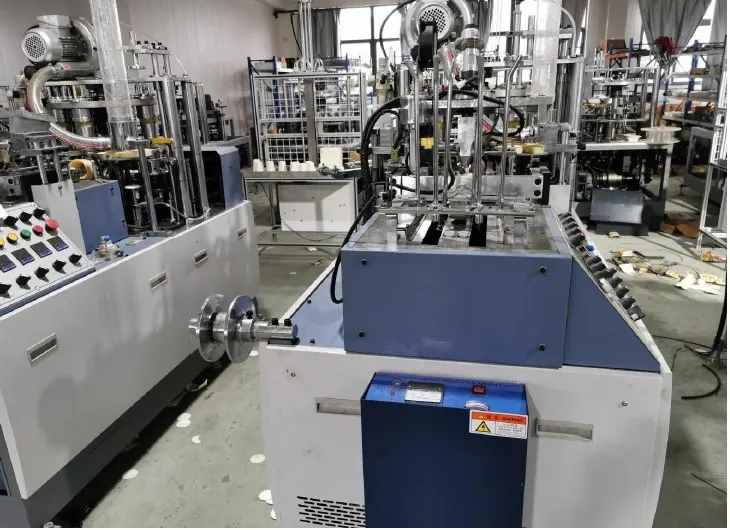
Decision worksheet
| Review question | Evidence | Reason to hold |
|---|---|---|
| What triggers the alarm? | Signal, units, condition and time behavior | Function or consequence is unclear |
| Is the signal trustworthy? | Approved measurement and diagnostic evidence | Sensor or scaling concern remains |
| Why change the setting? | Defined process need and supplier approval | Change only hides the symptom |
| Was response verified? | Controlled test and operator instruction | Expected response was not demonstrated |
Classify the alarm before discussing its limit
Identify the measured or calculated signal, displayed units, trigger condition and machine response. Establish whether the function is informational, process-related, equipment-protective or part of a safety arrangement. Refer unclear classifications to the builder and qualified personnel. A screen label alone does not establish the consequence of changing it.
Record the affected device and operating phase. An alarm that occurs during warm-up may have a different investigation path from one appearing during stable production. Do not assume the same threshold or delay is appropriate in both conditions. Obtain any applicable limits and permitted adjustments from the installed equipment documentation.
Review the signal and original symptom
Preserve the alarm evidence before clearing records. Compare relevant observations such as operating phase, material condition, indicated values and associated faults. Verify sensor identity, scaling and signal integrity through the approved diagnostic method. A misleading signal can produce repeated alarms even when the process itself is unchanged.
For example, intermittent temperature indication should prompt review of the measurement path by qualified personnel before a process-alarm band is widened. Record what supports or rules out each explanation. Avoid changing multiple thresholds, delays and process values together, because the result becomes difficult to interpret.
Write the proposed change as a controlled hypothesis
State the reason for the change, affected setting, expected outcome and possible adverse consequence. Record the current approved value and the supplier-authorized proposed value in the internal change record. This article intentionally supplies no universal numerical setting.
Define how the team will determine whether the alarm still detects the intended condition. A reduction in alarm frequency is only one observation; it does not prove that the detection function remains suitable. Include the operator response, product disposition and recovery rule where those are part of the process-alarm function.
Verify normal and abnormal responses safely
Use a builder-approved validation plan during a controlled window. Confirm expected indication and response under normal conditions and an approved challenge or simulation, where appropriate. Qualified personnel must select the method so the test does not create unsafe motion, heating or product risk. Never bypass protective functions for convenience.
Record both successful and unsuccessful test points, together with the equipment state and test limitations. If the system does not support a safe challenge, obtain an alternative verification method from the supplier. Label an untested response as unresolved rather than treating normal production alone as complete alarm validation.
Update the reaction plan and watch the result
After approval, update the configuration record, relevant operator instructions and recovery package where needed. Explain what the alarm means, what the operator should do and who handles escalation. A changed threshold with an unchanged reaction plan can create uncertainty during the next event.
Review subsequent alarm and quality observations under the agreed follow-up conditions. If the symptom remains or a different concern appears, reopen the investigation and use the approved recovery route. The completed record should connect the original problem, signal evidence, authorized change and demonstrated response rather than merely showing fewer alarms on a dashboard.
Related equipment and next checks
Review the HN-M100 Automatic Paper Cup Machine and the related recurring alarm investigation. The Engineering Notes archive connects these checks with wider machine planning.
Frequently asked questions
Can a nuisance alarm simply be disabled?
Refer it to the supplier and responsible personnel. Understand its function and consequence before any authorized change.
Can this method be used for safety settings?
Safety or protective functions require the applicable qualified assessment and machine-specific validation procedure.
What proves that a new process threshold is suitable?
Approved limits, trustworthy signal evidence and an appropriate controlled verification of intended response.
What should operators receive after release?
An updated alarm explanation, response instruction and escalation path linked to the accepted change.
Review the evidence with HANNAI
Send the alarm description, operating phase and recorded symptom without credentials. HANNAI can help identify the evidence required for a machine-specific review.