Paper cup machine energy planning should combine connected load, measured electricity, compressed air, accepted cup output, shift patterns and the complete production workflow.
Separate connected load from energy use
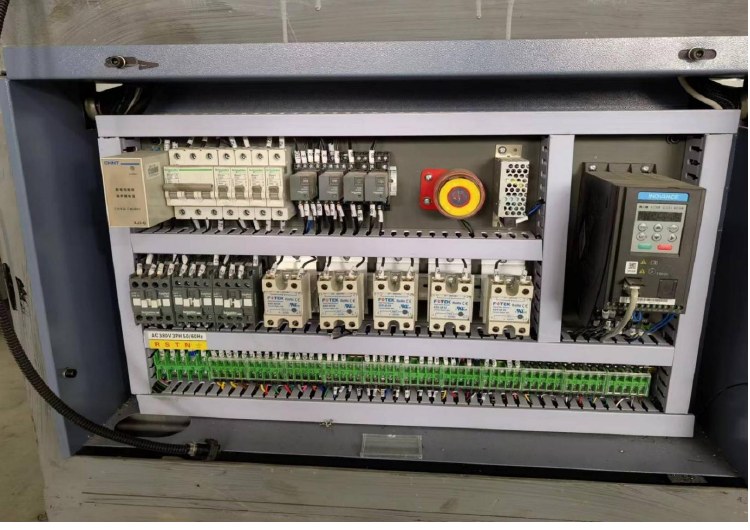
Connected load helps engineers size the electrical supply, protection and distribution. Energy use describes electricity consumed over time. The two values are related but not interchangeable: a machine does not necessarily draw every connected component at full load throughout a shift.
Request the final electrical information for the ordered configuration and have qualified local personnel review the factory supply. The paper cup machine voltage guide lists the site details buyers should confirm before ordering.
Build a complete utility worksheet
| Energy input | What to record | How to use it |
|---|---|---|
| Electrical configuration | Voltage, frequency, phase, connected load and protection | Factory electrical and installation planning |
| Measured electricity | kWh during startup, normal production, idle and shutdown periods | Operating baseline by machine state |
| Compressed air | Required pressure, flow, compressor load and air-loss observations | Total utility and shared-system planning |
| Production result | Formed cups, accepted cups, rejects and running minutes | Energy per accepted output |
| Supporting equipment | Printing, cutting, collection, packing and ventilation loads | Complete line consumption |
| Tariff and schedule | Local energy price, demand rules and shift timing | Factory operating-cost model |
Confirm the final machine configuration
Electrical requirements can change with machine model, sealing method, heating, controls and selected options. Do not use a generic internet value for purchasing or factory design. Ask for the electrical information tied to the final quotation and verify it again on the machine documentation and nameplate.
Include all machines that may run together. A paper cup forming machine may share the production area with printing, die cutting, air compressors, cup collection and packing equipment.
Measure energy by operating state
Useful measurements separate startup or warm-up, steady production, short idle periods, cleaning and shutdown. Record time and kWh for each state during representative shifts. This shows whether energy is concentrated in production or being consumed during avoidable waiting.
Measurements must be planned and performed by qualified personnel using suitable equipment. Do not open energized cabinets or add temporary meters without the required electrical authorization and safety procedure.
Calculate energy per accepted output
Total shift energy alone does not show how efficiently the factory produces saleable cups. Pair the meter record with accepted output after normal quality inspection. A practical comparison metric is:
Energy per 1,000 accepted cups = measured kWh ÷ accepted cups × 1,000
State the cup specification, material, machine, shift and inspection standard beside the result. Different cups and operating conditions should not be compared as if they were identical.
Include compressed-air energy
Compressed air is produced by electrical equipment even when the forming machine’s electricity meter does not capture that consumption. Record the machine’s required air conditions, the compressor configuration and whether several machines share the system.
Leaks, inappropriate pressure settings, long pipe runs and frequent compressor cycling can affect total utility cost. Review the air compressor requirements checklist when planning the complete load.
Connect energy to production stability
Rejected cups consume paper, electricity, air, operator time and packing capacity without creating saleable output. Track energy beside reject reasons, stops and material changes. Improving stable good output can reduce energy per accepted cup even when the machine’s instantaneous power does not change.
Use the production waste reduction guide to organize defect tracing, and keep material batch information with the energy record.
Review idle time and shift scheduling
Short stops can accumulate across a shift. Record whether equipment remains heated, pressurized or running while waiting for blanks, inspection, packing or operator response. Define approved shutdown or standby procedures with the equipment supplier instead of improvising them.
If the local tariff includes time-of-use or demand charges, compare production schedules with the utility rules. This is a factory planning decision and should be reviewed with local electrical and financial specialists.
Calculate the complete line, not one machine
A forming machine can look efficient while upstream or downstream equipment creates the real bottleneck. Measure blank preparation, forming, inspection, packing, compressed air and supporting environmental loads over the same production boundary.
Clearly state what is included in each calculation. Buyers planning connected equipment can use the paper cup production line page to map the workflow before building an energy model.
Use measured data for cost planning
Operating cost can be estimated after measured kWh, local tariffs, accepted output and shift patterns are available. Keep the assumptions visible and update them after commissioning. Avoid treating nameplate load multiplied by every scheduled hour as a final electricity bill.
Energy is only one cost input. Material, labour, maintenance, rejects, tooling, packing and working capital also belong in the wider paper cup plant cost plan.
Frequently asked questions
Can I calculate electricity cost from machine power alone?
Only as a rough planning boundary. A better estimate uses measured kWh by operating state, accepted output, shift patterns and the local tariff.
Should compressor electricity be included?
Yes when compressed air supports production. Allocate shared compressor energy using a documented method and keep the system boundary clear.
Why use accepted cups instead of formed cups?
Accepted cups represent saleable output. Rejects still consume utilities, so using good output exposes the energy effect of quality losses.
What information should I request before ordering?
Request the final electrical configuration, connected load, voltage, frequency, phase, air requirements and supporting-equipment scope for the quoted machine.
Send your cup range, output target, factory electrical supply, air plan and supporting equipment through our inquiry page. HANNAI can provide configuration information for the project discussion.