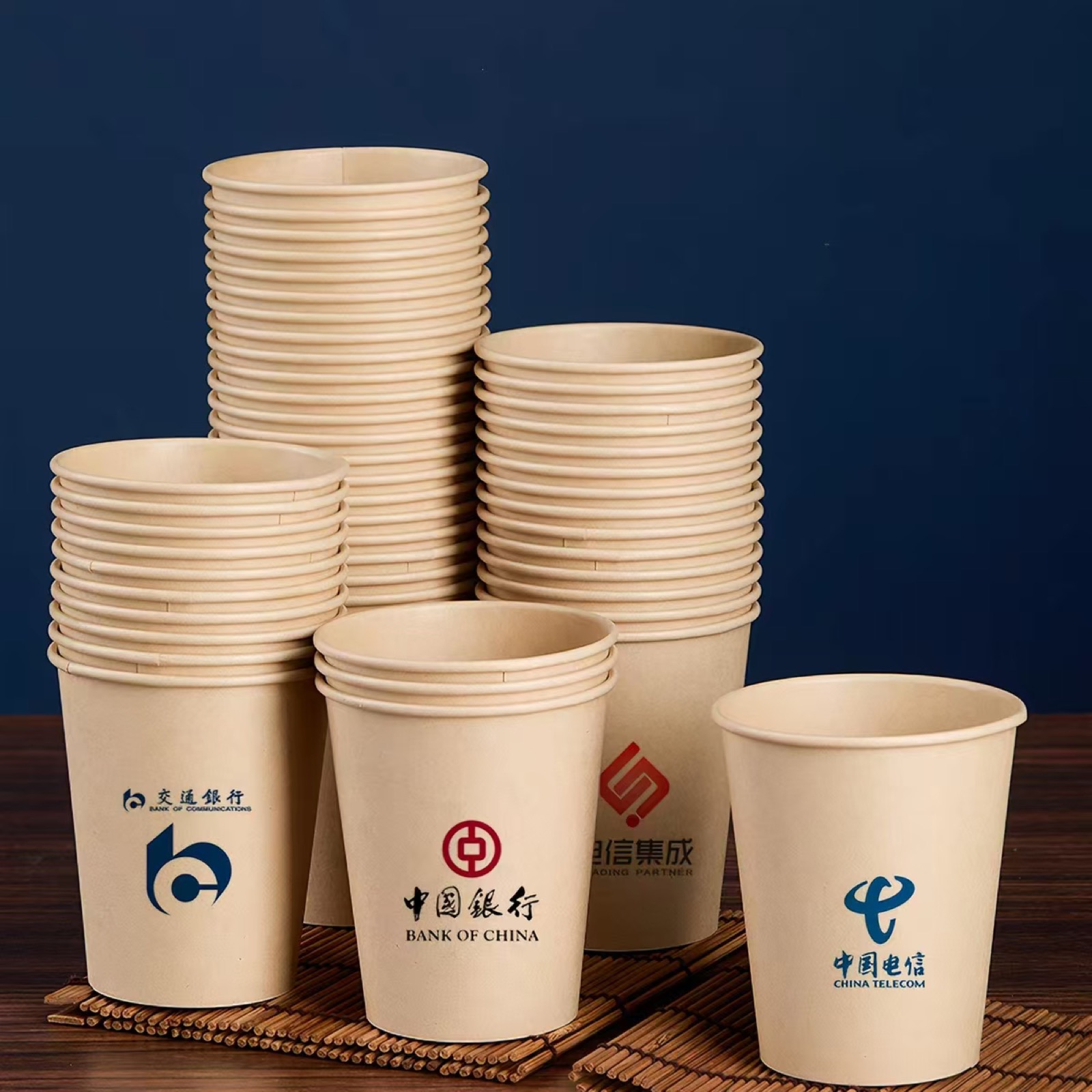
Paper cup odor inspection is a screening and investigation task that requires controlled handling. An unusual observation in a delivery carton, an empty cup and a cup prepared for intended use may represent different conditions. Record what was observed without immediately assigning it to paper, ink, coating or the forming machine. Traceable comparison samples give the responsible quality team a better starting point than an unsupported statement that a lot is safe or defective.
Define the scope of the sensory review
Identify the cup drawing, artwork, material and production lots, packaging and storage history available to the team. State whether the observation concerns the carton, the empty cup or another condition defined by an approved method. Use trained personnel and the site's procedure for any formal sensory assessment.
Do not taste unknown liquids or expose personnel to a strong or unexplained emission. Escalate the concern through the responsible quality and workplace procedure. A casual odor observation cannot establish chemical identity or determine food-contact compliance; those questions need appropriate expertise and evidence.
Keep comparison samples clean and identifiable
Retain affected cups, an approved reference and relevant packaging samples according to the investigation plan. Record when and where each sample was collected. Avoid perfume, cleaning-product residues or unsuitable storage containers that could alter the sample before assessment.
| Comparison subject | Information to preserve | Investigation question |
|---|---|---|
| Cup as received | Lot and collection location | Was the concern present before internal handling? |
| Approved reference | Identity and storage condition | Is the comparison itself suitable? |
| Packaging | Carton or inner-pack reference | Does the observation differ between cup and packaging? |
| Production stage | Printing, forming or packing sample | Where was the condition first observed? |
| Specified use test | Approved method and preparation | Does the observation repeat under the agreed condition? |
The material incoming inspection guide helps connect the sample with paper and coating identity. For a printed product, retain the artwork and print-lot reference as well. An apparent association with a changed supplier is a reason to investigate, not a confirmed causal conclusion.
Compare stages before choosing a corrective action
Ask whether the same observation is present in incoming material, printed blanks, freshly formed cups and packed samples. Use only the preparation and assessment permitted by the approved method. Record findings consistently; do not merge different descriptions into one result simply because all concern the same order.
Review storage and handling records for both the product and retained samples. If the comparison sample was stored differently, describe that limitation. A difference between two samples cannot establish a production cause when their histories are unknown or incomparable.
Keep the investigation coordinated across material, printing, forming and packing teams. Do not introduce fragrances, additional chemicals or improvised heating to mask an observation. Machine cleaning or maintenance should follow approved materials and procedures, with qualified personnel controlling any intervention.
Contain the lot and obtain the right review
Record the affected lot boundary and hold product under the site's quality procedure until disposition is authorized. Keep sensory observations separate from laboratory results, supplier declarations and regulatory review. Each provides a different kind of evidence, and one should not silently substitute for another.
Where expert or laboratory assessment is needed, agree on sample quantity, handling and test scope with that provider before sending specimens. Do not promise that one unspecified test will identify every potential cause. Preserve the original records and the decision made by the responsible person.
When discussing a line with the HANNAI equipment team, include material and intended-use requirements. Send an inquiry with the drawing, supply specifications and approved inspection scope so the trial can support the actual quality plan.
Frequently asked questions
Can an odor check certify food-contact compliance?
No. It is a sensory observation or screening result. Compliance requires the applicable documentation and assessment for the actual product and market.
Should affected cups be mixed with reference samples?
Keep samples separately identified and handle them as directed by the investigation plan. Mixing or unsuitable storage can compromise comparison.
Does an observation in the carton prove the cup is responsible?
No. Preserve the cup and packaging references and compare them under the approved method before assigning a source.
What should accompany a supplier complaint?
Provide lot identity, observation wording, collection time and location, storage history, retained samples and any approved-method results, with uncertainty clearly stated.