Paper and coating incoming inspection controls supplier identity, material documents, dimensions, surface condition, traceability and release before cup forming begins.
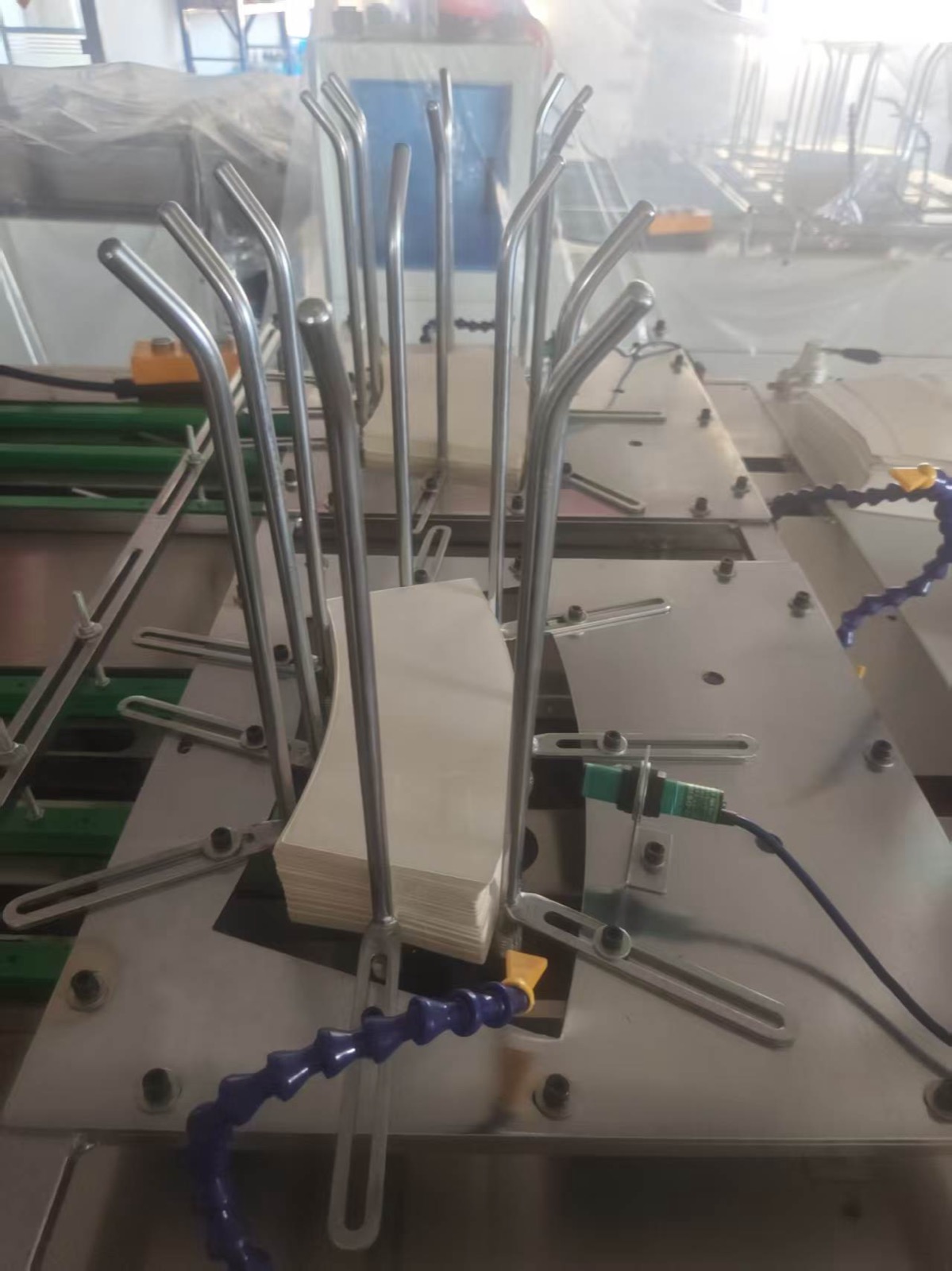
Inspect material before it becomes a machine problem
Paper, coating, fan blanks and bottom stock enter several forming steps. Incorrect identity, damaged edges, inconsistent dimensions, contamination or unsuitable storage history can appear later as feeding, sealing, print, geometry or leakage problems.
An incoming check should decide whether a lot is accepted, held, conditionally released or rejected before it reaches production. It should not become a paperwork exercise performed after the material has already been mixed into the line.
Build an incoming inspection and release table
| Control point | Evidence to inspect | Release question |
|---|---|---|
| Supplier and lot | Approved supplier, product code, batch and delivery documents | Is the material identity traceable? |
| Specification | Paper grade, coating structure, GSM, thickness and dimensions | Does the lot match the current approved requirement? |
| Packaging | Labels, wrapping, pallet or roll protection and transport damage | Was the material protected and identified? |
| Visible condition | Moisture evidence, contamination, odor, dirt, deformation or edge damage | Is abnormal evidence present? |
| Surface and coating | Correct side, continuity, defects and project-defined test evidence | Can the material proceed to a controlled trial? |
| Sampling | Lot locations, sample quantity, readings and retained reference | Does the sample represent the delivered lot? |
| Status control | Accepted, held or rejected label and storage location | Can unapproved material reach production? |
Match the delivery to the approved specification
Compare the purchase description, supplier label and delivery paperwork with the controlled material specification. Confirm the paper grade, coating type and side, GSM, thickness, roll or sheet dimensions, fan-blank code and bottom-paper requirement that apply to the lot.
The paper material checklist explains which details should be confirmed before selecting or configuring a cup machine. Incoming inspection verifies that the delivered material is the same approved combination.
Review documents without assuming they prove the lot
Check the supplier’s batch documents, declarations or test records required by the purchasing specification and destination market. Confirm document identity and revision rather than accepting a generic certificate that is not linked to the delivery.
Documents do not replace physical inspection or a forming trial. Food-contact and regulatory acceptance must follow the buyer’s applicable legal, customer and supplier requirements; this guide does not create a universal compliance claim.
Inspect packaging and visible condition
Examine labels, wrapping, pallets, roll ends, sheet edges and protected surfaces before unpacking everything. Look for water or condensation evidence, torn packaging, dirt, pests, foreign odor, crushing, telescoping, curl, loose winding or other conditions defined by the factory.
Photograph delivery damage before moving or rewrapping the lot. The raw material storage and handling guide helps preserve identity and condition after acceptance.
Measure the specified material features
Use the approved sampling method and suitable tools for dimensions, GSM, thickness or other specified features. Record actual readings, sample location, tool identity and lot number. Do not invent one tolerance for every paper or coating structure.
Paper can vary across a roll, pallet or delivery. Select samples from the locations required by the risk-based plan instead of measuring only the easiest outside piece. Protect samples from contamination and mix-ups during testing.
Check coating side and surface evidence
Confirm which surface is coated and how it should be oriented in the fan blank or bottom stock. Inspect for visible discontinuity, scratches, blocking, transfer, spots or other defined defects. Use only the approved method when a coating-related functional check is required.
A visual surface check cannot prove all barrier or sealing performance. A representative forming and product trial may still be needed with the intended machine, tooling and sealing configuration.
Control the handoff to production
Label accepted, held and rejected material clearly and store each status so it cannot be selected accidentally. Link the lot number to fan-blank preparation, bottom-paper preparation and the finished production record.
The fan blank feeding guide and bottom roll preparation guide continue this traceability at the machine.
Contain differences and approve changes formally
When identity, readings, documents or visible condition do not match, hold the affected lot and prevent use. Preserve samples, labels, photos and supplier communication. Define who can accept a concession and which product or quantity it covers.
A new supplier, paper structure, coating or specification should enter the production change control process. Similar commercial descriptions do not prove equivalent forming performance.
Frequently asked questions
Can supplier documents replace incoming physical inspection?
Not usually. Documents confirm specified information, while physical checks verify identity, condition and the sampled features required by the quality plan.
Should every delivery use the same sampling quantity?
No. Sampling should reflect lot size, supplier performance, material risk, customer requirements and the factory’s controlled procedure.
Does acceptable GSM prove the coating is correct?
No. GSM is only one feature. Coating identity, side, surface condition, documents and required functional evidence must be reviewed separately.
When is a production trial needed?
Use a trial when required by the approved specification, a relevant material or supplier change, uncertain evidence or the project’s release plan.
Send your cup drawing or sample, paper specification, coating structure, planned sizes, target output and destination through our inquiry page. HANNAI can discuss machine configuration and trial information for the confirmed material.