Paper cup bottom-roll preparation connects material slitting with stable machine feeding. A controlled process protects roll identity, edge condition, feed continuity and first-good cup approval.
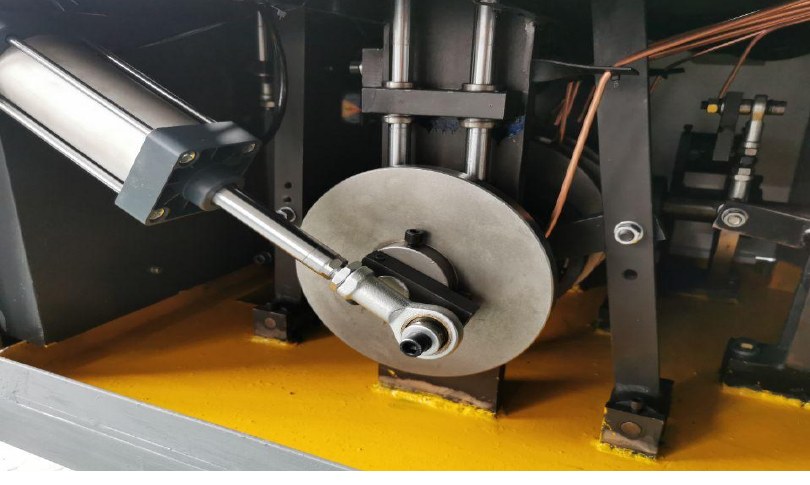
Control the handoff from slitting to forming
Bottom paper enters a paper cup machine as a prepared roll matched to the approved cup, material and machine configuration. Unclear identity, damaged edges, unsuitable winding or poor handling can disrupt feeding and cup quality.
Treat slitting, inspection, staging and loading as one controlled handoff. Required roll dimensions, winding and setup must come from the approved product specification and machine documentation, never another project.
Use one preparation and release table
| Control point | Evidence to review | Release decision |
|---|---|---|
| Material identity | Approved material, coating, batch and production order | Correct material is assigned to the correct cup |
| Slitting instruction | Controlled width, winding and roll-format reference | Current approved instruction was used |
| Roll condition | Edges, surface, shape, core and visible contamination | No unexplained damage enters production |
| Label and status | Roll identity, batch, quantity and inspection status | Operators can trace and distinguish the roll |
| Machine preparation | Correct feed path, guides and approved setup procedure | Authorized pre-start checks are complete |
| First-good result | Bottom formation, cup condition and inspection record | Normal production can be released |
Convert the cup specification into a slitting instruction
The slitting team needs a controlled instruction linked to the finished cup, bottom-paper specification and assigned machine. It should identify the source roll, required finished-roll format, winding or orientation requirement where applicable, labeling method and responsible inspection. Any dimensions and limits should be those approved for the actual project.
When the cup, paper, mould or supplier changes, confirm whether the instruction remains valid. The paper material checklist explains the information that should be confirmed before machine selection, while the production instruction turns that approved information into a repeatable shop-floor handoff.
Inspect the slit roll before production release
Check the roll against its instruction and label before it is moved to the machine. Inspect visible edge damage, telescoping, deformation, loose winding, contamination, moisture exposure, unsuitable joints or other conditions defined by the factory. Record findings consistently rather than accepting a roll only because it can be mounted.
A visual check cannot prove every material property, but it can stop obvious damage from entering production. Segregate questionable rolls; do not rework or relabel them without an approved method and record.
Preserve identity during staging and movement
Keep each prepared roll linked to its material batch, cup order and release status. If one source creates several finished rolls, preserve that relationship for later investigation.
Protect roll edges and surfaces with suitable handling and staging. Avoid placing material on a damp or contaminated floor, mixing released and held rolls, or leaving unidentified leftovers beside the machine. See the raw material storage and handling guide for warehouse and line-side status controls.
Prepare the machine before loading material
Confirm that the machine, mould and production order match the prepared roll. Complete cleaning, feed-area inspection and authorized pre-start checks according to the manufacturer’s documentation. Remove remnants from the previous order and verify that guides, sensors and related parts are in their approved condition.
Trained personnel must load and thread material with the machine-specific procedure and suitable handling method. Follow site isolation rules; never bypass a guard or reach into a moving feed path.
Feed and replenish without losing control
During initial feeding, observe tracking, tension behavior, edge contact and material movement only from approved operating positions. If the roll wanders, damages its edge, feeds intermittently or produces debris, stop under the authorized procedure and investigate the material, setup and machine condition together.
Plan replenishment before the active roll is exhausted, but do not stage uncontrolled excess material. Identify partial rolls and record their remaining status after removal. Operators should follow the operator training checklist so normal adjustments, stop conditions and escalation limits are understood.
Approve the first good cups
After a new bottom roll, material batch or relevant setup change, produce a controlled first sample and inspect the items defined for that cup. Typical observations may include bottom-paper position, bottom formation, seal appearance, cup shape and the approved leakage or functional check. Use the factory’s actual specification rather than an informal visual opinion.
Link the result to the roll identity, machine, mould, time and responsible approver. If the first sample fails, contain affected output and separate whether the evidence points to the roll, slitting, feed setup, forming condition or another cause. The sample approval checklist provides the wider first-good workflow.
Record abnormalities and improve the preparation plan
Track rolls that cause repeated feed stops, edge damage, bottom defects, excessive leftovers or unexplained adjustments. Record evidence with the production order instead of using a general note such as “material problem.” The defect classification and containment guide helps keep suspect cups and material controlled during investigation.
Review findings with purchasing, slitting, warehouse, production, quality and maintenance. A recurring symptom may require a corrected instruction, better handling, supplier discussion, machine inspection or operator retraining. Change only the confirmed control and verify the result with another first-good check.
Frequently asked questions
Can one bottom-paper roll be used for several cup sizes?
Only when the approved cup, mould, material and machine documentation confirm compatibility. Similar-looking cups do not prove that the same roll format is suitable.
What should be checked after bottom-paper slitting?
Confirm identity, approved roll format, winding requirement where applicable, label, edge and surface condition, core condition and release status.
Should a partial roll return to normal material stock?
Only through the factory’s controlled return process. Preserve its identity, remaining quantity, condition, opened status and approved use before storage or reissue.
Does a bottom defect always mean the roll is wrong?
No. Slitting, handling, feed setup, tooling, forming conditions and machine condition can create similar evidence. Contain output and investigate before changing several variables.
Send your cup drawing or sample, paper specification, target output, production scope and destination through our inquiry page. HANNAI can discuss the bottom-paper preparation requirements with the proposed machine configuration.