Paper plate and box machine ejection and stacking troubleshooting should establish whether the product leaves forming correctly and is damaged during release, transfer or accumulation. A formed plate or carton can stick because of material, heat, tooling, static, vacuum or incomplete geometry. Increasing ejection force may create dents, cracks or uncontrolled product movement without correcting the first cause.
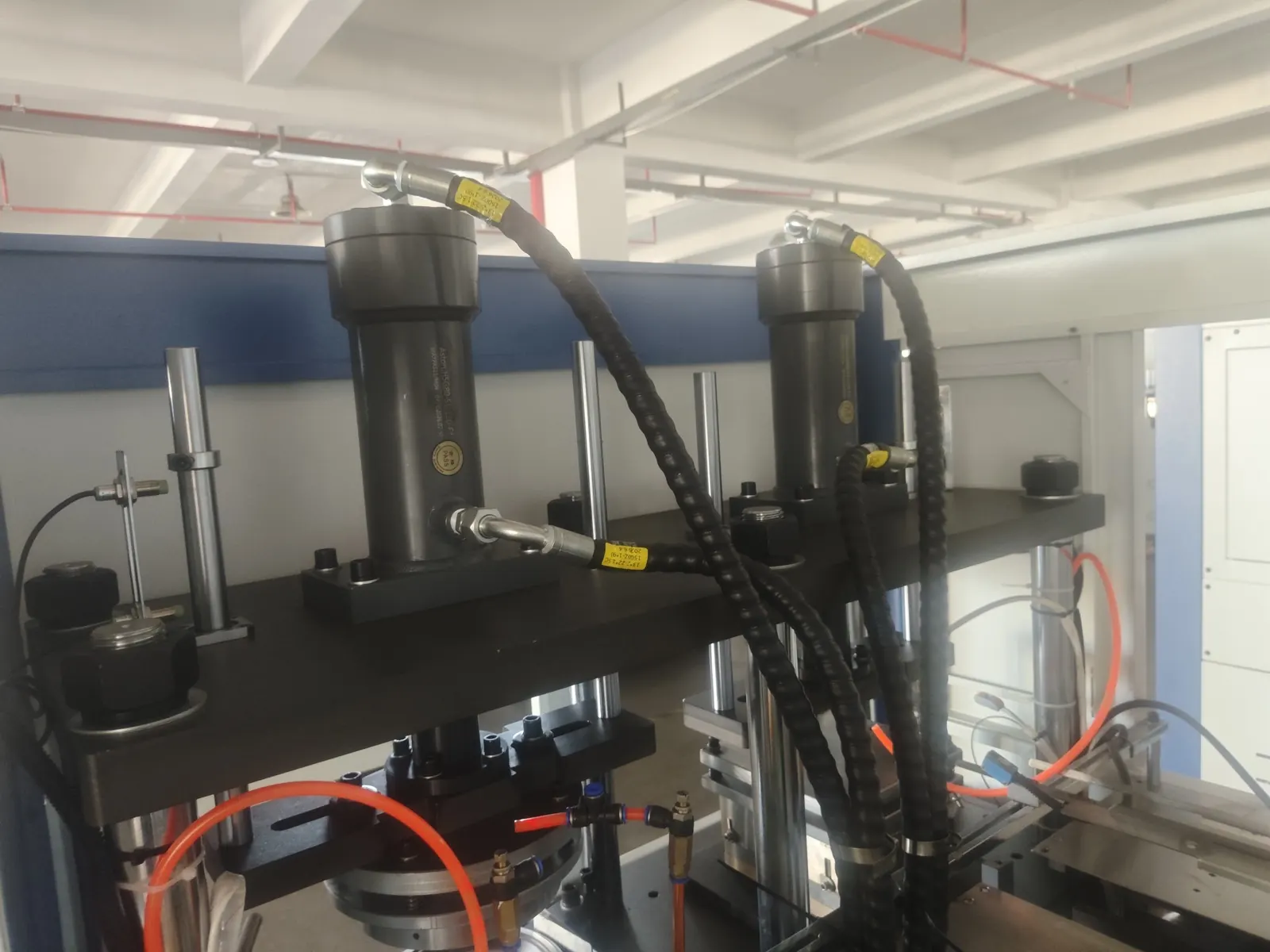
Define the finished-product handoff
Review the delivered process to identify final forming tools, ejectors, air or vacuum devices where fitted, guides, chutes, belts, counters and stack supports. Define where the machine’s responsibility ends and manual or automatic packing begins.
The tooling and pressure troubleshooting guide covers product formation. This guide begins with the formed product at its release condition and follows it to the controlled stack or handoff.
Collect cycle-ordered evidence
Label consecutive products by cycle where the safe sampling method permits. Inspect one immediately after forming, one after ejection and the resulting stack. Record product drawing, material, coating, blank lot, tooling, speed stage, runtime and recent cleaning or changeover.
Separate sticking, late release, double ejection, drop, rotation, edge catch, product collision, stack lean, nesting too deeply or surface marking. Note whether the defect keeps the same orientation relative to the blank, tool or discharge path.
Use an ejection evidence table
| Observed pattern | Evidence to compare | Diagnostic direction |
|---|---|---|
| Product correct before ejection | Pre-release sample, ejector contact, guide path and landing | Focus on release and downstream handling |
| Product sticks at one orientation | Tooling surface, coating, geometry and mapped contact point | Review local retention before ejection force |
| Two products release together | Cycle history, retained product, sensor state and release completion | Find the missed previous ejection |
| Stack leans progressively | Product dimensions, orientation, guide support and landing position | Separate cumulative product variation from stacker setup |
| Fault increases as tooling warms | Runtime, material, surface condition and process evidence | Review changing forming or release interaction |
Verify product geometry before release
Inspect dimensions, shape, folds or rim, surface and stability according to the product. A warped plate, open box wall or damaged edge may catch a guide even when the ejection device is correct. Compare accepted flat blanks and formed samples.
If the product is already defective in the tool, correct material, blank feeding or forming first. Use the blank separation guide when two or skewed blanks enter the cycle. Do not widen the outlet to pass an uncontrolled product.
Inspect ejection components under isolation
Stop through the approved sequence, apply lockout and verify isolation. Control pneumatic, spring, vacuum, thermal and gravity energy before entering the tool area. A stopped cylinder or platen can still move when stored pressure is released incorrectly.
Inspect accessible ejector pins or plates, air passages, suction devices, cylinders, linkages, guides, fasteners and contact surfaces. Look for residue, coating transfer, paper dust, bent parts, wear, uneven height, restricted stroke or a product trapped from an earlier cycle. Photograph references before adjustment.
Check timing and release energy
Confirm actuator completion and sensor indication through the approved diagnostic method. A static air-pressure reading does not prove the ejector moves at the right point or with sufficient stable flow. Mechanical release may depend on cam, spring or linkage position instead.
Use only the supplier’s timing, clearance and force references. More air, vacuum or mechanical travel can damage the product and tooling. If release is late, determine whether the product is retained, the actuator is slow or the control command is delayed before changing any setting.
Evaluate stacker and accumulation behavior
Confirm guides, supports, stops and stack-count trigger for the supplied configuration. Observe from outside guards whether each product lands in the same orientation and height. Check whether air movement, static or downstream removal disturbs the stack.
Use the approved product count and stacking method. Record lean, nesting depth, corner alignment, surface marks and removal condition. A stack can fail because individual pieces vary even when each one looks acceptable in isolation.
Prove restoration through packing
After correction, account for tools, restore guards and use the documented startup. Run consecutive labeled products at controlled stages. Inspect pre-release condition, ejection, transfer and stack formation without selecting only good examples.
Then perform the relevant packing or handling trial. Record material, tooling, intervention, sequence evidence, stack result and first-off approval. Include a defined observation period and keep rejected pieces in cycle order so the team can distinguish a stable recovery from an isolated good sample. Release production only when the product remains acceptable through the agreed handoff.
Frequently asked questions
Should ejection air be increased when products stick?
Not automatically. Product geometry, tooling contamination, incomplete forming, vacuum, timing and mechanical restriction may be the first cause.
Does a leaning stack prove the stacker is misaligned?
No. Product dimensions, curl, nesting and changing landing orientation can create cumulative lean. Compare individual and stacked samples.
Can a stuck product be pulled out while the machine runs?
No. Stop, isolate and control stored energy before entering the tool or discharge area. Preserve its position as evidence where safe.
What information helps remote troubleshooting?
Provide product and blank drawings, cycle-ordered samples, safe release video, isolated component photos, actuator or sensor evidence and stack measurements.
Send the machine model, product and blank drawings, labeled samples, tooling and ejector photos under isolation, sequence video and stack record through our inquiry page. HANNAI can review the forming-to-handoff boundary.