Paper plate and paper box equipment must be selected from one clearly defined finished product, material, blank, forming method, output target and factory workflow.
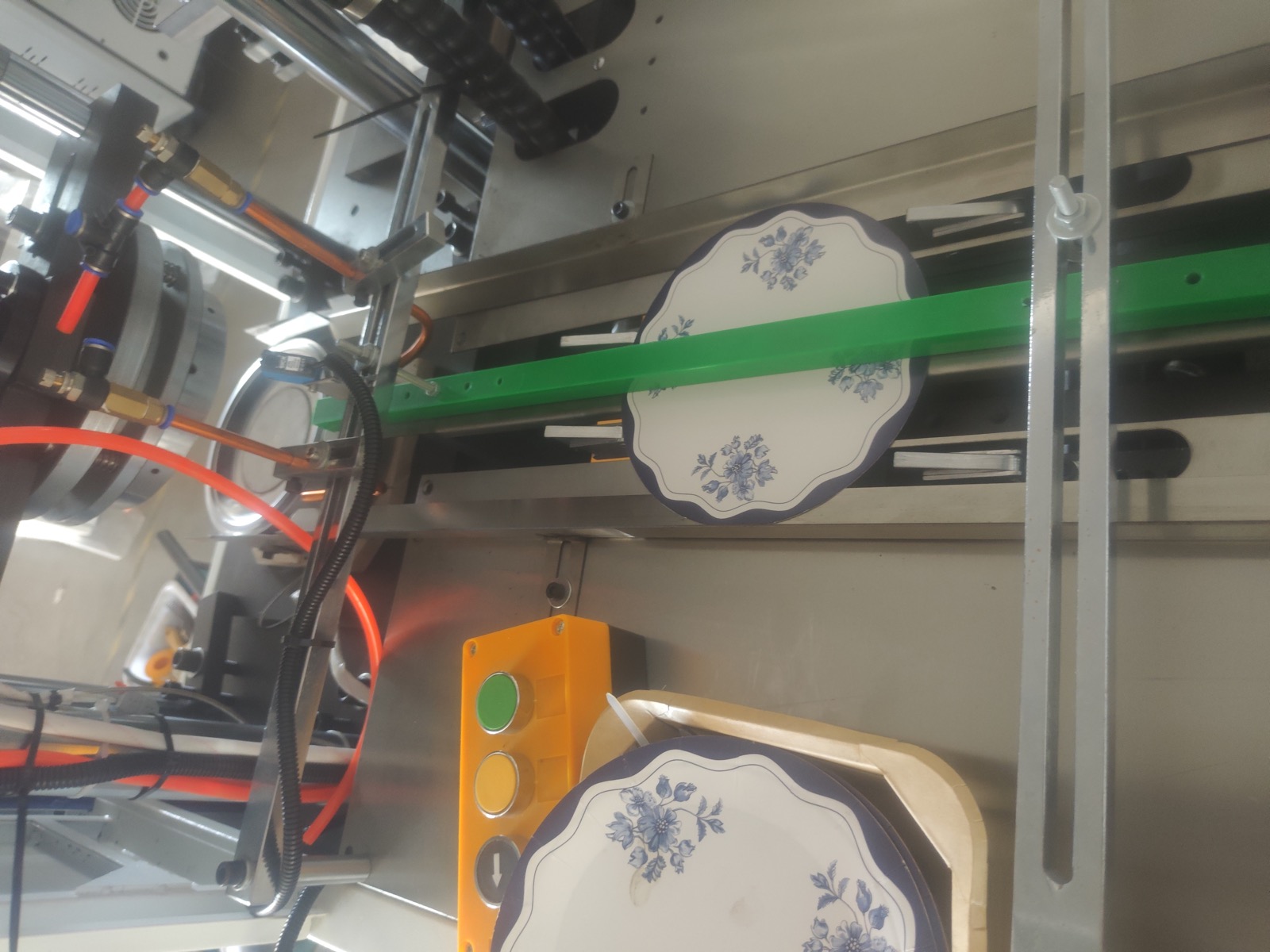
Do not treat plates, trays and boxes as one machine category
Paper plates, pressed trays and folded food boxes have different geometries and forming routes. A project should begin with one approved product rather than a broad request for a machine that makes every type of food package.
Prepare the finished sample, dimensions, material and expected use. HANNAI’s paper plate and paper box machine page uses sample-based configuration because the correct equipment depends on the actual product.
Create a product definition sheet
| Definition item | Details to provide | Decision supported |
|---|---|---|
| Product category | Plate, tray, clamshell, folded box or other container | Suitable forming process and machine category |
| Geometry | Finished sample, drawing, dimensions, depth and edge profile | Tooling and finished-shape confirmation |
| Material | Paper or board type, GSM, coating, thickness and grain | Feeding and forming suitability |
| Blank | Flat sample, die line, crease and printed registration | Upstream cutting and quality control |
| Application | Food type, serving condition, filling and closing method | Material and acceptance requirements |
| Production plan | Demand by SKU, batch size, shifts and packing format | Capacity, changeovers and downstream work |
Separate pressed products from folded cartons
A plate or tray may be formed by pressing a prepared blank into a shaped tool. A folded carton may require creasing, erecting, locking or adhesive sealing. The sample determines which route should be discussed.
If the target is a burger box, fries box, hot-dog box or food pail, compare a dedicated carton erecting machine. Do not assume the same tooling or process used for a plate will form a folded box.
Confirm material for the intended food application
Provide the exact paperboard, coated paper or packaging paper planned for production. Include GSM, thickness, coating, print finish, grain direction and the material supplier’s food-contact documentation where required by the destination market.
Hot, cold, oily or moist foods can create different material and performance requirements. Machine selection does not replace material qualification. The buyer should agree on finished-product tests with material, equipment and packaging specialists.
Control blank quality before forming
Blank dimensions, cut edges, crease position and moisture condition influence feeding and finished shape. Printed products also need registration control so artwork remains aligned after forming. Establish an incoming inspection for blanks whether they are purchased or made in-house.
Factories planning internal blank preparation should compare product dimensions and working width with the appropriate die cutting machine. The die line should be approved before ordering production tooling.
Define tooling scope for every SKU
One general product name can include many diameters, depths, corners and edge structures. List each intended SKU and mark the launch priority. Ask which mould or tooling set is included, which parts change and how a new size is approved.
Frequent changes can reduce available output. Record change time, cleaning, material replacement, setup and first-piece inspection. Label and store tooling so that matched components are not mixed.
Estimate capacity from product mix
Do not select equipment only from a maximum cycle rate. Calculate saleable output using demand by SKU, shift hours, changeovers, material availability, rejects, inspection and packing. A factory with many short branded orders may need a different plan from one producing a single standard plate.
Identify the likely bottleneck across blank preparation, forming, inspection and packing. Additional forming speed will not improve dispatch volume if blanks or cartons cannot keep pace.
Build the calculation from a representative production week and keep assumptions visible. This makes it easier to compare the first machine, later tooling additions and any supporting equipment without treating every possible product as immediate capacity.
Plan safe material and finished-goods flow
The layout should separate raw board or blanks, forming, inspection, packing, rejected material and finished cartons. Allow access for operators, tooling movement, cleaning and maintenance. Protect food-packaging materials and finished products from moisture, dust and damage according to the factory’s quality system.
If the project expands from an existing cup factory, check whether utilities, storage and operators are genuinely available. The factory manpower planning guide provides a useful framework for assigning production, quality and maintenance responsibilities.
Use the target product for acceptance testing
Agree on the sample, material batch, tooling, machine settings, test duration and inspection method before testing. Record formed quantity, accepted products, rejects, stops and corrective adjustments.
Inspect dimensions, shape, edge or fold condition, surface appearance, stability, stacking and compatibility with the intended food-packing process. When several products are ordered, test each one included in the accepted scope.
Frequently asked questions
Can one machine make paper plates, trays and boxes?
Do not assume so. These products can require different forming routes, machine configurations and tooling. Send each sample for a separate suitability review.
What information is required for quotation?
Send the finished product and blank, full dimensions, material and GSM, coating, target output, planned SKUs, voltage and destination country.
Should a new factory buy die-cutting equipment immediately?
Compare local blank supply, order volume, design variety, lead time, staffing and investment before adding in-house cutting. Stable purchased blanks can simplify an early-stage project.
How should several product sizes be planned?
Rank them by commercial priority, confirm tooling for each size, calculate changeover impact and approve every product with its intended material.
Send your finished sample, blank drawing, material, dimensions, output target and factory details through our inquiry page. HANNAI can help identify the correct equipment and workflow discussion.