Ejection or stripping rubber helps separate cut material from a rotary die and control the waste or finished blank after the nip. Wrong hardness, height, profile, adhesive or placement can cause incomplete release, marking, web disturbance and premature blade or rubber wear.
Rubber design belongs to the die, material and cutting application. This guide organizes replacement evidence without prescribing a universal profile. Keep hands away from cutting edges, isolate the machine and use the die supplier’s tooling drawing and handling procedure.
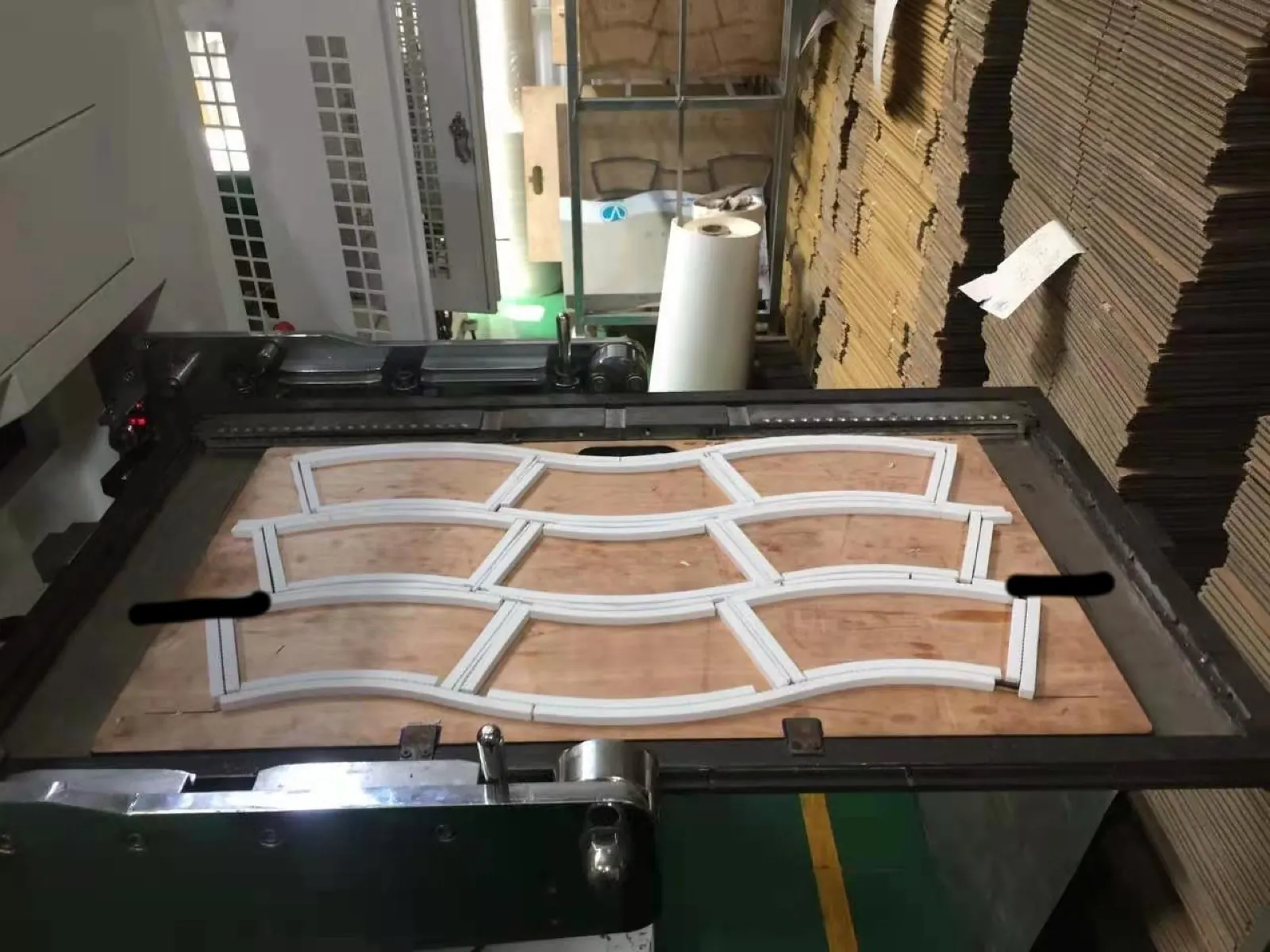
Decision matrix
| Selection factor | Evidence | Acceptance |
|---|---|---|
| Application | Material, cut type, waste/blank path and speed range | Defines the release task |
| Rubber | Supplier code, hardness family, height/profile and adhesive | Matches approved tooling design |
| Placement | Distance from rule, joints, cavities and direction | Supports release without distorting cut |
| Condition | Compression set, cuts, swelling, lifting and contamination | Identifies replacement cause |
| Trial | Cut completeness, marks, release and web stability | Approves first production samples |
Map the release failure
Collect samples and mark machine direction, cross-web position and repeat. Determine whether waste stays in the cavity, the finished blank follows the die, the web lifts or the surface is marked. A cut-quality problem can look like poor ejection, so inspect blade contact and support surface too.
Record material grade, thickness, coating, die ID, speed and recent rubber work. If the fault repeats at one die position, inspect local rubber and blade geometry; if it spans the web, review tension, impression and material.
Inspect rubber condition and placement
Under safe die handling, look for compression set, cracking, missing sections, swollen rubber, adhesive lift, contamination and joints entering critical areas. Photograph height relationship and distance to cutting rules before removal.
Do not pull rubber across a cutting edge or pry against the die surface. Identify whether different profiles are intentionally used for waste, corners or narrow features. Replacing every area with one strip can remove the designed release pattern.
Approve replacement material
Use the tooling supplier code or approved specification for composition, hardness family, height, profile, adhesive and environmental compatibility. Storage age and compression history can matter. Similar color does not prove identical rubber.
Maxcess provides application-specific rotary die and support-tooling resources; final design must follow the actual die. Do not stack layers or add uncontrolled adhesive to obtain extra height. Clean the die with the approved method.
Install to the controlled layout
Transfer the supplier layout, maintaining direction, spacing, joints and clearance from blade edges. Cut ends cleanly without damaging the die. Press adhesive uniformly and observe any required preparation or cure condition.
Rotate and inspect by the safe tooling procedure before machine installation. Confirm no strip can detach into the nip, contact a sensor or interfere with mounting. Preserve tool identification and protection during handling.
Validate cut and release together
Begin with the approved low-risk setup and minimum controlled impression method. Inspect cut completeness, liner/anvil evidence, blank/waste release, surface marks and web tracking. Do not increase impression to compensate for rubber that is too high or misplaced.
Map first cuts across width and repeat, then increase speed in stages. Send HANNAI the die drawing, rubber codes, placement photos and labeled samples. Use the linked stripping guide if release remains unstable outside the tooling area.
Technical references
- Maxcess rotary die support resources — general component guidance; the installed machine documentation remains controlling.
Related machine and guide
Review the 850 roll die cutting machine for machine context, then use the waste stripping and blank delivery guide for the adjacent check. Browse all Buyer Guides when building a wider project checklist.
Frequently asked questions
Can rubber be selected by color alone?
No. Composition, hardness, profile, height and adhesive must be verified.
Should one rubber profile be used across the whole die?
Not unless the approved tooling layout specifies it.
Can more impression solve poor ejection?
It can damage tooling; verify cutting and rubber geometry separately.
What samples are useful?
Keep mapped cuts showing machine direction, cross-web position and repeat.
Review your machine configuration with HANNAI
Send the machine model, project reference, component labels, drawings, photos and a description of the required result. We will clarify which details must be confirmed before a quotation or technical recommendation.