A flexible die must seat against a clean magnetic cylinder without trapped debris, lifted edges or incorrect orientation. Small contamination under the plate can change cutting impression and damage the die or supporting surface.
The die and cylinder are precision tools with sharp edges and strong magnetic attraction. Use approved gloves, lifting/handling tools and lockout controls. The supplier drawing and cylinder procedure determine orientation, registration and allowable impression.
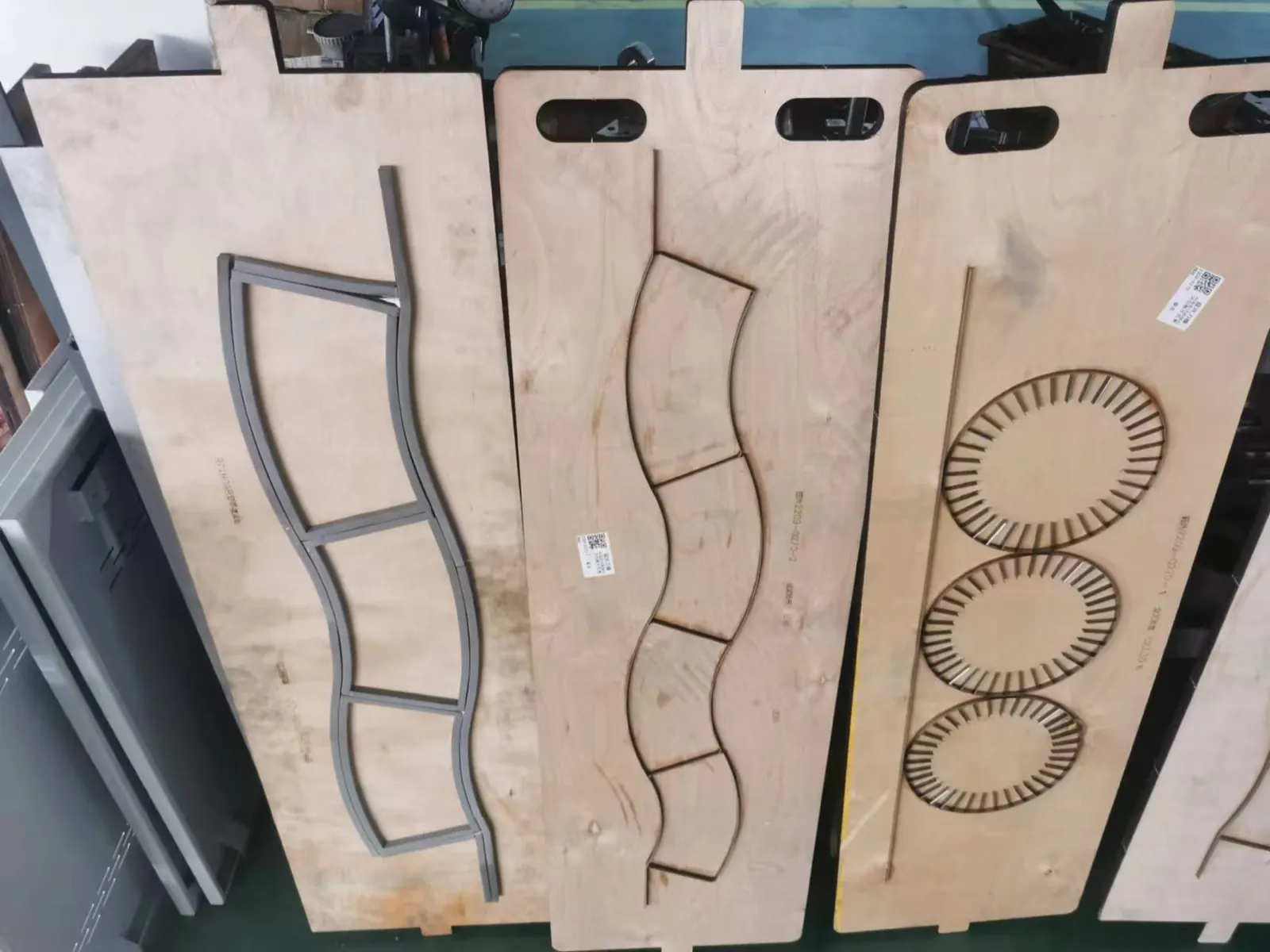
Decision matrix
| Mounting control | Evidence | Acceptance |
|---|---|---|
| Tool identity | Die code, revision, repeat, width and cutting layout | Matches the current job and cylinder |
| Cylinder condition | Cleanliness, damage, runout record and magnetic surface | Provides a stable seating datum |
| Orientation | Gear/operator side, leading edge and register reference | Prevents reversed or shifted mounting |
| Seating | Progressive contact, no trapped air/debris or lifted edges | Maintains uniform support |
| First cut | Material lot, impression, dimensions and waste release | Proves the mounted tool in process |
Verify die and job identity
Match the flexible die label to the controlled blank drawing, material, repeat and magnetic cylinder. Inspect cutting edges, plate back, corners and registration marks under safe handling. Segregate a damaged or unidentified die.
Record the intended machine direction and operator/gear side. Do not rely on memory from a previous job. A mirrored or reversed layout can waste material and place cut features outside the approved blank orientation.
Prepare the magnetic cylinder
Clean the cylinder and die back with supplier-approved materials. Maxcess guidance warns against metal cleaning devices and recommends separate storage for cylinder and flexible die. Inspect for rust, adhesive, raised damage and trapped fibers.
Confirm the cylinder is supported and stationary under the machine procedure. Do not place loose steel tools where magnetic attraction can pull them into the surface. Address runout or damage before using impression pressure to compensate.
Seat the flexible die progressively
Align the approved leading reference and allow the die to contact the cylinder progressively, maintaining control of the free edge. Use the supplier’s removal/mounting tool where provided. Avoid snapping the plate down, which can trap debris or pinch hands.
Inspect the entire edge and surface for lifting, gaps or contamination. Confirm register reference and gear-side relationship before rotating. Do not strike the cutting edge or use adhesive unless the tooling system explicitly requires and approves it.
Set impression from evidence
Restore guards and thread the approved material. Begin with the machine/tool supplier’s setup method and the lowest controlled condition that can establish the cut. Inspect cut completeness, backing or anvil marks, registration and waste release.
Do not increase pressure broadly to solve one local defect. Map the cross-web and repeat position, then inspect die seating, material, cylinder and support surface. Excess impression accelerates wear and can damage tooling.
Remove, clean and store correctly
After the job, isolate the machine and use the approved tool to lift the flexible die without kinking it. Clean and inspect both surfaces, record damage or cut-life evidence and protect sharp edges.
Store flexible die and magnetic cylinder separately in their intended supports and dry environment. Send HANNAI the die drawing, cylinder/model information, mounting photos and marked cut samples when reviewing a tooling problem.
Technical references
- Maxcess magnetic cylinder care and handling — general component guidance; the installed machine documentation remains controlling.
Related machine and guide
Review the 850 roll die cutting machine for machine context, then use the rotary tool edge and mounting guide for the adjacent check. Browse all Buyer Guides when building a wider project checklist.
Frequently asked questions
Can a flexible die be snapped directly onto the cylinder?
Use the supplier-approved progressive method to avoid trapped debris, damage and hand injury.
Should more impression correct one uncut spot?
Not before checking die seating, contamination, material and supporting-surface condition.
Can the die stay on the cylinder in storage?
Maxcess recommends storing the flexible die and magnetic cylinder separately.
What should accompany a mounting problem report?
Provide tool IDs, orientation, cylinder condition, setup evidence and mapped first-cut samples.
Review your machine configuration with HANNAI
Send the machine model, project reference, component labels, drawings, photos and a description of the required result. We will clarify which details must be confirmed before a quotation or technical recommendation.