Roll die cutting machine scrap rewinding must control a changing waste web without pulling the usable material out of register or creating an unsafe roll. A waste roll that builds unevenly, telescopes, breaks repeatedly or becomes difficult to remove can originate in upstream die-cut geometry, web routing, rewind alignment or handling practice. Diagnosis begins with the waste path and the first point where tension or roll shape changes.
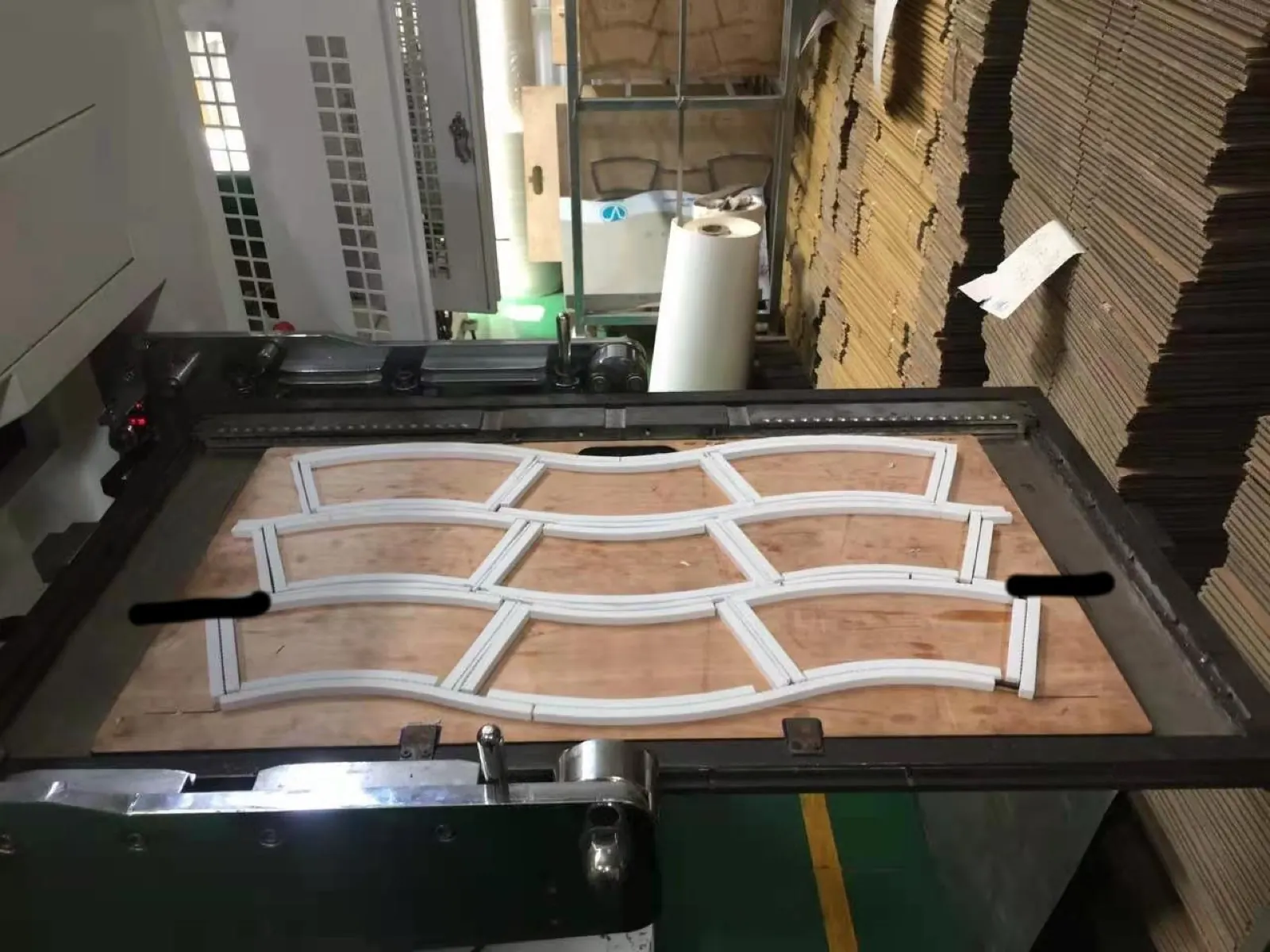
Map the complete waste route
Use the machine threading diagram to identify where the waste matrix separates from accepted blanks, every guide or roller it touches, the rewind shaft or core, drive method and guarding. Confirm whether edge trim, matrix waste and separated blanks follow different routes. Do not copy a path from another die cutter.
The waste stripping and blank delivery guide focuses on separation quality. This guide follows the remaining scrap after separation toward controlled winding and removal.
Identify the first unstable condition
Record whether the scrap narrows, tears at a repeated die feature, shifts on one guide, flutters, wrinkles before winding or builds an angled roll. Note material lot, roll width, die, blank layout, speed stage, splice, roll diameter and time since the last removal. Preserve a section of waste showing the initial tear where safe.
A rewind fault can be a symptom of a damaged bridge, incomplete cut, incorrect matrix design or edge nick upstream. Observe from outside guards and compare the web immediately after stripping with its condition at the rewind. Do not increase rewind pull to overcome waste that has not separated correctly.
Use a rewind evidence table
| Observed pattern | Evidence to inspect | Diagnostic direction |
|---|---|---|
| Waste tears at same layout point | Die feature, bridge, cut quality and preserved scrap section | Review upstream geometry before rewind force |
| Roll telescopes to one side | Core seating, shaft alignment, guide position and incoming web | Separate skewed entry from uneven winding support |
| Roll is loose or slips | Core identity, attachment method, drive state and roll build | Confirm approved core and winding engagement |
| Web snaps as roll grows | Diameter, control response, route friction and tear location | Check changing demand and local restriction |
| Removal is difficult | Final roll shape, core condition, shaft release and weight control | Review removal interval and handling method |
Prepare the core and threading safely
Confirm the approved core dimensions, condition and attachment method for the delivered rewind. A crushed, wet, oversized or slipping core can make a good web build unstable. Inspect the shaft, chucks or retention devices under lockout and verified isolation. Replace damaged components through the supplier procedure.
Thread only with the machine in the defined safe state, using the documented route and tools. Keep hands, clothing and loose items away from nip and winding points. Never wrap scrap around a rotating core by hand or bypass a guard to keep a web running.
Check alignment and friction through the route
With energy isolated, inspect accessible rollers, guide surfaces, bearings, edges and mounts for contamination, adhesive-like residue, wrapped fragments, burrs or looseness. Confirm the core is seated squarely and the incoming scrap approaches without a side pull. A small displaced guide can become more visible as roll diameter increases.
Do not polish or move a roller before recording its reference. If a bearing drags or a shaft has play, use the approved measurement and service method. Compare left and right roll build at repeatable diameter stages instead of waiting until the full waste roll collapses.
Review rewind control without guessing settings
Rewind torque, speed relationship or tension control depends on the machine design and material. Qualified personnel should compare the delivered recipe, drive status, feedback devices and control response. A static value copied from another web or diameter is not a safe universal setting.
Use the web tension and register guide if accepted blanks shift while rewind behavior changes. Adjust one approved variable at a time and record blank register, scrap stability and roll build together. A smoother waste roll is not a successful correction if product registration deteriorates.
Set a controlled removal point
The maximum safe waste-roll condition depends on shaft capacity, material density, roll shape, guarding and the site’s handling equipment. Obtain the supplier limit and create an operational trigger based on an observable condition such as approved diameter, schedule or machine indication. Do not invent a weight or wait until guards are contacted.
Stop through the approved sequence, isolate stored and driving energy, secure the roll against uncontrolled movement and use suitable lifting or handling aids. Keep the waste identified by production order when traceability or waste accounting requires it. Inspect the core and shaft before the next threading.
Verify both scrap and accepted blanks
After correction and guard restoration, start at the approved controlled stage. Inspect waste separation, edge integrity, tracking and roll build at defined intervals. At the same time, sample accepted blanks for dimensions, cut quality, creases, bridges, surface condition and stack orientation.
Record waste-roll start and removal times, material, die, breaks, interventions, waste quantity method and accepted product result. Trends can show whether the fault follows a particular die layout, core batch, guide condition or operating stage without attributing every break to “tension.”
Frequently asked questions
Should rewind tension be increased when scrap breaks?
Not automatically. First locate the tear and check separation, die features, routing, friction, alignment and control response. More pull can worsen a weak matrix.
Can an uneven waste roll affect blank registration?
Yes, if the rewind applies changing or asymmetric load to the web. Compare rewind evidence with main-web tension and accepted blank measurements.
May operators guide the waste roll by hand while it runs?
No. Winding and nip points can pull in hands or clothing. Use the guarded, supplier-approved route and stop-isolate procedure for intervention.
What evidence should be sent for a recurring break?
Provide material and die identity, blank layout, exact tear location, preserved scrap, threading path, roll-build photos, speed stage, drive status and accepted blank checks.
Send the machine model, material and die layout, waste route, tear samples, roll-build photos, control evidence and accepted-blank results through our inquiry page. HANNAI can review the rewind and stripping relationship for the supplied machine.