Paper cup machine quote comparison becomes useful only when each offer describes the same production job. A lower total may omit change parts, supporting equipment or the trial needed for your board. Build a scope matrix before comparing totals so missing information remains visible instead of becoming an assumed inclusion.
This guide develops a technical comparison worksheet. It does not supply market prices or replace a purchase contract. Use the current written offer and supplier clarifications as evidence. Any illustrative scoring described here is a buyer decision method, not a HANNAI machine rating.
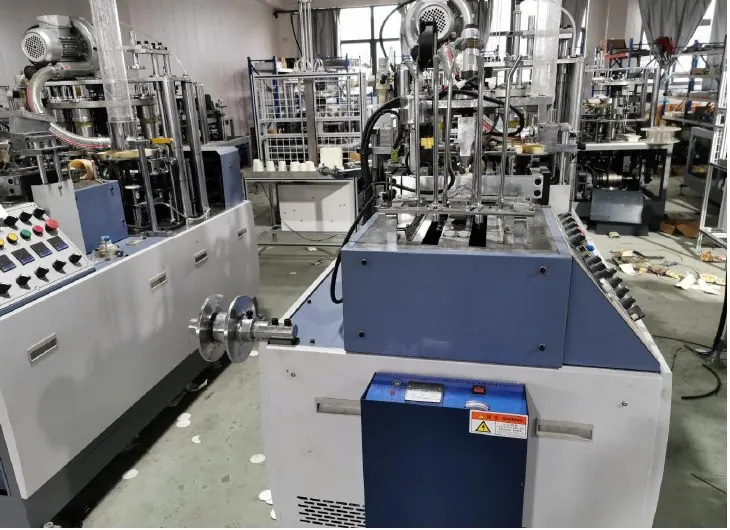
Decision worksheet
| Comparison row | Evidence to request | How to record it |
|---|---|---|
| Target cup | Drawing and material revision | Same basis for all offers |
| Accepted output | Count boundary and trial conditions | Confirmed or untested |
| Tooling | Included format and change parts | Included, optional or excluded |
| Utilities | Machine and shared-system boundary | Buyer or supplier responsibility |
| Acceptance | Test method and retained records | Agreed or unresolved |
Freeze the reference production job
Issue one reference package to every supplier: cup drawing, intended lid, board and coating specification, artwork constraints, order mix and packing method. Give each document a revision. Capacity claims made for different cup geometry or materials should remain in separate rows until the supplier confirms the reference job.
State whether you need formed cups, counted stacks, sealed bags or released cartons. These are different output boundaries. Ask how the quoted configuration changes across the smallest and largest intended formats. A machine family name is not enough to identify the tooling, sealing arrangement and auxiliary equipment actually offered.
Separate compliance from optional preference
Create columns for requirement, offered configuration, evidence, deviation, owner and closure date. Use confirmed, conditional, excluded and unanswered as distinct states. An unanswered item is not compliant simply because the quotation is silent. Record the exact document page or clarification reference supporting each entry.
Treat essential compatibility as a gate before scoring preferences. For example, a required cup drawing that has not been reviewed should not be offset by a better delivery estimate. Weighted scoring can help compare service or convenience, but it should not average away unresolved material or safety requirements.
Normalize tooling and supporting scope
List the first production format, additional formats, supplied change parts, setup gauges, special tools and documentation separately. Confirm who supplies sidewall blanks and bottom reels during the demonstration. Include collection, transfer, packing, compressor treatment and electrical connection boundaries where they affect the project.
A useful discrepancy example is Offer A including one production format while Offer B includes three. Record the missing two formats and obtain a written like-for-like revision; do not invent an adjustment cost. Apply the same method to installation attendance, training, unloading assistance and commissioning consumables.
Compare evidence behind performance statements
Ask for the measured speed, good output, rejects, stops and elapsed test period on the agreed cup and board. Keep demonstration observations separate from a contractual acceptance requirement. A short video can show operation, but cannot establish sustained output, reject disposition or the completeness of the tested scope.
Use a comparison row such as: accepted cups per scheduled hour, packing included, material lot identified, test duration recorded, stops retained. If one supplier reports only counter speed, mark the result non-comparable. Request the missing evidence before drawing a performance conclusion or calculating production economics.
Close deviations before supplier selection
Review the matrix jointly with production, maintenance, quality and the project owner. Assign each open item an action and identify which answers could change equipment selection. Preserve quotation revisions so a later lower total cannot silently remove previously included scope. Recheck the matrix when a cup drawing, board source or packing specification changes.
Send HANNAI the same reference package and a concise list of unresolved rows. The useful output is a configuration discussion linked to your project, followed by written scope confirmation. Keep the final matrix with the approved technical annex so commissioning teams can trace what was selected and why.
Related equipment and next checks
Review the HN-M100 automatic paper cup machine and the related guide to purchase technical annex checklist. The Engineering Notes archive connects these checks with wider machine planning.
Frequently asked questions
Can I compare quotations by headline speed?
Only after the cup, board, output boundary and test conditions match.
How should an unanswered requirement be scored?
Keep it unresolved; obtain evidence before treating it as compliant.
Should every option be included in the base total?
Separate essential scope from optional upgrades and compare each consistently.
When should the comparison be repeated?
Whenever scope, drawing, material, packing requirements or quotation revisions change.
Review the evidence with HANNAI
Send the reference cup drawing, material specification, order mix and quotation rows that remain unresolved. HANNAI can review the configuration and clarify the offered technical scope.