A paper cup production job packet should give the line one controlled set of information for the exact order being made. Missing or mixed revisions create avoidable uncertainty at setup, inspection and packing even when each department keeps its own documents.
This guide covers packet assembly and release. It does not prescribe a particular form or production settings; those depend on the approved product and installed equipment.
Decision worksheet
| Control point | Evidence to retain | Decision status |
|---|---|---|
| Define the packet index | List each document identifier, revision and owner, including customer-specific additions | Verified, held or escalated |
| Verify product and material identity | Record approved alternatives and the authorization that permits them | Verified, held or escalated |
| Include setup and inspection references | Identify first-piece and in-process records and valid measurement equipment | Verified, held or escalated |
| Release and acknowledge the packet | Record receipt by the line and control any printed copies or electronic access | Verified, held or escalated |
| Complete and archive the record | Preserve corrections, signatures and attachment identities under the order | Verified, held or escalated |
Define the packet index
Map the control to the production or logistics route. Create an index for the order, product, quantity, route and required documents before issuing work. Identify where information enters the process and where another person depends on it. List each document identifier, revision and owner, including customer-specific additions. Compare the source record with labels, containers or equipment at the work point, and preserve the original value when a correction is needed.
Keep the packet unreleased when a mandatory item is absent or marked draft. Stop release when identity or scope cannot be defended. Record the affected boundary, immediate action and approval needed, then verify the corrected condition instead of accepting a verbal confirmation.
Verify product and material identity
Begin with the requirement and evidence needed for the decision. Match cup drawing, artwork, sidewall blank, bottom reel and packing materials to the order. Make the instruction specific enough that two trained people would reach the same conclusion. Record approved alternatives and the authorization that permits them. Keep supporting photographs, files or samples linked to their source and revision.
Hold preparation when labels or material codes cannot be tied to the current specification. Escalate differences according to risk, including product already moved to a later stage. Retain failed or incomplete evidence beside the final result so the sequence remains auditable and future investigations can reconstruct it.
Include setup and inspection references
Treat this activity as a controlled handoff. Provide the approved tooling, change-part, setup and test instructions needed by the line. Name the sender, receiver, item and acceptance condition, then confirm the receiving party can recognize the current status. Identify first-piece and in-process records and valid measurement equipment. Reconcile changes made during the handoff and document who authorized them.
Escalate instructions that rely on undocumented operator memory or obsolete machine notes. Segregate mismatched or missing items and prevent automatic system release. After correction, perform a direct check at the destination and record the time, quantity and final status before closing the handoff.
Release and acknowledge the packet
The review should test both completeness and practical use. Assign a unique packet status and approval before production begins. Check the current job and physical evidence first, then compare supporting records. Record receipt by the line and control any printed copies or electronic access. Use a defined sample or full check appropriate to the risk and explain any conversion between cups, stacks, bags, cartons or pallets.
Stop use when pages are missing, replaced informally or mixed with another job. Investigate unexplained differences rather than forcing a balance. Assign corrective work, confirm its result at the process location and preserve approval with the batch, shipment or event record.
Complete and archive the record
Reconcile returned documents, actual batch entries, deviations and final release evidence. State the responsible role, applicable product and exact decision point before work begins. Use approved order and quality records rather than an informal message. Preserve corrections, signatures and attachment identities under the order. Capture actual identifiers, quantities, dates and observations while the activity occurs.
Investigate missing pages or post-production entries before the batch record is closed. Protect any uncertain product from normal movement and assign the unresolved question to an authorized owner. Close the step only after physical items, system status and written evidence agree.
Related equipment and next checks
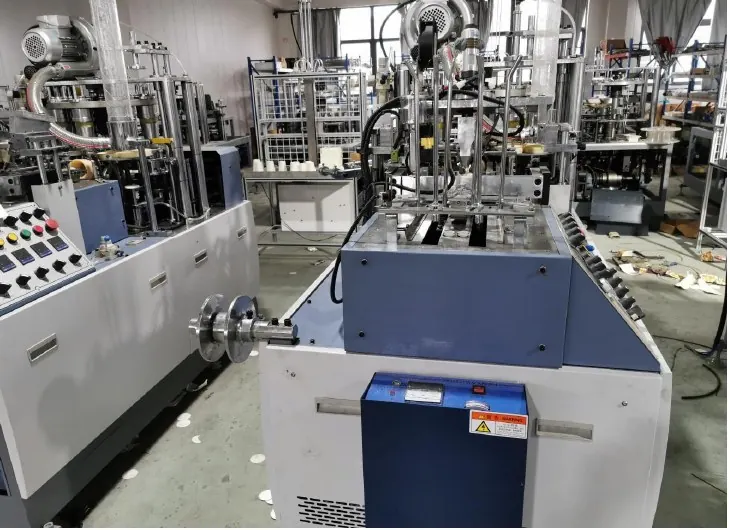
Review the HN-M100 automatic paper cup machine and the related guide to batch record completeness guide. The Engineering Notes archive connects these checks with wider machine planning.
Frequently asked questions
Can the packet be entirely electronic?
Yes when access, revision, signatures and record retention remain controlled at the work point.
Should standard work instructions be copied into every packet?
Reference controlled instructions when reliable access exists; include order-specific information directly.
Who releases the packet?
The role defined by the production and quality document process.
What happens after production?
Complete, review and archive the packet with the batch and release evidence.
Review the evidence with HANNAI
Send the current job packet, cup drawing, material list and inspection plan. HANNAI can help identify machine-specific documents needed before setup.