A paper cup production batch record should reconstruct what was made, from which materials, on which equipment and under which approved conditions. Completing fields after the event or copying standard values weakens the record and makes later defect, yield or complaint analysis unreliable.
This guide defines a completeness review for buyer quality systems. It does not impose one record format or universal retention period. The required fields and approvals should follow the product, customer and local quality requirements.
Decision worksheet
| Control point | Evidence to retain | Release decision |
|---|---|---|
| Order identity | Order, SKU, drawing and artwork revision | Correct job released |
| Material use | Board, bottom reel, ink and packing lots | Genealogy complete |
| Process record | Machine, tooling, settings and checks | Approved basis shown |
| Quantity balance | Input, good output, rejects and remainder | Difference explained |
| Release | Inspection, deviations and authorization | Batch disposition clear |
Freeze the job identity
Begin with the production order, product code, cup drawing, artwork and packing specification revisions. The operator should confirm the released documents before setup and record changes through the controlled process. A batch record that names only cup size cannot distinguish two customers or designs with the same nominal volume.
Include planned quantity, route and relevant customer requirements. Use document identifiers instead of attaching uncontrolled printouts where possible. Record who verified the job identity and when the line was cleared for the new order.
Capture material genealogy at use
Record actual sidewall blank, bottom reel, ink, adhesive when applicable and packaging material lots as they enter the job. Preserve supplier and internal lot links without relying on packaging that will be discarded. Record substitutions, partial reels and mixed lots at the time of use.
Reconcile returned material and work in process so the next order does not inherit an unknown quantity. When a supplier lot changes during a run, identify the time or production counter boundary. This makes later investigation more precise than placing the entire order under suspicion.
Record process and inspection evidence
Identify the forming machine, packing equipment, tooling or change parts and the approved setup reference. Capture required first-piece, in-process and final checks with actual results, instrument identity and time. Check marks should mean a defined action, not a general statement that production looked normal.
Record stops, adjustments and maintenance interventions that may affect product. Link separate logs with a record number. If a field is not applicable, mark it according to procedure rather than leaving an ambiguous blank. Corrections should remain legible, dated and attributable.
Reconcile quantities and deviations
Balance issued material or starting quantity against accepted cups, rejects, samples, work in process and returned stock using the defined measurement basis. Explain conversions between cups, stacks, bags and cartons. Differences outside the local review limit need investigation rather than a forced arithmetic adjustment.
List deviations, quality holds and rework records that affected the batch. Show the quantity and inspection result after any rework. A completed corrective action does not automatically release the product; the release decision needs its own evidence.
Complete an independent release review
The reviewer should confirm required fields, signatures, attachments and quantity balance before release. Check that results meet the correct revision and that open exceptions have authorized disposition. Use a checklist for completeness, but read the evidence instead of counting filled boxes.
Record the final status, authorized person and release date. Store the batch package so it can be retrieved by order, lot and date. Periodically trend missing or late entries, then improve the form or training at the point where information is created.
Related equipment and next checks
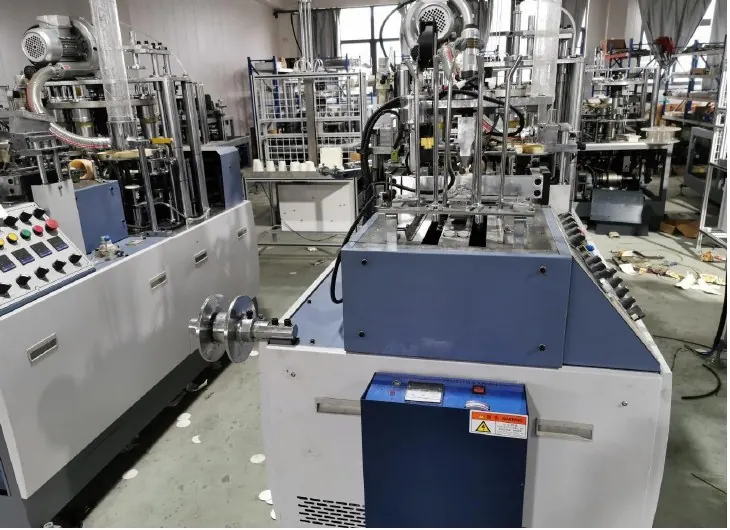
Review the HN-M100 automatic paper cup machine and the related guide to lot genealogy guide. The Engineering Notes archive connects these checks with wider machine planning.
Frequently asked questions
Must every process setting be recorded?
Record the settings and conditions required by the approved process or needed to demonstrate control.
How should a mid-run material change be recorded?
Identify the new lot and the time, counter or container boundary where it entered production.
Can blank fields be accepted?
Only when their meaning is unambiguous under the procedure; use a controlled not-applicable entry.
Who releases the batch?
The role assigned by the buyer’s quality system after reviewing all required evidence.
Review the evidence with HANNAI
Send the current batch record, cup drawing revision, material list and any recurring missing fields. HANNAI can help map machine and packing evidence to the production route.