Paper cup inspection data transcription can introduce a release error even when the original measurement is correct. Decimal points, units, sample identities and pass/fail formulas should remain traceable from instrument or worksheet to the final batch record.
This guide covers manual data transfer and review. It does not define test methods, tolerances or electronic-system validation.
Decision worksheet
| Control point | Evidence to retain | Decision status |
|---|---|---|
| Identify source and destination fields | Record field name, unit, rounding rule and sample identity | Verified, held or escalated |
| Enter data without replacing originals | Use controlled corrections with user, date and reason instead of overwriting entries | Verified, held or escalated |
| Perform an independent comparison | Check sample, date, instrument, unit, result and acceptance limit, not only the final pass mark | Verified, held or escalated |
| Verify calculations and rounding | Retain formulas or calculation sheets and show the unrounded value where required | Verified, held or escalated |
| Release and trend transcription errors | Classify recurring errors by form, instrument, unit or workflow | Verified, held or escalated |
Identify source and destination fields
Treat this activity as a controlled handoff. Map instrument files, worksheets, batch records, summaries and certificates used for each result. Name the sender, receiver, item and acceptance condition, then confirm the receiving party can recognize the current status. Record field name, unit, rounding rule and sample identity. Reconcile changes made during the handoff and document who authorized them.
Block transfer when the destination asks for a different characteristic or unit. Segregate mismatched or missing items and prevent automatic system release. After correction, perform a direct check at the destination and record the time, quantity and final status before closing the handoff.
Enter data without replacing originals
The review should test both completeness and practical use. Transcribe actual values and preserve the source record unchanged. Check the current job and physical evidence first, then compare supporting records. Use controlled corrections with user, date and reason instead of overwriting entries. Use a defined sample or full check appropriate to the risk and explain any conversion between cups, stacks, bags, cartons or pallets.
Escalate illegible handwriting, incomplete exports or ambiguous decimal notation. Investigate unexplained differences rather than forcing a balance. Assign corrective work, confirm its result at the process location and preserve approval with the batch, shipment or event record.
Perform an independent comparison
Select or review entries according to risk and compare digit by digit with the source. State the responsible role, applicable product and exact decision point before work begins. Use approved order and quality records rather than an informal message. Check sample, date, instrument, unit, result and acceptance limit, not only the final pass mark. Capture actual identifiers, quantities, dates and observations while the activity occurs.
Expand the review when an error suggests a copied range or repeated formula problem. Protect any uncertain product from normal movement and assign the unresolved question to an authorized owner. Close the step only after physical items, system status and written evidence agree.
Verify calculations and rounding
Map the control to the production or logistics route. Recalculate averages, conversions and pass/fail logic using the approved method. Identify where information enters the process and where another person depends on it. Retain formulas or calculation sheets and show the unrounded value where required. Compare the source record with labels, containers or equipment at the work point, and preserve the original value when a correction is needed.
Do not round early or adjust results to fit a specification limit. Stop release when identity or scope cannot be defended. Record the affected boundary, immediate action and approval needed, then verify the corrected condition instead of accepting a verbal confirmation.
Release and trend transcription errors
Begin with the requirement and evidence needed for the decision. Record reviewer, date, scope and corrected fields before batch release. Make the instruction specific enough that two trained people would reach the same conclusion. Classify recurring errors by form, instrument, unit or workflow. Keep supporting photographs, files or samples linked to their source and revision.
Improve interfaces, forms or training and verify that the error rate decreases. Escalate differences according to risk, including product already moved to a later stage. Retain failed or incomplete evidence beside the final result so the sequence remains auditable and future investigations can reconstruct it.
Related equipment and next checks
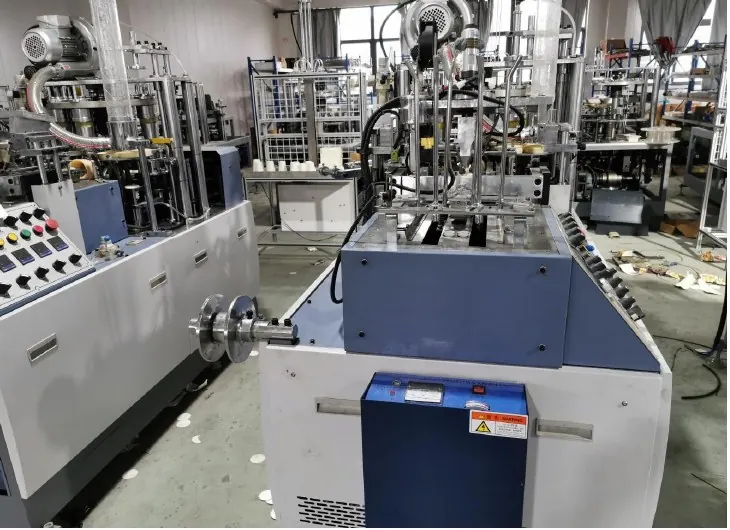
Review the HN-M100 automatic paper cup machine and the related guide to quality data audit-trail guide. The Engineering Notes archive connects these checks with wider machine planning.
Frequently asked questions
Does a second signature prove the values were checked?
The procedure should define the comparison performed and retain evidence of the review scope.
Should pass/fail results be transcribed instead of values?
Retain actual values where the approved record requires them and calculate status from controlled limits.
How are corrections made?
Preserve the original, identify the correction, reason, user and date.
What if one transcription error is found?
Assess whether the same method or copied range could affect other records and expand the review.
Review the evidence with HANNAI
Send the inspection worksheet, instrument output and final report format. HANNAI can help map data fields to forming-process checks.