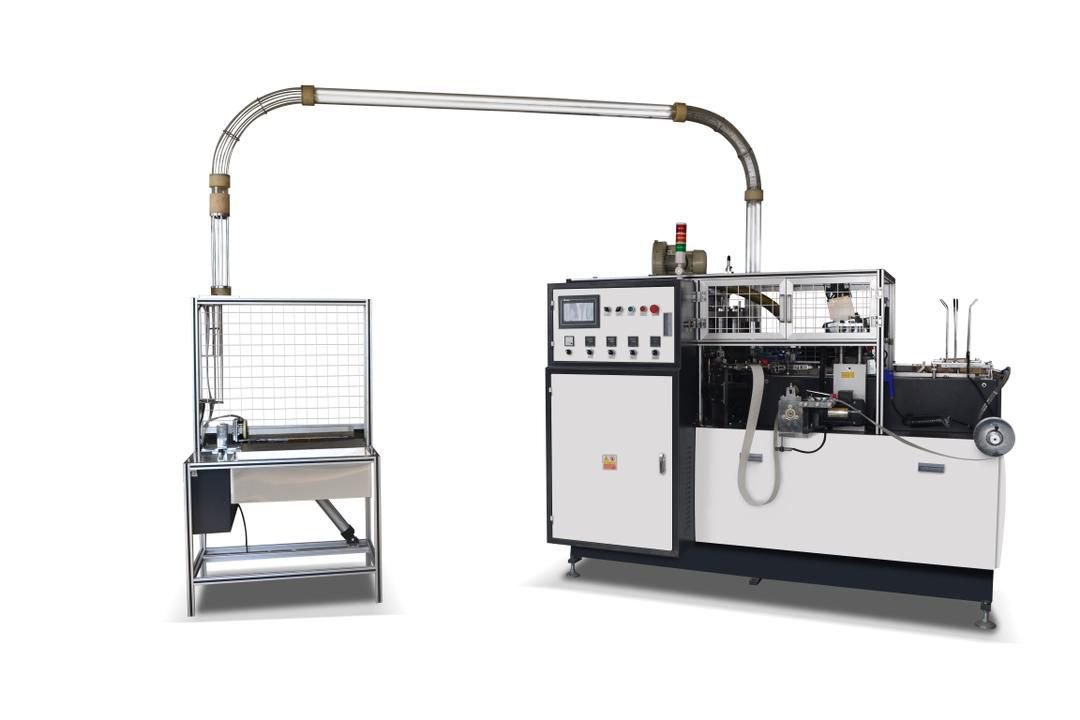

A paper cup machine quotation checklist helps turn a short price inquiry into a useful configuration request. The supplier needs to understand the cup, material, production target and factory conditions before recommending the equipment scope.
You do not need every specification finalized to begin. You do need to distinguish confirmed information from assumptions. A clear request for quotation, or RFQ, gives each supplier the same starting point and makes unanswered questions easier to resolve.
Identify the finished cup precisely
Send a physical sample where practical, or a drawing showing top diameter, bottom diameter and height. Include the nominal volume as a product description, but do not use it as the only dimension.
If your project includes several cups, identify the first commercial size and list the others separately. Add the intended use and any relevant rim, lid or construction requirement. The cup mould and size guide explains why the sample and geometry matter to the tooling discussion.
Describe the material and blank supply
Provide the paper specification and coating information available from your material supplier. State whether fans are plain or printed, how they are prepared and what bottom material will be used. Attach material identification to samples so a test result can be traced to the correct stock.
If the final material is not selected, mark it as an open item. Ask what sample testing is required before configuration approval. A preliminary proposal based on one material should not be treated as confirmation that every alternative will work.
Explain demand and factory conditions
Describe expected orders, operating hours, number of cup sizes and how often sizes may change. This gives more context than requesting a machine with the highest advertised speed.
Add destination country, voltage, frequency and phase if known. Describe available compressed air and space, or say that utilities are still being planned. Include whether operators already have experience with cup production and which equipment is installed at the site.
Separate essential equipment from options
Decide whether the request covers forming only or also printing, blank cutting, collection and packing. Use the production line planning guide if that boundary is unclear.
Ask suppliers to quote essential items and optional additions separately. This lets you compare the starting purchase without losing visibility of future equipment. Explain any existing machine or external supplier that the new configuration must work with.
Copy this RFQ structure
Replace the entries below with your project information. Use “to be confirmed” for unresolved fields and attach the relevant drawing, artwork or material reference.
| RFQ field | Your information | Requested supplier response |
|---|---|---|
| Finished cup | Drawing reference, dimensions and application | Proposed machine and tooling compatibility |
| Product range | Initial size and later sizes | Included moulds and optional change parts |
| Material | Paper, coating, fan and bottom stock | Required sample or material checks |
| Production plan | Order quantities, schedule and change frequency | Suitable configuration and stated assumptions |
| Factory | Utilities, space and destination | Preparation information and open requirements |
| Equipment scope | Required stages and existing equipment | Included, optional and excluded items |
| Support | Training and commissioning needs | Method, responsibility and agreed scope |
Add a contact responsible for technical questions and a version date. If a specification changes, resend the revised brief rather than allowing different suppliers to quote different versions.
Check the response against your request
A useful quotation should show which requirement each proposed item addresses. Review the machine identity, mould scope, material assumptions, accessories, documents, packing and delivery responsibilities.
For missing answers, ask a specific follow-up: “Which mould corresponds to drawing A?” is more useful than “Is everything included?” Keep the reply with the quotation so verbal clarifications do not disappear from the purchase record.
Read the machine price factors guide when comparing differences in scope. A higher or lower price cannot be interpreted reliably until the configuration and responsibilities are clear.
Close open items before final approval
Maintain a short list of unresolved dimensions, material tests, utility requirements and optional equipment. Give each item an owner and a required decision before the order advances.
Confirm the final quotation refers to the agreed brief. For important requirements, identify the evidence that will demonstrate compliance with that brief, such as an approved sample, configuration list or agreed pre-shipment test. Avoid leaving a critical condition only in an earlier message.
Frequently asked questions
Are a cup photo and ounce size enough?
They can start the discussion, but mould and configuration approval normally need dimensions or a suitable sample. Photos alone may not show the geometry or material clearly.
Can I ask for a quote before selecting the paper?
Yes. Identify the material as unresolved and ask what must be supplied for testing or final selection. Keep any initial quote assumptions visible.
How should I request several cup sizes?
Provide a separate drawing or sample reference for each size. State their production priority and ask which moulds, change parts and setup arrangements are required.
Should optional equipment appear in the RFQ?
Yes, in a separate section. Clear options help the supplier discuss expansion without confusing the cost of the required starting equipment.
Send a complete project brief
Submit your RFQ through the HANNAI inquiry page. Attach the confirmed cup and material information, identify open items and state the equipment stages you want included in the proposal.