A paper cup machine price is useful only when the quotation describes the equipment you actually need. Cup dimensions, material, mould scope, output requirements and delivery responsibilities can change the proposal. Two prices beside the same model name may therefore cover different purchases.
Before comparing figures, define one production brief and ask each supplier to quote against it. This guide explains which items to separate, which questions to ask and how to keep machine cost distinct from the wider factory investment.
Define the machine purchase before comparing prices
Start with the first cups you intend to sell. Provide a finished sample or drawing, paper specification, intended use and expected demand. Include the top diameter, bottom diameter and height rather than relying on an ounce description alone.
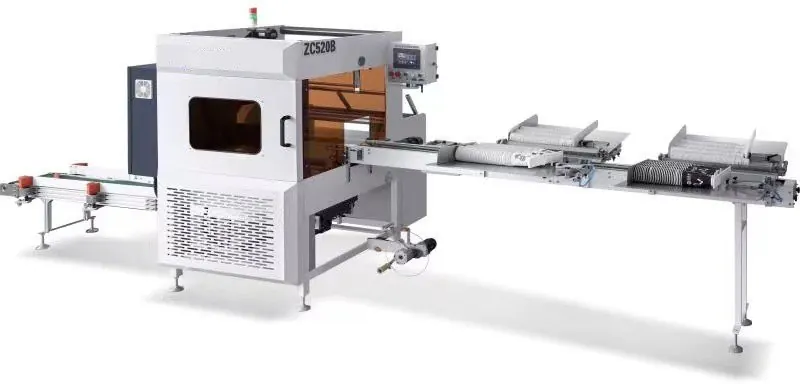
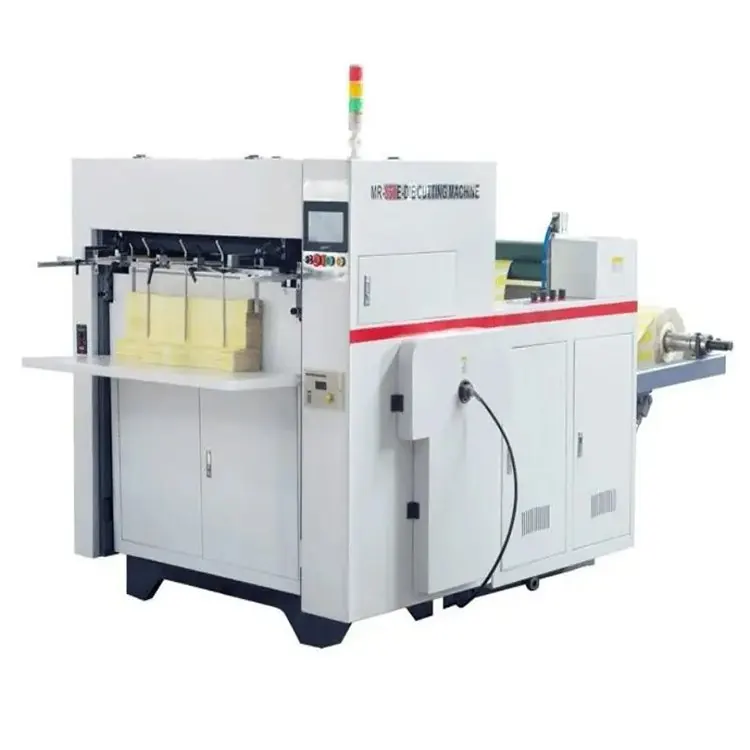
State whether you need forming equipment only or also printing, blank cutting, collection and packing. A quotation for one forming machine cannot be compared directly with a proposal covering several production stages. Mark future expansion separately so an optional machine is not mistaken for a required starting cost.
Separate configuration from advertised speed
A speed statement does not describe the whole configuration. Ask which cup, material and operating conditions it refers to, and which feeding, collection or control options are included. Your commercial output also depends on changeovers, rejected cups and the ability to inspect and pack the accepted production.
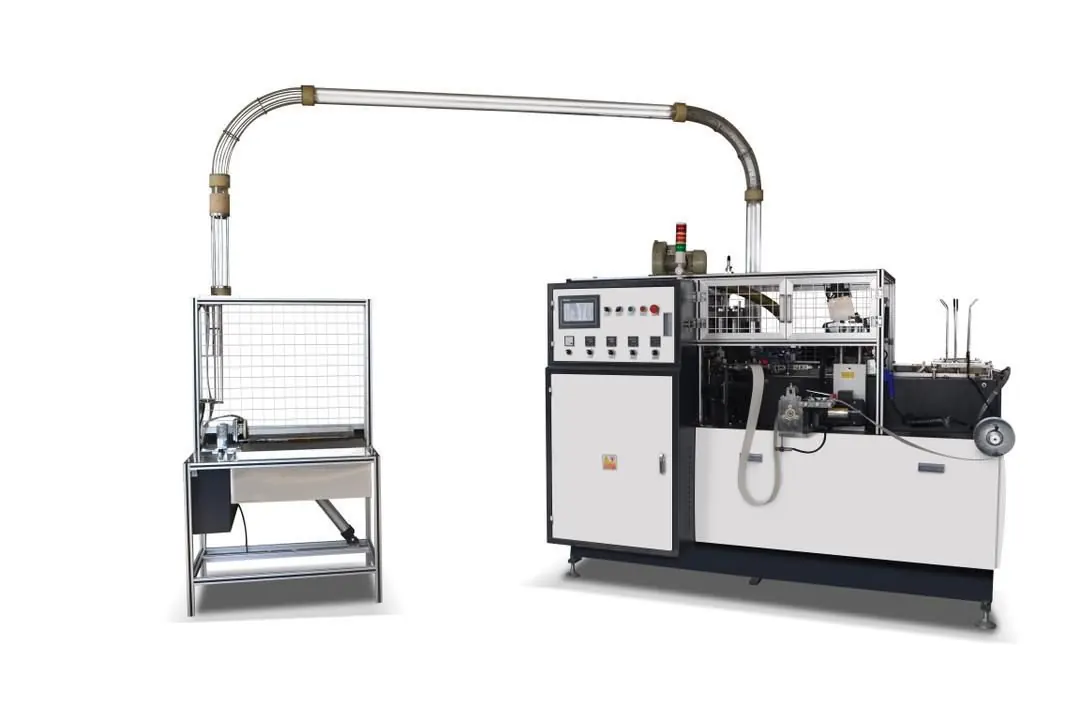
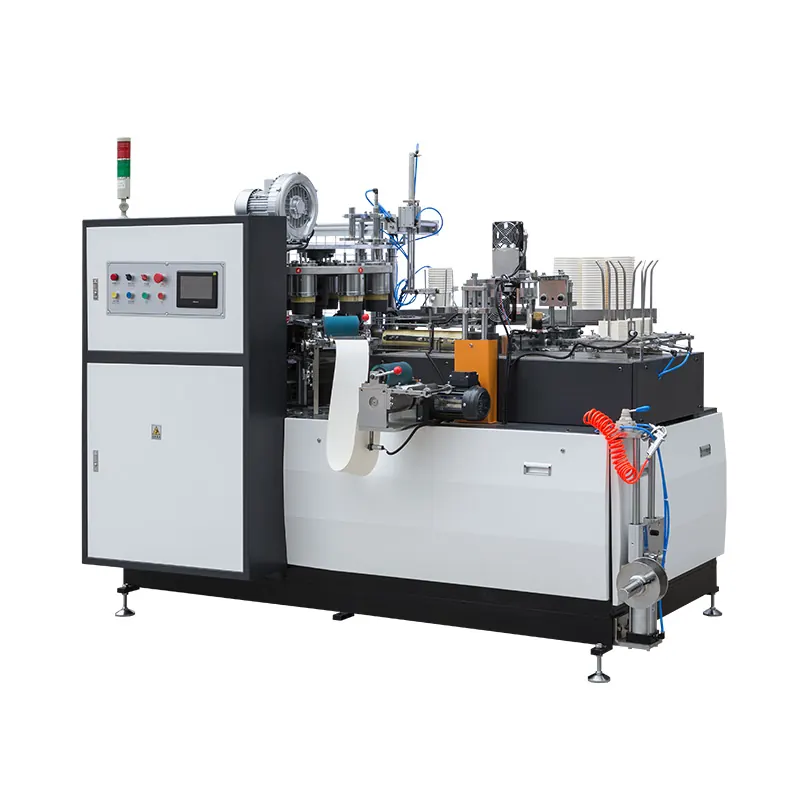
When reviewing the HN-S120 paper cup making machine, use the product information as the start of a configuration discussion. Request confirmation for your cup sample and order requirements before treating a model as a final selection.
Make the mould scope visible
List the initial cup sizes and any later additions. Ask the supplier to identify the moulds and change parts included for each size, what remains optional and how a future size would be assessed.
Different cups with the same nominal volume may have different geometry. A broad machine application range does not mean every size can be produced without tooling changes. Record the drawing or sample reference used for the quotation so the mould discussion remains tied to the intended product.
Compare included, optional and buyer-supplied items
Create a comparison sheet before deciding which quote offers the better fit. Leave a field open when a supplier has not answered; do not assume an unlisted item is included.
| Quotation item | Ask the supplier to identify | Record separately |
|---|---|---|
| Forming machine | Model and agreed configuration | Optional equipment or upgrades |
| Moulds and change parts | Included sizes and quantities | Future tooling requirements |
| Collection and packing | Included handling arrangements | Equipment prepared by the buyer |
| Documents and spare parts | Supplied document and parts lists | Additional items to discuss |
| Installation and training | Delivery method and responsibility | Travel, local work and other exclusions |
| Packing and transport | Packing scope and delivery terms | Freight and destination-side costs |
The aim is to explain the price difference, not automatically select the larger package. Equipment that your project does not need can absorb funds required for material, utilities or startup operations.
Confirm export and installation responsibilities
Share the destination, local voltage and frequency, factory access and planned installation location. Ask when utility information, dimensions and unloading requirements will be available.
Keep machine packing, transport arrangements and installation support distinct. A delivery term should not be treated as confirmation of every destination charge. Identify which costs require a local logistics or installation quotation and which are covered by the equipment supplier's proposal.
Keep machine price separate from plant investment
The equipment quotation is one part of the project budget. Workshop preparation, initial material stock, packing supplies, labour and working capital belong in a separate planning sheet. Use the paper cup manufacturing plant cost guide to build that wider boundary.
For the equipment request itself, follow the paper cup machine quotation checklist. Send the same information to every shortlisted supplier and retain the quotation revision and any assumptions alongside the comparison.
Frequently asked questions
Why do paper cup machine quotations differ?
They may cover different configurations, mould packages, accessories, support and delivery scope. Compare those items against one cup and production brief before comparing the final figure.
Are moulds always included?
The included mould scope must be stated in the quotation. Confirm the cup drawing, quantity of sets, related change parts and any optional tooling rather than assuming inclusion.
Can I get an initial quotation before every detail is final?
Yes, you can request a preliminary discussion while identifying unresolved specifications. Ask the supplier to state assumptions and confirm which details are needed for a final proposal.
Does a lower machine price mean a lower project cost?
Not necessarily. Omitted equipment, factory preparation, material purchasing and support responsibilities can change the wider budget. Compare equivalent scope and your actual starting requirements.
Request a configuration-based quotation
Send cup samples or dimensions, material details, output goals, factory voltage and destination through the HANNAI inquiry page. Include the equipment you need now and the processes you may add later so the discussion starts from a clear purchase scope.