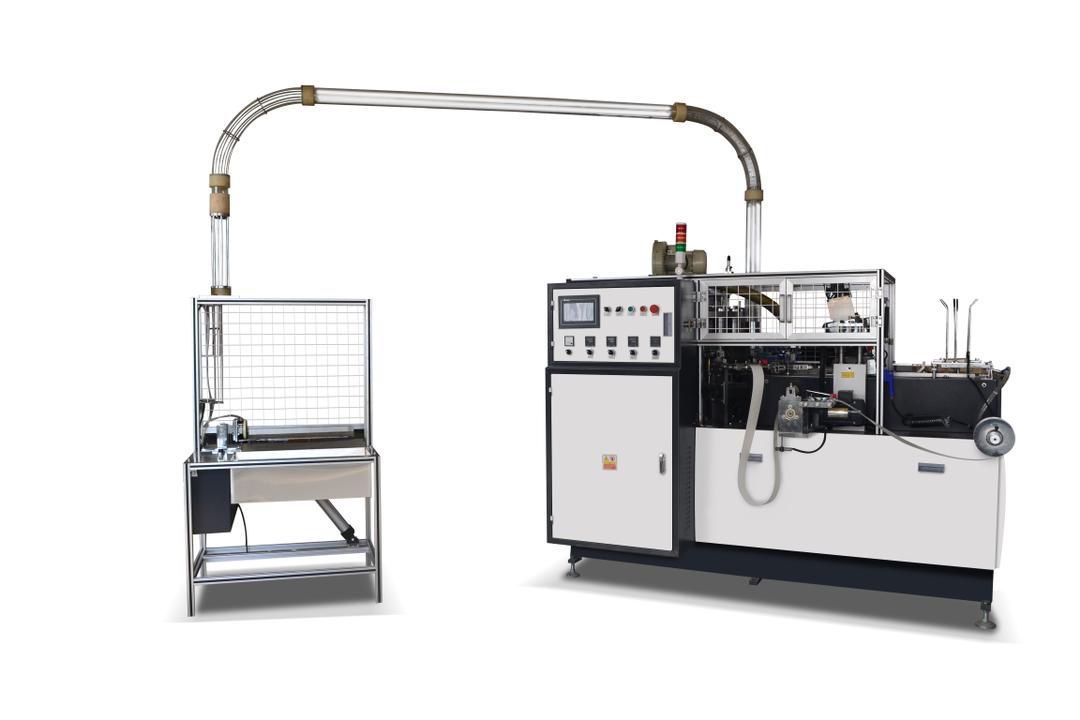
Paper cup machine voltage requirements must match the actual factory supply and the supplied machine configuration. A destination country is useful background, but it cannot replace confirmed voltage, phase, frequency and site information. Different facilities in the same country may have different supply arrangements.
Prepare an electrical brief before the quotation is finalized. Have qualified personnel verify the site and ask the supplier to confirm compatibility in writing. This guide organizes the procurement information; it is not an electrical installation procedure.
Describe the actual supply
Record the site's nominal supply voltage, phase and frequency, and identify how these were confirmed. Include relevant supply documentation and any measured conditions requested by the supplier or electrical designer. If a value is unresolved, label it unresolved rather than copying a country-level assumption.
Clarify whether the proposed machine supply is available at its final location. Existing capacity committed to other equipment needs to be considered by the qualified site team. A matching nominal voltage alone does not establish a complete suitable installation.
Obtain the configuration-specific machine requirement
Request the electrical requirement for the exact quoted configuration, including supporting equipment where relevant. The main machine and connected packing or handling equipment may have separate interfaces and ratings. Identify who supplies each connection and what documents will be provided before installation.
Review the HN-S120 product information as an equipment starting point, then confirm the proposed configuration. An online product page should not be treated as the final installation drawing for a customized order.
| Brief item | What to record | Who should confirm |
|---|---|---|
| Supply identity | Site voltage, phase and frequency | Qualified site electrical team |
| Machine requirement | Rating for the quoted configuration | Equipment supplier |
| Connected equipment | Separate loads and interface requirements | Relevant equipment suppliers |
| Installation scope | Connection, protection and isolation responsibilities | Buyer and qualified local designer |
| Documentation | Nameplate, circuit and installation references | Equipment supplier |
| Open compatibility issues | Unconfirmed values and required evidence | Assigned buyer/supplier contacts |
Keep voltage conversion and compatibility distinct
If a supply mismatch exists, ask the supplier and qualified designer to assess the solution. Do not assume a transformer resolves every issue. Voltage conversion does not by itself establish frequency compatibility, control-system suitability or the adequacy of protection and earthing.
Record any proposed adaptation in the purchase scope, including responsible party, documents and acceptance checks. Avoid purchasing conversion equipment from an informal estimate of the machine's consumption. The supplier's confirmed requirement and local design assessment should determine the approach.
Separate installed rating from operating consumption
A power rating is not automatically the machine's average energy use. For budgeting, identify whether a number represents installed load, maximum requirement or measured consumption under stated production conditions. Do not convert a nameplate rating directly into a promised cost per thousand accepted cups.
The total cost of ownership guide explains why measured energy and accepted output need the same boundary. Where operating data are unavailable, retain an explicit planning assumption and a method for checking it after startup.
Review site readiness before delivery
Use the confirmed machine information to arrange local electrical work ahead of commissioning. Have the qualified site team assess connections, protection, isolation and earthing according to the supplied documents and applicable requirements. Any power-quality concern should be described with measured evidence and operating conditions.
Keep the electrical brief with the installation and startup checklist. Record verification results and unresolved issues before energizing the machine. Do not rely on the fact that another machine operates at the same site as proof of suitability.
Preserve the final electrical handover
Retain the final machine identification, approved electrical configuration, current diagrams and site verification record. If a component or supply arrangement changes, review the effect with authorized personnel rather than treating the original approval as permanent coverage for every future change.
For technical support, provide machine identity, alarm information and relevant documented measurements. Leave cabinet work and electrical diagnosis to qualified personnel. Clear records help the supplier distinguish a configuration question from an installation or supply-condition issue.
Send the supplier a brief that distinguishes facts from open items
Use separate columns for the site team’s confirmed supply, the supplier’s configuration-specific requirement and the remaining compatibility decision. For instance, the site team may have confirmed nominal voltage and phase while the available capacity at the final connection remains under review. State both clearly instead of sending a single message that says the factory power is suitable.
Ask the supplier to identify which rating covers the main former and which belongs to a separately supplied collection, packing or other unit. Have the qualified local designer reconcile those boundaries with the site installation. A sum of loosely described brochure power figures is not an electrical design load or a basis for choosing protection.
When a mismatch is proposed for correction, record the exact approved configuration and responsible party in the order documents. Keep conversion equipment, installation work and verification evidence visible as separate scope items. If a technical point is still open before dispatch, assign its resolution rather than assuming the commissioning technician can improvise an adaptation on arrival.
Frequently asked questions
Is the destination country enough to specify voltage?
No. Confirm the actual factory supply, including phase and frequency, with the site electrical team.
Can a transformer solve every supply mismatch?
No. Frequency, control-system compatibility and installation requirements also need assessment by the supplier and qualified designer.
Does machine power rating equal daily energy use?
No. Consumption depends on actual operation and the measurement boundary. Use measured or clearly labelled planning data.
What should be confirmed before shipment?
The supplied configuration's electrical requirement, site compatibility, documentation and responsibilities for any unresolved installation work.
Send a configuration brief
Share the verified site supply, destination, cup specification and required supporting equipment through the HANNAI inquiry page. Mark electrical details that still require local confirmation.