A paper cup machine supplier should be evaluated by application fit, test evidence, quotation scope, documentation and support—not by a speed claim or machine video alone.
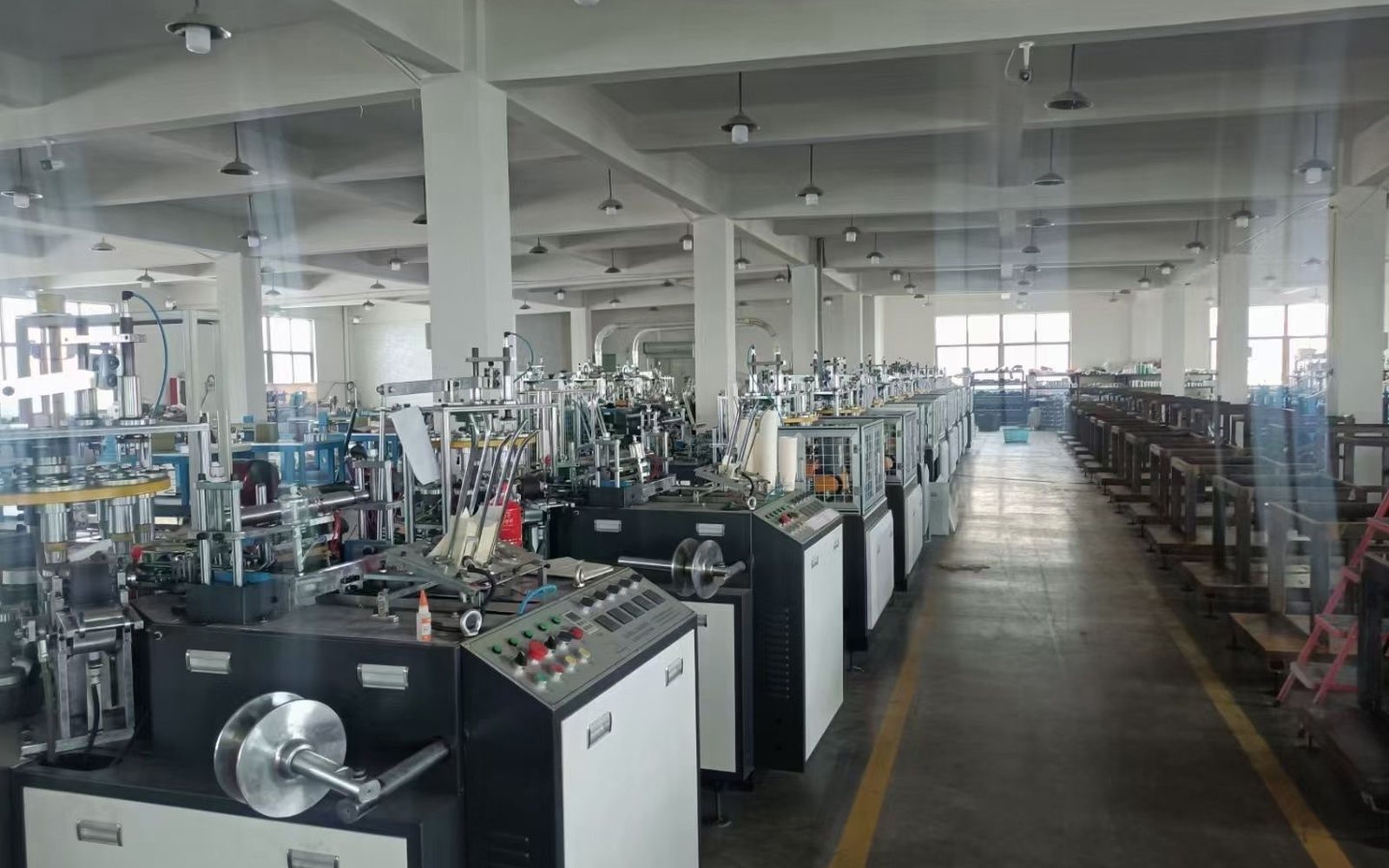
Start the supplier evaluation with your cup project
A useful supplier comparison begins with the finished product and production plan. Prepare cup samples or dimensions, paper GSM and coating, expected daily output, local voltage, available utilities, destination country and the equipment already available in your factory.
This information allows each supplier to respond to the same requirement. Without a common project brief, one quotation may cover a forming machine while another includes moulds, air equipment, collection or packing. The prices and speed statements will not be comparable.
Buyers who are still defining the machine range can review the paper cup machine selection checklist and the HANNAI paper cup machine range before sending inquiries.
Compare evidence, not only sales statements
| Evaluation area | What to request | What it helps confirm |
|---|---|---|
| Application fit | Cup range, material discussion and recommended configuration | Whether the proposal is based on your product rather than a generic model |
| Machine identity | Model, nameplate, main configuration and order reference | Which machine and options are actually being quoted |
| Test evidence | Agreed test cup, material, running conditions and inspection record | Whether the demonstration is relevant to the planned product |
| Quotation scope | Included moulds, accessories, spare parts, packing and documents | Which items are included, optional or supplied by the buyer |
| Delivery preparation | Utility requirements, layout information and shipping data | Whether the factory can prepare before the machine arrives |
| Support scope | Commissioning, training, remote support and warranty boundaries | Who is responsible at each stage after delivery |
Check whether the recommendation matches the finished cup
Ask the supplier to explain how the selected configuration relates to cup dimensions, paper material, coating, side-sealing method, output target and planned mould range. If several cup sizes will be produced, identify which sizes use the same machine range and which require different moulds or supporting equipment.
A responsible recommendation should also identify information that still needs confirmation. Final configuration may depend on a cup drawing, blank sample, paper test or local utility details. A supplier that asks specific project questions is usually giving you a more useful basis for comparison than one that sends only a model brochure.
Make every quotation use the same scope
Create a comparison sheet and place every quoted item on its own row. Include the forming machine, mould quantity, collection method, tools, agreed spare parts, documents, packing, transport terms, commissioning and training. Record exclusions and buyer responsibilities as clearly as included items.
If the project includes printing, die cutting, forming and packing, compare the complete workflow instead of adding unrelated machine quotations. The paper cup production line page explains the main equipment stages that may need to be discussed.
Define the test and acceptance evidence before ordering
A general machine video does not identify the cup material, fitted mould, test duration or quality result. Before ordering, agree on the evidence required before shipment. This may include machine identity photos, an agreed running test, finished-cup samples, inspection records, document checks and confirmation of ordered loose items.
Use a written test scope for important orders. Our paper cup machine FAT checklist provides a structured way to discuss machine identity, material, operation, cup inspection, documents and open actions.
Review documentation and factory preparation support
Confirm which documents will be supplied, in what language and at what stage. Depending on the agreed order, the document set may include operating information, electrical or pneumatic references, mould information, a packing list and maintenance guidance.
Ask for utility and installation information early enough to prepare power, compressed air, floor space, material storage and unloading. Late preparation can delay commissioning even when the machine arrives on schedule.
Clarify service responsibility before a problem occurs
After-sales service should be written as a practical workflow. Confirm how the buyer reports an issue, what machine and production data are required, which communication channels are used, how remote diagnosis is arranged and how replacement parts are identified.
Warranty language should identify the covered equipment, period, exclusions, evidence requirements and responsibilities for labor, travel, freight and consumable items. Do not rely on the word “warranty” without the operating details.
Watch for comparison warning signs
- The recommendation is made without asking for cup dimensions or material.
- The quotation uses a model name but does not define the included configuration.
- A speed statement is provided without identifying the cup and test conditions.
- Machine photos, nameplate information and test evidence do not identify the same equipment.
- Installation, training, spare parts and warranty responsibilities remain verbal.
- The supplier avoids recording changes or open items in the final order documents.
Frequently asked questions
Should I choose the supplier with the lowest price?
Compare the complete confirmed scope first. A lower figure may exclude moulds, support, documents, packing or supporting equipment that another quotation includes.
Is a factory video enough to verify a supplier?
No. A video can support an evaluation, but buyers should also verify the legal supplier identity, machine and order scope, relevant test evidence, documentation and service responsibilities.
What should I send to receive a useful recommendation?
Send cup samples or dimensions, paper GSM and coating, target output, cup range, voltage, destination country, factory condition and the supporting equipment you need.
When should FAT requirements be agreed?
Agree on the main test and evidence requirements before the order is finalized. This gives the supplier time to prepare the correct mould, material, records and inspection scope.
Send your cup specification, material, output target, voltage and required equipment scope through our inquiry page. HANNAI can prepare a configuration discussion around the same project information.