Paper cup machine after sales service should be assessed before the order, while responsibilities and deliverables can still be written into the purchase scope. A general promise of support does not explain how a fault is reported, which evidence is required or who performs local work.
Separate training, technical diagnosis, spare-parts supply, warranty terms and on-site attendance. These can have different conditions and costs. Ask the supplier to confirm the arrangement for the quoted configuration and destination without assuming every form of support is included.
Define the support route and responsibilities
Identify the contact route, working-language needs and information required to open a technical case. Agree how a case is acknowledged and escalated, and request any response commitments in writing. Do not turn an informal conversation into a published service guarantee.
Name the buyer's local contact and the personnel available for mechanical or electrical work. Remote guidance cannot replace every task that requires qualified on-site personnel. Record who decides when local intervention or a supplier visit is needed.
Check the documentation delivered with the machine
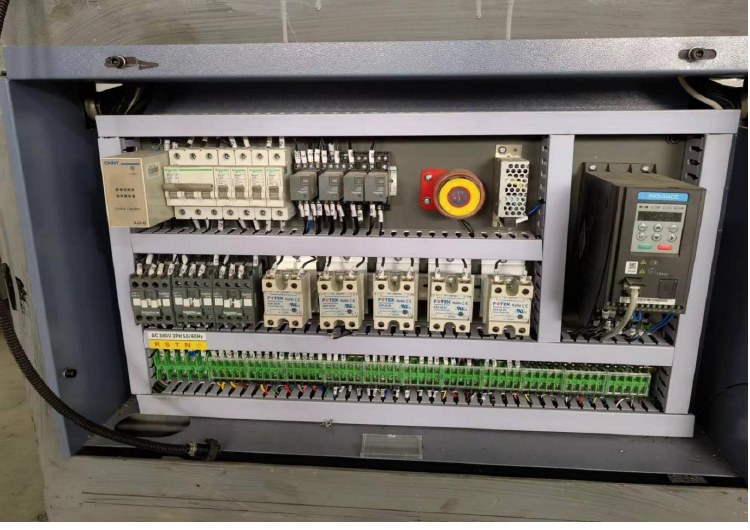
Request the current manual, relevant electrical information, spare-parts identification and approved application records. Keep the machine identity and configuration linked to those documents. A generic manual can leave operators uncertain about options or components fitted to their equipment.
Tie training to actual tasks: normal operation, checks described by the supplier, tooling changes where included and reporting a fault. Record which personnel were trained and which tasks need further instruction. Use the installation checklist to connect training and handover.
| Service area | Question before purchase | Evidence to retain |
|---|---|---|
| Technical case handling | What contact route and escalation apply? | Agreed support process |
| Operator training | Which tasks and delivery format are included? | Training scope and completion record |
| Spare parts | How are parts identified and ordered? | Configuration-specific part references |
| Warranty | What conditions and exclusions apply? | Confirmed written terms |
| Local intervention | Who supplies qualified site work? | Buyer/supplier responsibilities |
| Repair acceptance | How is successful recovery verified? | Agreed checks and production evidence |
Build a useful fault report
Provide the machine identity, cup/material reference, operating state, alarm message and time of occurrence. Describe what changed before the problem began and whether it repeats under the same conditions. Include clear photographs or videos taken within permitted site procedures.
Avoid changing several parameters while gathering evidence. Record authorized changes and their results so the support team can follow the sequence. Do not disclose control passwords or grant remote access outside the buyer's approved process. Qualified personnel should handle tasks that require opening electrical cabinets or accessing hazardous areas.
Identify spare parts by configuration
Ask for part numbers or other supplier-approved identifiers, quantities and compatible revisions. A photograph can help identify a part, but visual similarity alone does not prove interchangeability. Confirm replacements against the machine configuration before ordering.
Discuss recommended starting spares with the supplier and your local maintenance team. Review their storage needs, shelf-life information where applicable and replenishment arrangements. Do not invent a universal spare-parts percentage or assume that a part will always be stocked or shipped within a fixed interval.
Separate warranty from routine operating support
Read the confirmed warranty conditions and exclusions. Establish how a potential claim is reviewed, what evidence is required and who handles transport or local work. Keep wear parts and routine maintenance responsibilities distinct from the coverage actually agreed.
A warranty description does not establish the full cost of an interruption. Production losses, temporary workarounds and expedited logistics need their own planning assumptions. The total cost of ownership guide helps retain that boundary.
Verify recovery before closing a case
After an authorized repair or adjustment, follow the supplier's restart and verification procedure. Confirm the affected function and inspect cups under a defined trial. Record the material, tooling, test interval and accepted results instead of closing the case solely because the alarm disappeared.
Keep the repair history and any approved document revisions with the equipment record. If the same fault returns, that record helps distinguish an incomplete repair from a new condition. For pre-shipment application evidence, retain the FAT report as a comparison baseline.
Walk through one support case before agreeing the scope
Ask the supplier to explain what happens after a report of intermittent cup loss: who receives the case, which machine and application records identify it, what observations can be collected during normal operation, and which tasks need qualified local intervention. A useful process separates case acknowledgement, a proposed investigation, parts authorization and verified recovery. An acknowledgement is not a repair completion commitment.
Make the handoffs visible. If a component is considered for replacement, retain the compatibility decision and who authorizes the work. If an inspection cannot be performed through the available local resources, record the service gap rather than instructing an operator to improvise. Agree any attendance or logistics arrangements through the project process.
Close the technical result and remaining actions separately
For example, a replaced component may remove an alarm while the original cup defect still appears during the agreed trial. Keep the case open for that result; do not describe the part shipment or cleared alarm as successful recovery. Conversely, a production recovery can be recorded while a document update remains assigned as a separate open item. Preserve both decisions so a later recurrence is not investigated from an incomplete history.
Frequently asked questions
Does remote support mean every repair can be completed online?
No. Some work needs qualified local personnel or a separately agreed visit. Define those responsibilities before purchasing.
Should spare parts be ordered from photographs alone?
Use photographs as supporting evidence, then confirm identifiers and compatibility with the supplier.
Is warranty coverage the same as free routine maintenance?
No. Read the agreed terms and separate covered issues, wear items and maintenance responsibilities.
When should a technical case be closed?
After the agreed recovery checks and relevant production verification are recorded, with any remaining actions assigned.
Request a documented service scope
Send your destination, local maintenance resources, language needs and proposed machine application through the HANNAI inquiry page. Ask for the support, documentation and spare-parts scope alongside the equipment quotation.