A paper cup machine site acceptance test should verify installation, utilities, approved material, operator readiness and production results after the equipment reaches the buyer’s factory.
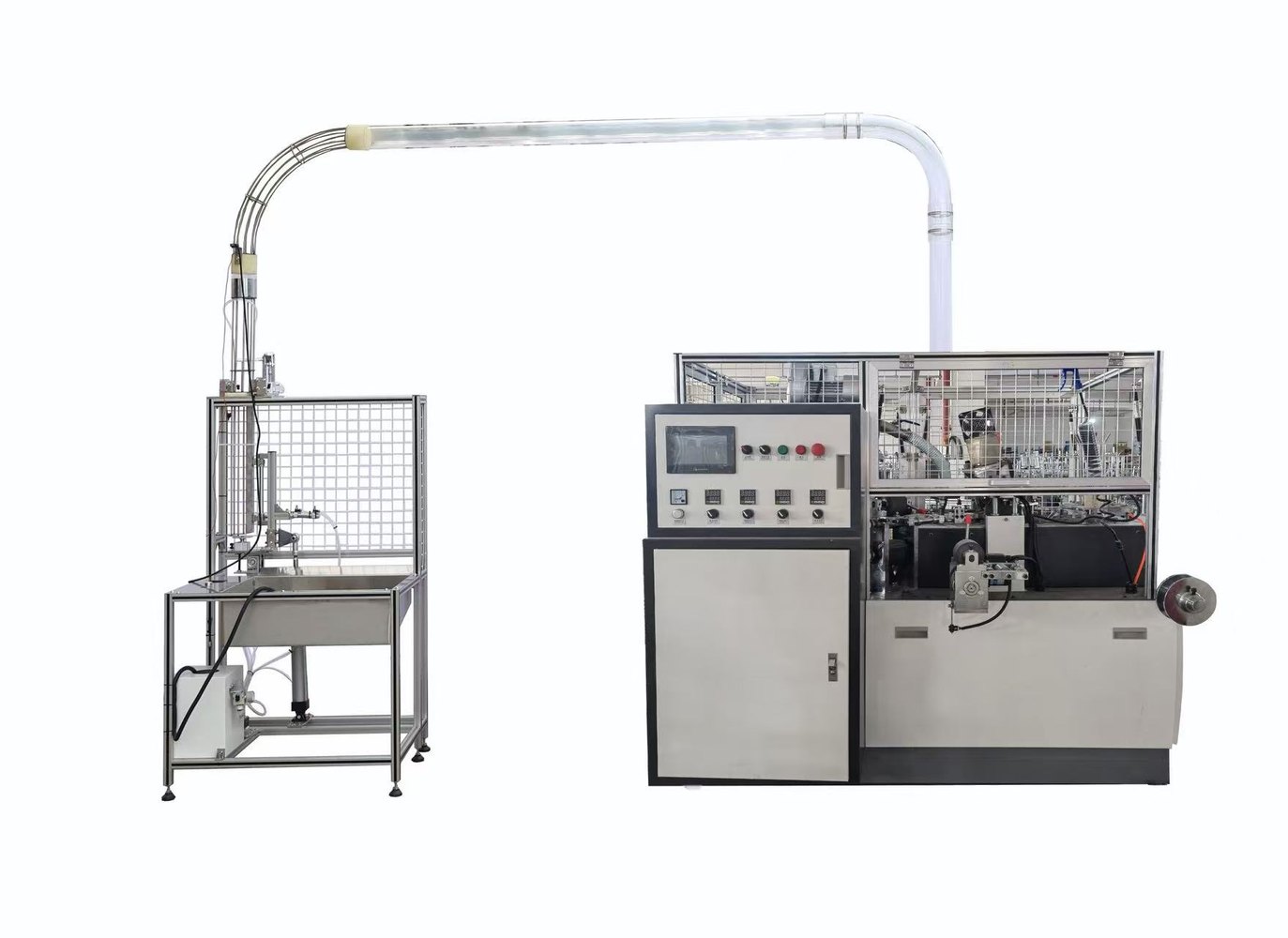
Understand what SAT should confirm
A site acceptance test, or SAT, takes place after delivery and installation at the buyer’s factory. It confirms how the ordered equipment performs with the actual site utilities, material flow, operators and agreed production product. SAT does not repeat every factory test; it closes the items that can only be verified at the final installation location.
Use the factory acceptance test checklist to compare pre-shipment evidence with the site result. Keep the purchase agreement, FAT report, packing list, installation record and open-action list available during SAT.
Prepare one site acceptance record
| SAT section | What to verify | Evidence to retain |
|---|---|---|
| Delivery condition | Machine identity, packages, visible damage and loose items | Arrival photos and signed receiving record |
| Installation | Position, leveling, connections, access and agreed supporting equipment | Installation checklist and layout reference |
| Utilities | Voltage, frequency, phase, air conditions and connection quality | Measured values and authorized sign-off |
| Material | Approved cup fan, bottom paper, GSM, coating and batch | Material labels and retained samples |
| Production test | Agreed cup, running period, stops, formed cups and accepted cups | Dated test sheet and identified samples |
| Handover | Training, documents, tools, spare parts and open actions | Signed handover and action register |
Check delivery condition before installation
Record the machine model, nameplate and package identity before moving components into position. Inspect crates, wrapping and exposed areas for signs of impact, moisture or missing items. Compare loose components, tooling, accessories and spare parts with the packing list.
Photograph any concern before removing packaging or attempting a repair. Notify the responsible supplier, carrier or insurer according to the shipping agreement. The shipping and unloading checklist provides a fuller arrival sequence.
Verify installation and access
Compare the installed position with the approved layout. Confirm space for material feeding, cup collection, operator work, cleaning, mould service and maintenance. Check that supporting equipment and transfer paths are positioned as intended.
Installation checks should follow the supplier documentation and be performed by qualified personnel. Record leveling, anchoring where applicable, connection status and any site modification. Review the installation and startup checklist before the first production run.
Measure utilities at the machine
Do not approve utilities from a country-level assumption or distribution-panel label alone. Authorized electrical personnel should verify the actual supply at the installed equipment, including the agreed voltage, frequency, phase, grounding and protection. Confirm compressed-air pressure, flow and quality according to the ordered configuration.
Record readings while the relevant equipment is operating, not only when idle. If forming, air supply and packing equipment run together, check that the factory utilities remain stable under the combined load.
Complete controlled startup checks
Before feeding production material, authorized personnel should follow the documented startup sequence and confirm guards, access doors, indicators, emergency stops and alarms within the agreed procedure. Safety devices must not be bypassed to accelerate the test.
Observe direction, abnormal vibration, unusual sound, leaks and loose connections. Stop and record any condition that requires correction. A production target should never take priority over safe commissioning.
Use the approved cup and production material
SAT should use the cup size, fan blank, bottom paper and coating agreed for the test. Record the material supplier, batch and storage condition. If substitute material is necessary, identify it clearly and state which acceptance conclusions remain open.
Different moulds and cup specifications may require separate checks. Use the paper material checklist and approved cup drawing to avoid evaluating the machine with unidentified inputs.
Define production and quality acceptance
Agree on the running period, planned stops, measurement method and sample quantity before the test begins. Record formed pieces and accepted cups separately. Note adjustments, material interruptions and operator interventions so the result has context.
Inspect the agreed points such as dimensions, rim, side seam, bottom condition, appearance, stacking and leakage method. Retain labelled samples from the accepted run. Rated speed alone is not sufficient evidence of saleable production.
Confirm operator training and handover
Operators should demonstrate the approved startup, normal running, stopping, cleaning, basic inspection and reporting sequence. Maintenance staff should understand the scheduled checks and escalation route. Record who attended, which topics were completed and what follow-up training remains.
Compare manuals, diagrams, settings records, tools and spare parts with the agreed scope. The operator training checklist helps organize a role-based handover.
Close SAT actions before final sign-off
Separate accepted items, observations and unresolved actions. Assign an owner, due condition and required evidence to every open point. Examples include a utility correction, revised setting sheet, replacement component or repeat production test.
Final acceptance should follow the purchase agreement and the documented result. Avoid closing a technical point with only an informal message when a measurable retest or signed record is required.
Frequently asked questions
What is the difference between FAT and SAT?
FAT is performed before shipment at the supplier’s factory. SAT is performed after installation and verifies the equipment with the buyer’s site utilities, material, operators and connected workflow.
Should every cup size be tested during SAT?
The required products depend on the accepted scope. List which moulds need full production tests, dimensional checks or later validation, and do not assume one cup proves every SKU.
Can SAT be completed without production material?
Installation and utility checks may be completed, but finished-cup performance remains open until the agreed material and product can be tested.
Who should sign the site acceptance record?
Use the roles defined in the purchase and commissioning plan. The record commonly needs authorized buyer and supplier representatives, with specialist sign-off for electrical or safety work where required.
Send your ordered configuration, cup specification, site utilities and acceptance requirements through our inquiry page. HANNAI can align the SAT discussion with the equipment and project scope.