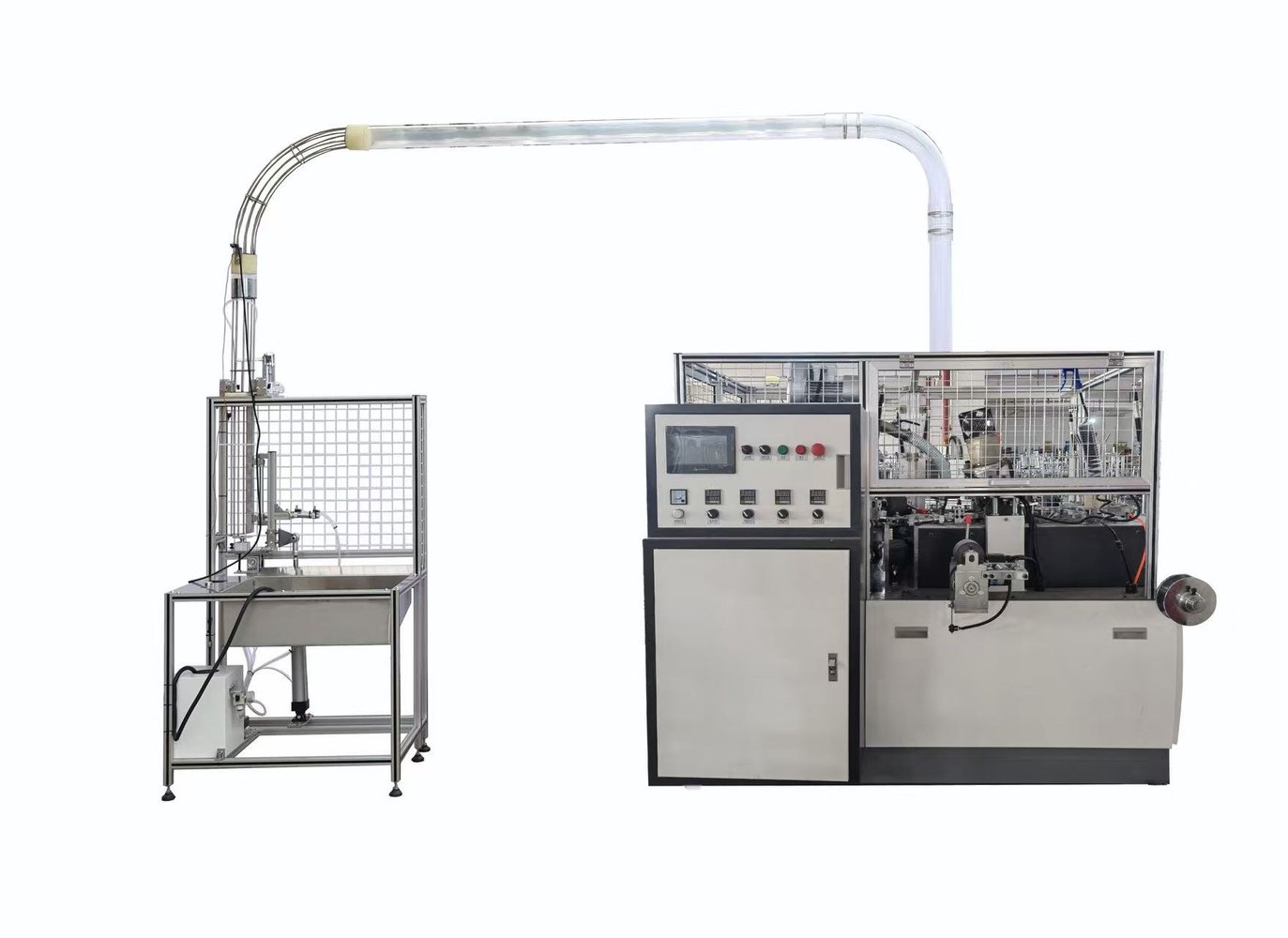
A paper cup machine shipping checklist should connect the supplier's packed equipment with the buyer's receiving and unloading plan. Delivery can be delayed even when the machine is ready if the final package information, access route or handling responsibilities are unresolved.
Prepare the plan before dispatch, then verify it against the actual shipment. This guide covers the information and evidence to coordinate. Lifting and movement must follow the supplier's approved handling instructions and qualified site planning.
Confirm what is being shipped
Identify the machine, installed configuration, tooling and loose accessories in the final packing record. Separate equipment supplied in different packages and identify items shipped later. An earlier quotation list should not replace the final shipment list.
Check document references and machine identity before the cases are closed. Record any agreed change to scope and its effect on installation. Keep photographs of identifiable equipment and packages where the shipping process allows them.
Obtain final package information
Request confirmed packed dimensions, weights, package count and handling information for the shipment. A website machine footprint cannot establish the shipping case dimensions or the load a handling contractor must assess.
Share the final information with the logistics and qualified receiving teams. If a package changes after planning, review the route and equipment again. Do not rely on an approximate machine size to confirm door access, floor suitability or a lifting arrangement.
| Delivery-control item | Information to obtain | Receiving check |
|---|---|---|
| Shipment identity | Machine and configuration references | Matches the purchase scope |
| Packages | Numbers, final dimensions and weights | Count and labels reconcile |
| Handling | Approved lifting/movement instructions | Qualified plan uses current information |
| Loose items | Tooling, spares and accessory list | Items checked and identified |
| Condition | Dispatch and arrival evidence | Damage or shortages recorded |
| Handover | Delivery, storage and installation responsibilities | Custody and open actions assigned |
Define responsibilities and the destination route
Record who arranges transport, unloading, temporary storage and final positioning. Use the confirmed commercial documents for delivery responsibilities; do not infer every destination charge or service from a brief quotation statement. Refer unresolved contractual details to the responsible buyer and logistics parties.
Review the physical route from arrival point to machine position, including openings, turns and access constraints. The qualified handling team should assess the necessary equipment using current package and machine information. Keep the factory layout plan consistent with that route.
Inspect condition before movement and unpacking
Check package labels, count and visible condition according to the agreed receiving process. Photograph damage and preserve relevant delivery records. Notify the responsible supplier and logistics contacts promptly, using their documented process rather than an invented universal claims deadline.
Keep original evidence and distinguish observations from conclusions. A damaged case does not prove the machine is damaged, and an intact case does not establish that every internal item is complete. Arrange the appropriate inspection before accepting uncertain equipment for use.
Reconcile the unpacked contents
Compare the unpacked equipment and loose items with the final packing list. Identify tooling and spares before transferring them to storage. Record shortages, uncertain items and condition findings with an owner and next action.
Follow the supplier's instructions for transport restraints, preservation and preparation. Do not energize or operate equipment merely because unpacking has finished. Keep receiving acceptance separate from the installation and startup process.
Protect equipment while installation waits
If equipment cannot be installed immediately, obtain the supplier's storage and preservation instructions for the actual configuration. Retain access to necessary identification while protecting documents and loose components from loss.
Record any movement, exposure or condition change during storage. When installation begins, review the earlier findings and confirm that unresolved transport or preservation issues have a disposition. A new installation team should not inherit only a verbal statement that everything arrived safely.
Transfer the receiving record into commissioning
Provide the installation team with machine identity, condition evidence, received document references and the list of unresolved items. Identify who can authorize further inspection or release of affected equipment.
Use the site acceptance checklist for the later installed-machine evaluation. Receipt, installation and production acceptance provide different evidence and should have distinct sign-offs.
Frequently asked questions
Can unloading be planned from the website dimensions?
Use final shipment information and approved handling instructions. Equipment footprint and packed dimensions are different quantities.
Who should select lifting equipment?
The qualified handling team using confirmed loads, route information and supplier instructions, within the agreed responsibilities.
Does an undamaged case prove shipment completeness?
No. Reconcile package counts and unpacked items against the final packing record.
Can receiving acceptance replace machine startup checks?
No. Receiving, installation readiness and production acceptance are separate stages.
Prepare a delivery-coordination brief
Send the destination, site access constraints, receiving resources and planned installation date through the HANNAI inquiry page. Ask which package and handling information will be available before dispatch.