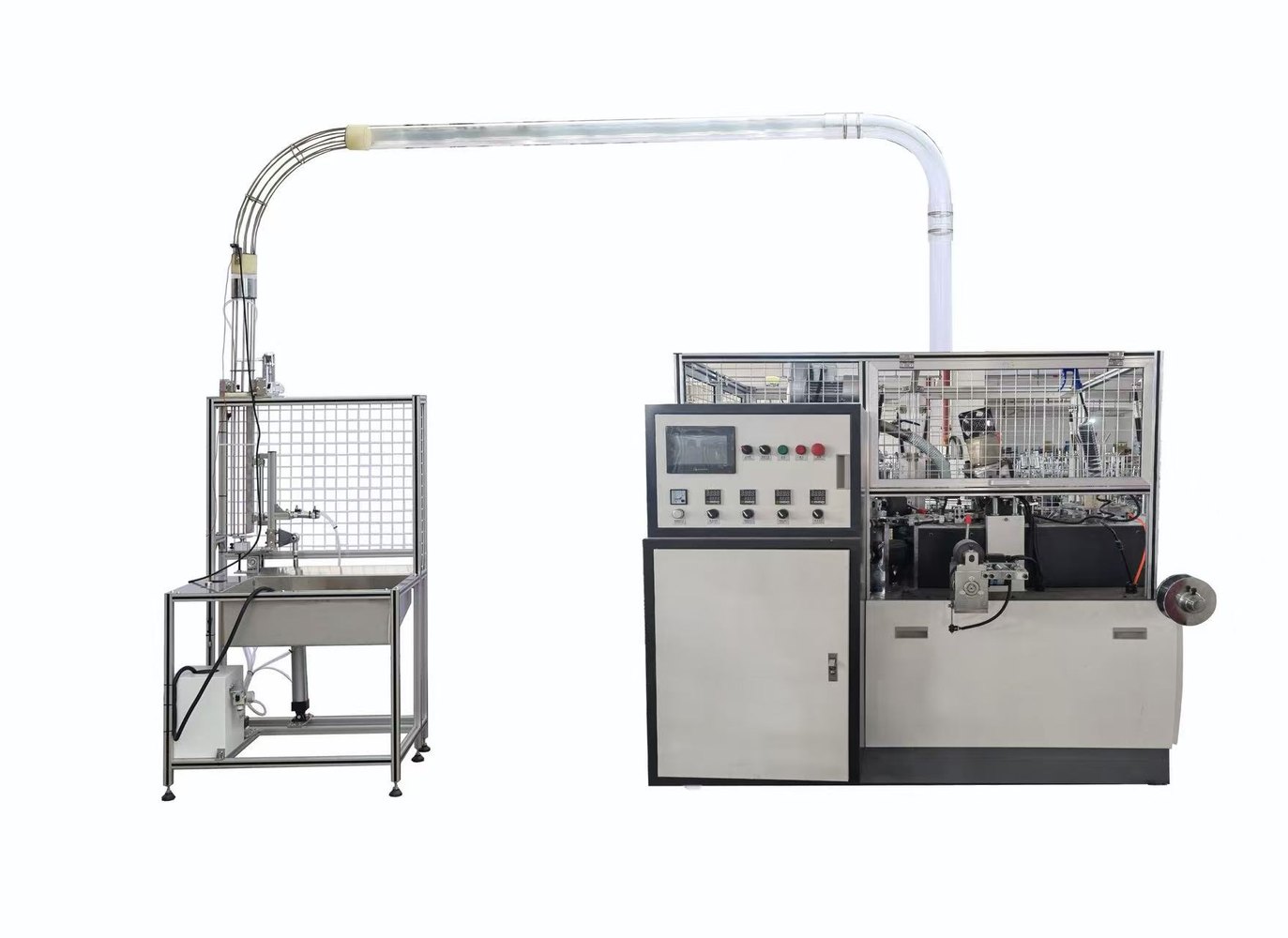
A paper cup machine site acceptance test evaluates the equipment after installation under the buyer's actual site conditions. Passing a pre-shipment demonstration provides a useful baseline, but it does not establish that utilities, material handling and connected equipment work correctly at the destination.
Agree the SAT scope before commissioning. Identify the application, methods, acceptance criteria and people authorized to sign the record. Separate production release from contractual acceptance where the project uses different responsibilities for those decisions.
Define the installed test boundary
List the machine, configuration, tooling, cup drawing and material references. State which connected collection or packing processes are included and which are tested separately. Identify the document revision supporting installation and operation.
Compare the boundary with the factory acceptance test. A different paper, cup or process arrangement is a changed application, not a directly equivalent repetition of the FAT.
Close receiving and installation issues first
Review machine condition, packing-list reconciliation and any unresolved transport findings. Verify that required positioning and installation work have been completed by the responsible personnel. Keep an open-item list with evidence and ownership.
Use the shipping checklist and installation checklist as linked records. SAT should not hide unfinished installation behind a successful short production trial.
Verify utilities at the installed machine
Have qualified personnel confirm electrical suitability against the supplied configuration and local requirements. Record relevant connection and verification documents. For compressed air, record the measurement point and operating conditions requested by the supplier.
Assess the simultaneous line conditions included in the project. A utility available somewhere in the building does not establish suitability at the machine while other loads operate. Identify missing measurements as open evidence, not automatic failures or passes.
| SAT section | Record to retain | Acceptance question |
|---|---|---|
| Installed identity | Machine/configuration and document references | Is this the agreed equipment? |
| Site readiness | Receiving, positioning and utility evidence | Are required site conditions demonstrated? |
| Application | Cup, tooling and material identities | Does the trial represent intended production? |
| Performance | Time records, stops and accepted counts | Does it meet the agreed output criterion? |
| Quality | Identified samples, methods and results | Does the cup meet its specified requirements? |
| Handover | Training, documents and open actions | Is the release decision supported and assigned? |
Use representative material and trained personnel
Provide the intended fans and bottom stock with lot identity. Verify the approved drawing and tooling before loading. If substitute material is used, document which application claims remain unverified and who will arrange the remaining trial.
Record personnel roles and training status. A production demonstration led entirely by the commissioning team may not show that the buyer's assigned operators can perform their required tasks. Use the operator training checklist to separate those outcomes.
Measure output and inspection on an agreed basis
Define the test interval, treatment of stops and count categories before starting. Retain formed counts, accepted counts and rejected production under consistent definitions. A speed-setting display does not replace an actual output record.
Inspect dimensions, seams, bottom integrity, rim and relevant handling or packing requirements using approved methods. Do not invent a test duration, tolerance or allowable reject level for all machines. The buyer and supplier should agree the criteria for the actual application.
Investigate FAT-to-SAT differences with evidence
If site results differ from the factory baseline, compare material, configuration, utilities, operator tasks and process interfaces. Identify a specific difference before attributing the cause to transport, the machine or local operation.
Retain authorized adjustments and subsequent test results. A changed setup may achieve acceptable production, but the new approved reference and any remaining qualification need to be recorded. Avoid calling the original application fully verified if the test boundary changed.
Sign off results and remaining actions clearly
Mark each criterion passed, failed, deferred or not tested. Assign owners, required evidence and retest conditions to unresolved items. If a conditional release is authorized, identify its exceptions and operating limitations in the record.
Keep the signed test report, relevant samples, current documentation and training evidence with the equipment handover. Review unresolved items to closure rather than letting SAT completion become an informal statement that the machine is running.
Frequently asked questions
Does FAT remove the need for site acceptance?
No. FAT and SAT evaluate different conditions. Use the factory record as a baseline for the installed application.
Can SAT pass with substitute paper?
It can demonstrate the substitute application, but intended-material claims remain limited until their required evidence is obtained.
Is an operating-speed display sufficient output evidence?
No. Use actual counts and the agreed time boundary, including the declared treatment of interruptions.
Who should sign the SAT report?
The authorized project roles identified in the acceptance plan, with quality, technical and contractual responsibilities clear.
Prepare a site-acceptance brief
Send the application, installation status, utility records and proposed acceptance criteria through the HANNAI inquiry page. Identify differences from the factory trial before scheduling SAT.