A paper cup pre-production sample approval should freeze the product reference, material, tooling, inspection method and release authority before bulk production begins.
Define what the approved sample controls
An approved sample is a physical reference linked to a controlled cup specification. It can support visual, dimensional, forming and packing decisions, but it does not replace drawings, material documents, test methods or applicable food-contact and market requirements.
State whether approval covers appearance only, machine setup, functional performance, packaging, or a defined combination. Avoid using one sample as evidence for characteristics that were never tested.
Freeze the input revision before the trial
Confirm the cup drawing, dimensions, material and coating, artwork, cup-fan layout, bottom-paper specification, mould identity, packing requirement and customer revision. Mark superseded information so it cannot be used accidentally.
The cup-size matching guide explains why rim, height and bottom dimensions must be treated as a complete geometry rather than one nominal ounce value.
Build one approval record
| Approval area | Evidence to record | Release question |
|---|---|---|
| Identity | SKU, drawing and artwork revision, customer or project | Is this the intended product? |
| Material | Cup-fan and bottom-paper codes, batches, GSM and coating specification | Were approved inputs used? |
| Equipment | Machine, mould, change parts and relevant setup record | Can the condition be reproduced? |
| Product | Dimensions, seam, bottom, rim, shape, print and stacking criteria | Does the sample meet agreed acceptance? |
| Test | Method, quantity, result, date and responsible person | Is the evidence complete? |
| Disposition | Approved, conditional, rejected or retrial required | May bulk production begin? |
Prepare the machine and material consistently
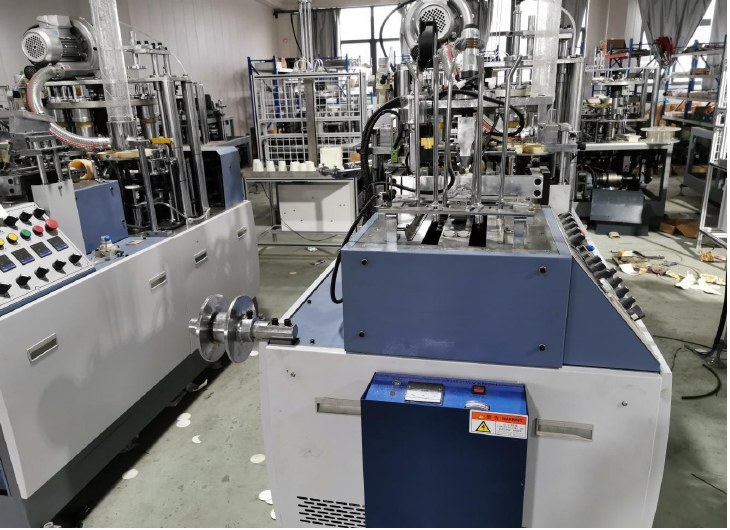
Complete required safety, cleaning, tooling and material checks before the trial. Identify the machine and mould, record relevant settings according to the manufacturer’s procedure, and confirm that utilities and supporting equipment are stable.
Use released material in sufficient quantity for setup and representative sampling. The installation and startup checklist provides a broader readiness sequence for new equipment.
Separate setup pieces from approval samples
Early pieces used for adjustment should not be mixed with samples offered for approval. Begin the approval sample only after the defined operating condition is stable and the team has removed setup defects.
Record the production window from which samples were taken. If samples are selected only from hand-picked pieces over a long period, they may not represent the normal process.
Check dimensions with the agreed method
Measure the specified rim, height, bottom or other dimensions using the defined tool, location and method. Record results rather than only writing “pass.” Measurement responsibility and acceptance limits should come from the controlled specification.
Do not infer machine capability from one cup. Use the agreed sampling and process-validation plan when statistical evidence is required.
Review forming and appearance
Inspect side seam, bottom formation, rim, shape, surface condition, contamination, print position and stacking as applicable. Define defect names with photos or retained examples so different inspectors use the same language.
If a defect is found, record its location, frequency and immediate condition. The leakage and quality checklist helps organize forming-stage observations.
Run functional tests by an agreed procedure
Leakage, fill, stacking, lid fit or other functional checks should use a documented method that states sample quantity, test medium, duration, temperature or load when relevant, and acceptance decision. Select only tests applicable to the intended cup.
Food-contact compliance, migration testing and market certification require appropriate supplier documents or qualified external testing. A machine trial alone cannot prove regulatory compliance.
Include packing and downstream handling
Confirm the cup releases, stacks, counts and enters the intended bag or carton without unacceptable damage. Check label and pack quantity against the approved requirement.
A cup that passes forming inspection but fails stacking or packing can still disrupt production. Use the packing options guide when defining the downstream scope.
Control deviations and conditional approval
Do not convert an open defect into silent acceptance. A conditional approval should state the exact deviation, temporary action, responsible owner, expiry or affected quantity, and whether a new sample is required.
Changes to material, artwork, geometry, tooling or critical process conditions should trigger a documented review. The responsible quality or customer authority decides whether partial or full reapproval is necessary.
Retain samples and release bulk production
Mark retained samples with SKU, revision, material batch, machine or mould identity, date and approval status. Store them so damage, fading or mix-up does not turn the reference into misleading evidence.
Release bulk production only after required signatures or electronic approvals are complete and the current reference is available to production and quality staff. Archive rejected and superseded status clearly.
Keep sample approval separate from FAT and SAT
A factory acceptance test checks the agreed machine scope before shipment, while a site acceptance test checks installation and operation after delivery. A product sample approval controls a specific cup and process reference. These records can support one another but are not interchangeable.
Use the FAT checklist and site acceptance checklist for their respective project stages.
Frequently asked questions
How many cups should be approved?
Use the quantity defined by the buyer’s quality plan, risk and test methods. One universal sample quantity is not appropriate for every project.
Can a photo replace a retained sample?
A photo supports visual records but may not show dimensions, material, feel, stacking or functional performance. Use it as supporting evidence.
When is reapproval required?
Review reapproval after changes to specification, material, artwork, tooling, process condition or any other factor defined by the quality procedure.
Who should release bulk production?
The authorized role named in the buyer’s or factory’s quality process should release production after all required evidence and deviations are closed.
Send your cup drawing, material, coating, sample criteria, output target and packing requirement through our inquiry page. HANNAI can discuss equipment configuration and trial information for the project.