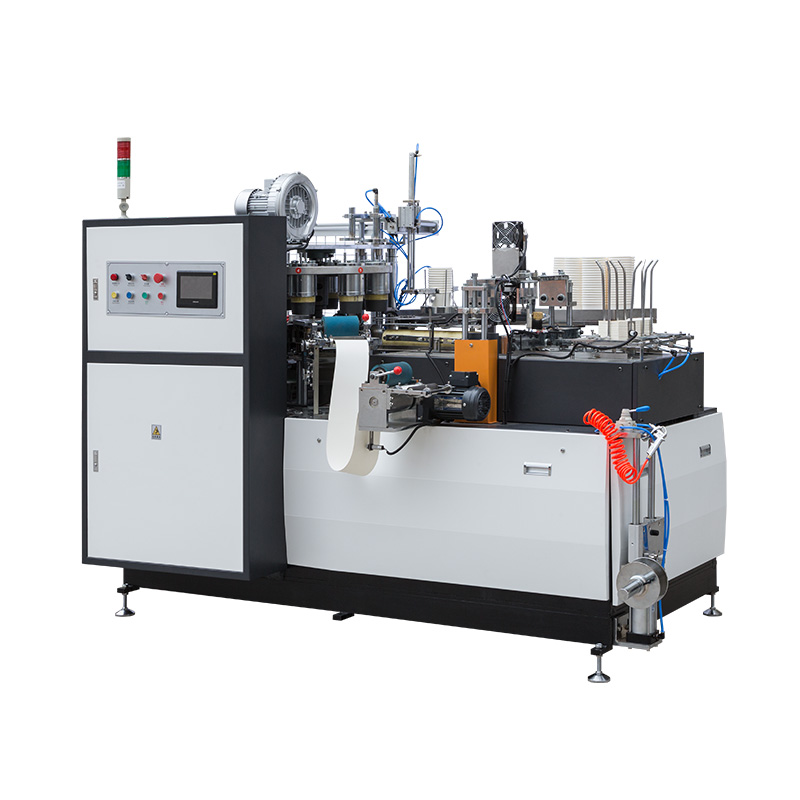
A paper cup machine cleaning and hygiene plan should define safe isolation, cleaning zones, approved methods, inspection evidence and responsibility for every production shift.
Separate cleaning from maintenance
Cleaning removes paper dust, scraps, residues and contamination risks. Maintenance checks wear, lubrication, alignment, fasteners and component condition. The activities may be coordinated, but they require different instructions, tools, records and release decisions.
Use the maintenance checklist for technical inspection tasks. Do not treat extra lubricant, adjustment or compressed-air blowing as a substitute for a controlled cleaning method.
Build a zone-based cleaning matrix
| Machine area | Typical control | Release evidence |
|---|---|---|
| Material feed | Remove loose dust, scraps and mixed SKU material | Correct material and clear feed path |
| Forming area | Clean accessible surfaces by the approved safe method | No visible residue or foreign material |
| Transfer and collection | Remove fallen cups, fragments and packing debris | Clear product path and correct container |
| Guards and exterior | Wipe accessible non-product surfaces with approved tools | Clean, closed and correctly fitted guards |
| Floor and surroundings | Control dust, waste, water and unrelated items | Safe access and clean production zone |
| Cleaning tools | Identify, inspect, clean and store by area | Complete tool count and storage record |
Make safe isolation the first step
Before reaching into guarded, moving, heated, pneumatic or electrical areas, follow the machine manufacturer’s instructions and the factory’s approved energy-isolation procedure. Only trained and authorized personnel should remove guards or enter restricted areas.
Cleaning instructions should state the machine condition required, who controls the isolation, how stored energy is handled and who may release the machine afterward. Local safety requirements remain the buyer’s responsibility.
Use only approved cleaning methods
Define the brush, vacuum, cloth or other method for each area instead of telling operators simply to “clean the machine.” Confirm that tools and materials do not damage sensors, wiring, heated parts, coatings, belts, seals or finished cups.
Do not apply water, solvents or chemicals without written compatibility and hygiene approval. Electrical cabinets and components require qualified service procedures, not routine wet cleaning.
Control paper dust and loose scraps
Paper dust can collect around feeding, forming, transfer and collection points. Remove it at a defined frequency before it spreads or hides an inspection point. Use a method that captures debris rather than moving it into another machine area.
Separate normal trim and setup scraps from abnormal contamination or damaged material. The waste reduction guide helps classify losses by material preparation, setup, forming and handling stage.
Prevent SKU and material mix-ups
At the end of an order, remove remaining cup fans, bottom paper, trial pieces, labels and packing materials according to the job-close procedure. Check hidden accumulation points before the next SKU is released.
Keep returned material identified and protected. The raw material storage guide explains how batch status and line returns should remain traceable.
Define when cleaning is required
Create shift, daily, changeover and planned deep-clean tasks as appropriate for the machine and factory. Add event-based cleaning after spills, foreign-material findings, prolonged stops, maintenance work or any condition defined by the hygiene plan.
The correct frequency depends on the cup material, dust level, operating hours, machine configuration and factory rules. Use inspection evidence to improve the schedule instead of copying one universal interval.
Control cleaning tools and consumables
Identify tools by use area when cross-contamination is a concern. Keep them clean, intact and stored away from raw material and finished cups. Replace brushes, cloths or other items that shed, break or can no longer be verified clean.
Record consumable identity when required by the quality system. Do not leave loose screws, cloth pieces, brushes or chemical containers inside guards or on machine frames.
Inspect before production release
After cleaning, confirm that waste and tools are removed, guards are restored, materials match the next job and the work area is dry and safe. An authorized person should complete the hygiene or line-clearance release before startup.
Inspect initial cups for visible foreign material, surface damage and other agreed criteria. Use the sample approval checklist when a new or changed SKU requires formal release.
Record findings, not only completion
A cleaning record should show date, shift, machine, job or SKU, areas completed, abnormal findings, responsible person and release result. Photograph unusual contamination or damage when this supports investigation.
Escalate repeated dust, oil, water, fragments or foreign material to the responsible maintenance and quality teams. A ticked box does not close an unresolved source.
Review hygiene after maintenance work
Maintenance can introduce tools, parts, lubricants, packaging and disturbed dust. Require a tool-and-part count, removal of service materials, restored guards and a cleaning inspection before production restarts.
Link the cleaning release to the maintenance ticket so the factory can show what work occurred and how the machine returned to production condition.
Frequently asked questions
How often should a paper cup machine be cleaned?
Use a validated shift, daily, changeover and event-based plan for the actual material, machine, operating hours and factory hygiene requirements.
Can compressed air be used for all cleaning?
No universal method is suitable for every area. Follow the manufacturer and factory procedure and avoid spreading dust into products, sensors or restricted components.
Who should release the machine after cleaning?
The authorized production or quality role named in the factory procedure should verify line clearance, guard restoration and readiness before startup.
Should cleaning chemicals be used on the machine?
Only use materials approved for the exact surface, process and hygiene requirement. Confirm compatibility, application and residue controls before use.
Send your cup material, production schedule, factory requirements and required machine configuration through our inquiry page. HANNAI can discuss equipment layout and operating-information needs for the project.