Paper cup sidewall fan blanks must arrive at the forming machine with the correct identity, cut condition, print orientation and feed status. A controlled handoff prevents mixed artwork, damaged edges and avoidable first-piece defects.
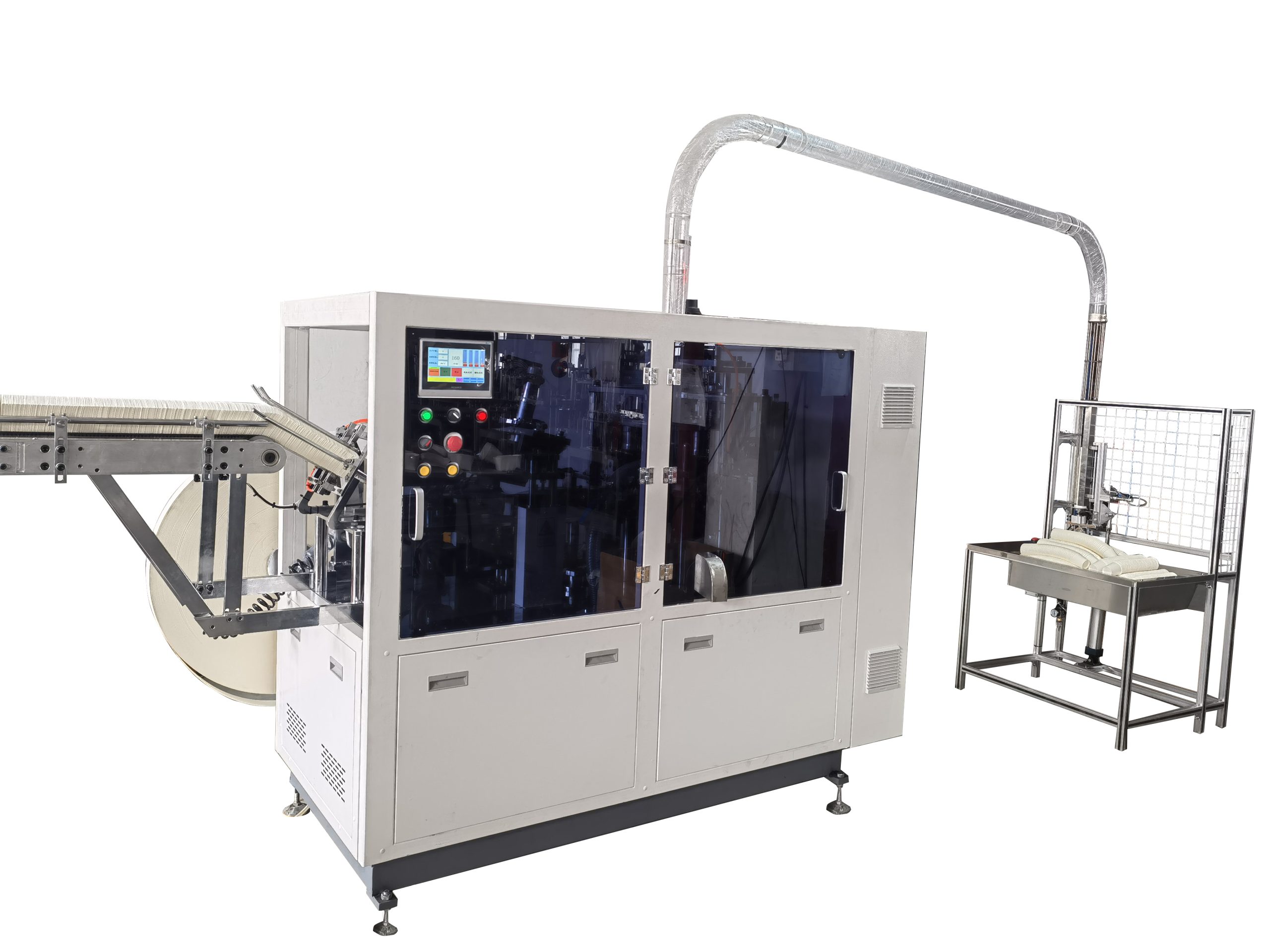
Treat fan blanks as controlled forming inputs
A sidewall fan blank is not only a printed piece of paper. Its material, coating direction, cut profile, artwork position, seam areas and orientation must match the approved cup and forming configuration. Similar-looking blanks can still belong to different orders or moulds.
Control the path from die cutting or incoming inspection through staging, feeder loading and first-good approval. The paper cup blank and die cutting guide covers upstream blank preparation; this guide focuses on the finished fan blank as it enters cup forming.
Use one fan-blank release checklist
| Control point | Evidence to verify | Release question |
|---|---|---|
| Order identity | Customer, SKU, artwork revision and production order | Does this stack belong to the scheduled cup? |
| Material | Paper, coating structure, batch and approved specification | Is the material released for this forming process? |
| Cut profile | Approved drawing, edges, corners and visible deformation | Can the blank enter the feeder without unexplained damage? |
| Print and orientation | Top/bottom direction, inside/outside face, seam and artwork references | Will the blank form in the intended direction? |
| Stack condition | Alignment, contamination, moisture exposure and mixed status | Is the stack protected and clearly identified? |
| Feeder preparation | Machine, mould, guides and approved loading procedure | Are pre-start checks complete? |
| First-good cup | Seam, print position, shape, rim, bottom and release record | May normal production begin? |
Freeze material, artwork and revision identity
Label each blank stack or controlled container with the production order, cup SKU, material batch, artwork revision, quantity and inspection status. Keep rejected, held and released material physically distinguishable.
The blank record should connect to the approved paper information in the paper material checklist. When the material, coating, supplier, dieline or artwork changes, confirm whether a new forming trial or customer approval is required.
Inspect cut condition without inventing a universal tolerance
Compare the fan profile with the controlled drawing and approved reference. Look for rough or crushed edges, tears, burr-like fibres, distortion, sticking pieces, incorrect corners or other visible conditions defined by the factory. Sample measurements must use the project-specific method and limits.
Do not accept a stack only because the top blank looks correct. Sample from suitable positions in the stack or batch according to the inspection plan, and preserve the relationship between findings and the cutting lot.
Verify print position and forming orientation
Confirm the top and bottom edges, inside and outside faces, main viewing panel and side-seam direction. Critical graphics, small text and codes should match the released artwork and stay clear of functional areas according to the approved dieline.
The artwork and registration checklist explains how print position is followed through printing, cutting and forming. At the machine, use a marked reference blank or approved sample rather than relying on operator memory.
Protect blank stacks during staging
Keep blanks flat, covered and identified. Prevent edge impacts, bending, contamination, uncontrolled moisture exposure and mixing between orders. Define how long opened material may remain line-side and how partial stacks return to controlled storage.
Do not remove labels when transferring blanks to another container. If traceability must be split, create a new controlled label that keeps the original material and cutting-batch relationship.
Prepare the feeder before loading
Confirm the scheduled machine, mould and approved setup reference. Clear remnants from the previous order, inspect accessible feeder surfaces and guides, and verify that sensors and guards are in their normal authorized condition.
Only trained personnel should load or adjust the feeder using the manufacturer’s procedure. Do not reach into moving parts, bypass guards or improvise a setting. The operator training checklist can define permitted adjustments and escalation points.
Observe feeding before releasing the full run
During the controlled start, watch for double feeding, missed feeding, skewed pickup, edge contact, sticking or repeated stops. Separate whether the evidence follows the blank stack, feeder preparation or machine condition before changing several variables.
For higher-output configurations such as the HN-SF160 paper cup machine, stable upstream blank preparation remains part of the project discussion; final feeder and cup configuration depend on the confirmed sample and material.
Approve the first good formed cups
Inspect the first controlled cups for artwork orientation, seam position and appearance, cup shape, rim, bottom formation and the functional checks defined for the product. Link results to the blank batch, machine, mould, time and approver.
Use the pre-production sample approval checklist when the cup, blank, material or configuration is new or materially changed. Normal production should start only after the authorized release decision.
Contain abnormal blanks and affected output
When mixed identity, feed instability or a formed-cup defect is found, identify the affected blank stacks and production window. Preserve samples and record the last acceptable check, first abnormal check and any recent material or setup change.
The defect classification and containment guide helps control suspect cups while quality, production, cutting and purchasing teams investigate the source.
Frequently asked questions
Can fan blanks for similar cup sizes be mixed?
No. Similar appearance or nominal capacity does not prove the same dieline, artwork, material, seam allowance or forming compatibility.
What should be checked before loading a blank stack?
Confirm order identity, material, artwork revision, cut condition, orientation, stack status, feeder preparation and the required first-good plan.
Does a feeding problem always mean the feeder is incorrectly adjusted?
No. Sticking, damaged or mixed blanks, stack condition, guides, sensors and machine condition can create similar evidence. Investigate before changing settings.
When should a new formed-cup sample be approved?
Use the project’s change rules, especially after a new cup, material, supplier, dieline, artwork, mould or relevant feeder configuration.
Send your cup drawing or sample, fan-blank specification, material, target output and destination through our inquiry page. HANNAI can discuss blank-feeding and forming-machine configuration requirements.