Paper cup stackability and de-nesting inspection checks whether approved cups form a stable stack and separate consistently for packing, handling or the intended dispensing process.
Evaluate the cup stack as a system
A cup may pass an individual visual check but still nest too tightly, sit unevenly or separate inconsistently in a stack. These problems can affect counting, packing, dispensing and customer use.
Approve the exact cup, material, mould, production condition and intended downstream use. Stack height, nesting behavior and withdrawal criteria must come from the customer, packing equipment, dispenser supplier or factory specification rather than a universal value.
Build a practical stackability inspection plan
| Control point | What to check | Evidence to record |
|---|---|---|
| Cup identity | SKU, drawing, material, mould and production batch | Approved combination and revision |
| Individual cup | Rim, shape, sidewall, seam and bottom condition | Sample findings before stacking |
| Reference stack | Defined cup count, alignment and support method | Method and approved reference |
| Nesting behavior | Uniform engagement, leaning, binding or excessive looseness | Observed position and affected samples |
| De-nesting | Separation using the agreed manual or equipment method | Pass/fail result and test conditions |
| Sampling | Start, in-process, restart and batch-change checks | Machine, mould, time and operator |
| Packing and transport | Count, bag/carton fit and condition after handling | Packing lot and final release |
| Change control | Material, tooling, setting, supplier or packing change | Reapproval decision and effective lot |
Define an approved reference stack
Specify the cup SKU, sample count, stacking direction, support surface, conditioning or storage state, handling method and intended separator or packing interface. Keep an approved labelled sample where practical.
A nominal cup size alone is not sufficient. The cup-size and machine matching guide explains why the complete cup profile and forming configuration must be confirmed.
Inspect individual cups before stacking
Check rim continuity and shape, sidewall profile, seam condition, bottom formation, visible deformation and contamination. One distorted cup can change the behavior of the entire sample.
Use the controlled drawing and approved inspection method for any measurement. Do not force an abnormal cup into the stack or remove it without recording the reason, because that would hide the production evidence.
Create the stack consistently
Use the same defined cup count and stacking motion for comparison. Keep the sample on the agreed surface and avoid compressing it by hand unless the approved method specifically requires a controlled action.
Observe leaning, gaps, uneven engagement, cups sitting at different depths, local binding or damage created during stacking. Photos can support the record, but they do not replace the approved dimensional or functional assessment.
Test de-nesting for the intended use
De-nesting may be manual, part of an automatic packing process or related to a customer dispenser. Use the actual or representative method defined for the project. Record the direction of separation, cup count, sample condition and result.
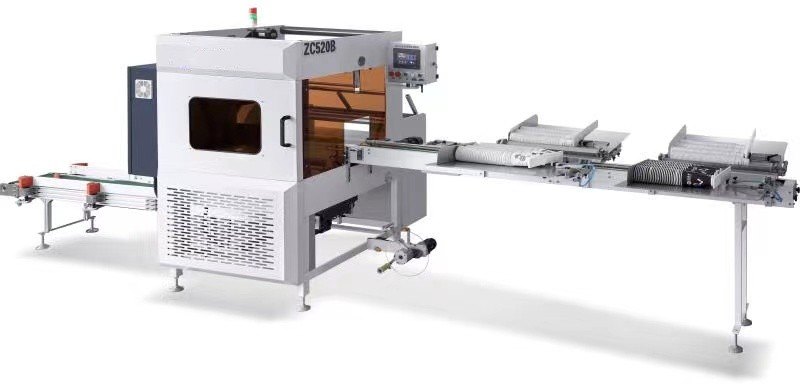
If automatic equipment is involved, qualified personnel should define the interface and safe test procedure. The paper cup packing machine guide helps buyers identify cup, count and packaging information needed before equipment selection.
Sample throughout the production window
A first stack proves only the sampled moment. Repeat checks at approved intervals and after events that can affect cup geometry, including a material batch change, mould work, relevant adjustment, extended stop or restart.
Link every result to the production order, machine, mould, material batch and time. The quality inspection and sampling guide provides a framework for locating the affected production window.
Separate symptoms from possible causes
Tight or inconsistent separation can be associated with cup profile, rim or seam variation, bottom formation, deformation, material behavior, storage condition or packing pressure. A leaning stack may point to uneven geometry or damage, but one symptom does not prove one cause.
Compare approved and abnormal samples while holding other variables stable. Avoid changing several machine settings before the evidence has been classified.
Connect stack quality with packing and storage
Verify that the approved stack fits the planned bag, sleeve, carton or packing-machine route without damaging rims or distorting cups. The paper cup packing options guide can help define the required count and presentation.
After packing, protect cups from crushing, heat, moisture and uncontrolled loading. Use the finished-goods storage and dispatch guide to keep packing lots identified through shipment.
Contain and investigate abnormal stacks
When a sample fails, hold the affected production and identify the last acceptable and first abnormal checks. Preserve complete stacks rather than only isolated cups when the interaction is important.
Use consistent defect language and an authorized disposition. The defect classification and containment guide supports segregation and investigation without mixing accepted and suspect output.
Frequently asked questions
Is stack height alone enough to approve paper cups?
No. Stack alignment, nesting consistency, cup condition, separation behavior and the intended packing or dispensing method may also be relevant.
How many cups should be used in a de-nesting test?
Use the quantity defined by the approved product, customer, packing-equipment or quality plan. There is no single universal count.
Does tight de-nesting always mean the cup taper is wrong?
No. Rim, seam, bottom, deformation, material, storage and packing conditions can create similar evidence. Compare controlled samples before assigning a cause.
When should stackability be reapproved?
Review relevant changes to the cup drawing, material, mould, process, supplier, packing method or downstream equipment and document the decision.
Send your cup drawing or sample, stack and separation requirement, packing format, target output and destination through our inquiry page. HANNAI can discuss forming and packing configuration considerations.