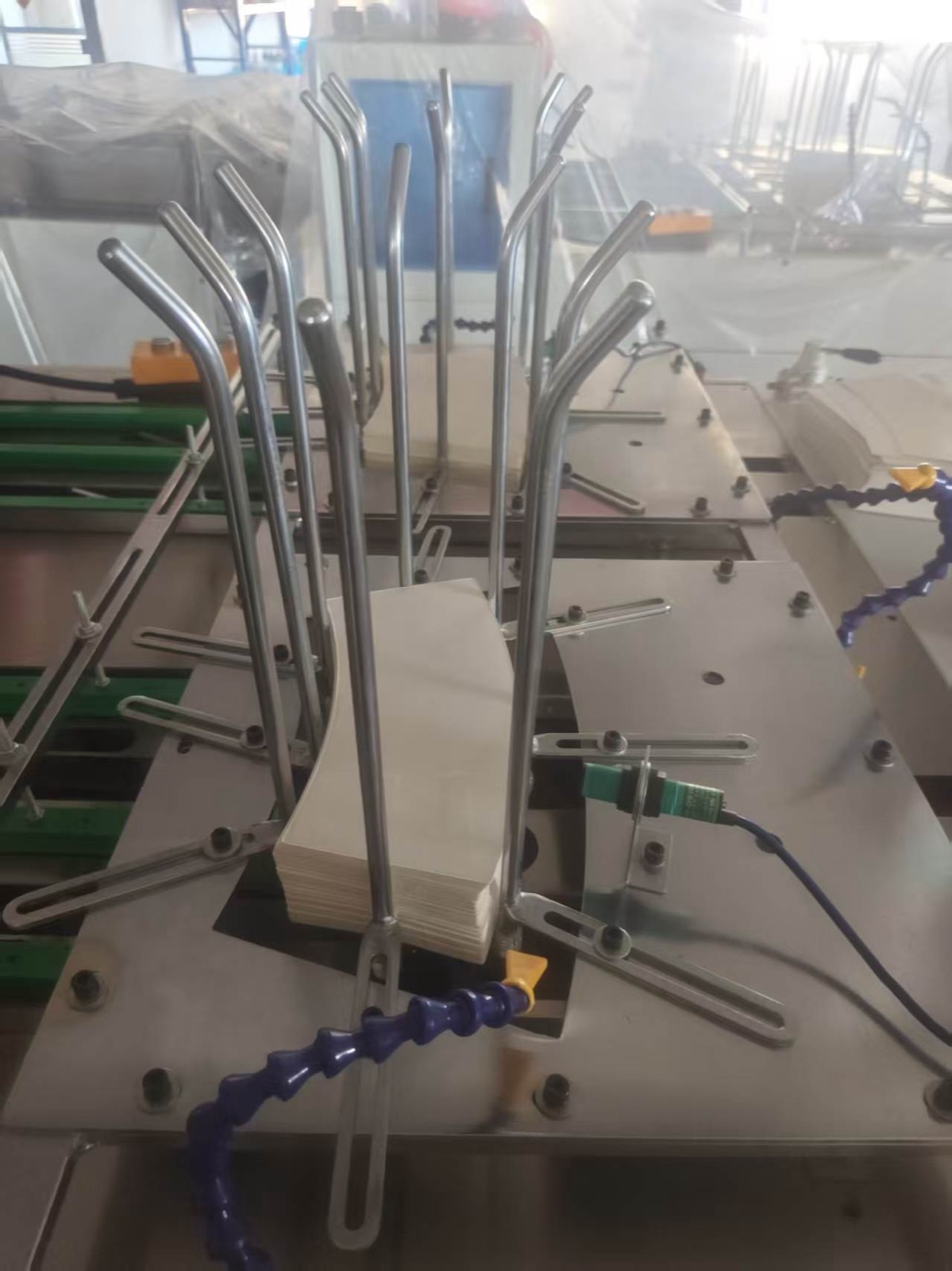
Paper cup material incoming inspection checks whether the delivered material matches the approved supply and whether it is ready for the intended conversion route. A label such as PE, PLA or water-based coating is not a complete specification. The paperboard, coating arrangement, converted format and storage condition all need traceable evidence before a new lot is released to production.
Match the delivery to an approved material specification
Confirm the supplier, material grade, lot, paper specification and coating information against the purchase and production references. Record which surfaces are coated and the required orientation during conversion. The responsible supplier should provide the detailed specification and documentation applicable to the intended use.
Keep material identity separate from food-contact or environmental claims. A production trial cannot establish regulatory compliance, recyclability or compostability. Obtain applicable evidence for the actual product and market through the responsible supplier and approval process.
The PE versus PLA machine guide helps frame a configuration discussion. It does not replace approval of a particular grade, coating construction or supplier lot.
Record physical condition before conversion
Inspect packaging damage, visible contamination, distorted rolls or stacks, edge damage and any visible coating irregularity. Preserve labels and delivery photographs. Separate transit damage from damage found after internal handling where the evidence permits; avoid assigning responsibility from an unlabeled photograph.
| Incoming check | Evidence requested | Release question |
|---|---|---|
| Identity | Supplier grade, lot and approved specification | Does the delivery match the order? |
| Coating arrangement | Supplier data and orientation reference | Is the intended surface configuration confirmed? |
| Physical condition | Packaging and material observations | Is damage within the agreed criteria? |
| Storage history | Available delivery and storage records | Is the material ready under the supplier's instructions? |
| Conversion trial | Traceable blanks, rolls and finished cups | Does the tested condition meet agreed process and product checks? |
Store and prepare the material according to supplier instructions and the site's procedure. Do not invent one humidity range or conditioning time for every coated board. When the delivery history is uncertain, ask for a disposition decision before assuming that a machine adjustment can compensate.
Use research as context, then validate the actual material
Bonifer, Tanninen and Leminen's 2024 paper cup manufacturing study compared four coated boards in two manufacturing runs. The authors identified friction as a major contributor to runnability problems in their tested conditions and also considered stiffness and compression strength. These study results support evaluating more than a coating label; they do not provide universal settings or validate any HANNAI machine-material combination.
For your trial, identify the exact material, cup drawing, converted blank and bottom-roll lots, tooling and approved setup. Evaluate feeding and finished-cup quality together. Use the fan blank inspection guide and bottom roll preparation guide to document those separate incoming formats.
Release only the condition supported by evidence
Record the inspection plan, samples, process observations and agreed functional results. Keep approved and failed cups linked to the material lot. A satisfactory certificate and a satisfactory machine trial answer different questions; retain both where required.
If a trial fails, preserve the original condition and compare one authorized factor at a time. Do not change the material lot, tooling and process setup together and then claim to know which factor resolved the issue. Supplier-confirmed machine adjustments should be performed by qualified personnel using the manual and safe-work procedures.
Define what the approval covers and what changes require review. A new coating formulation, material grade, supplier or conversion method can warrant another assessment under the agreed plan. Discuss your material with HANNAI and review the machine range with actual specifications and samples before finalizing the configuration.
Frequently asked questions
Is the coating name enough to confirm machine compatibility?
No. Confirm the actual grade, board and coating construction, converted format and trial requirements with the material and machine suppliers.
Does a successful forming trial prove compliance?
No. The trial provides process and product-function evidence. Applicable compliance documentation needs its own approval route.
Should every new delivery receive a full machine trial?
Follow the agreed incoming inspection and change-control plan. It should define routine lot checks and changes that require additional trial evidence.
What should accompany a material-related production complaint?
Include supplier and lot references, specification, incoming condition, storage information, trial setup and retained blank, roll or cup samples as relevant.