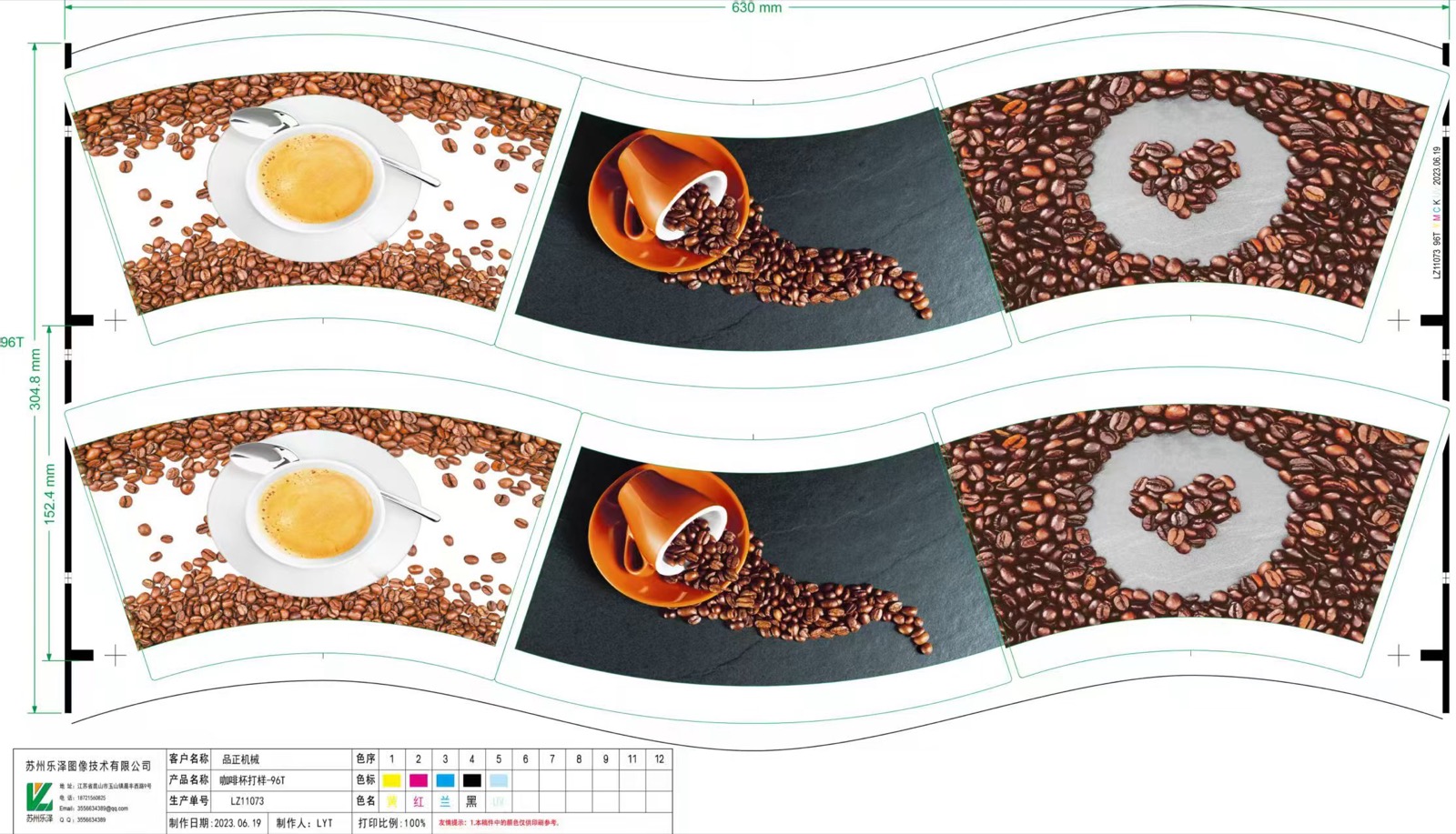
Paper cup print rub resistance should be evaluated across the route from printed blank to packed cup. A graphic may look acceptable at the printing stage yet arrive with scuffed areas after forming, nesting or transport. The useful inspection question is where the appearance changes, under which handling conditions, and whether the finished product meets an agreed reference. A strong record connects those observations with identified samples rather than an arbitrary rubbing demonstration.
Define the printed product and acceptance reference
Record the artwork revision, material and coating reference, printing lot and conversion route. Identify the areas important to the customer, including readable text and the main display panel. Agree on acceptable appearance and the test procedure with the printer and customer before using a production lot as the experiment.
Keep a flat printed blank and a formed cup from the approved condition. They answer different questions: the blank establishes print appearance relative to the cut outline, while the cup shows the effect of forming and later handling. Use the artwork registration guide when position and alignment are also in question.
Make the rub test reproducible
Specify the contact material, direction, applied loading method, test sequence, sample conditioning and assessment criteria. Obtain these requirements from the approved procedure or responsible test provider. Do not borrow a number of strokes or a loading value from a different printed package and present it as a universal paper cup requirement.
| Comparison point | Evidence to collect | Question answered |
|---|---|---|
| Printed flat blank | Lot identity and reference appearance | Was the mark present before forming? |
| Formed cup | Identified sample and damage location | Did appearance change during conversion? |
| Nested stack | Contact pattern and stack reference | Does nesting correspond to the marked area? |
| Packed sample | Packing material and handling history | Did the change appear after packing? |
| Defined rub test | Procedure and before/after result | Does the sample meet agreed test criteria? |
Assess different effects separately: surface scuffing, ink transfer, scratching and damage to the substrate can look similar in a photograph. Preserve the specimen and any contact material when the procedure calls for it. A photo should identify the same sample and area described in the test record.
Locate the stage where the condition changes
Compare samples taken at controlled handoffs. If the flat blank is already affected, involve the printing team before changing the forming machine. If the first visible change appears later, review the relevant contact and handling conditions with qualified personnel. Keep the original sample; do not clean or polish it before investigation.
The fan blank inspection guide helps document incoming edges and stack condition. For marks associated with nesting or packing, use the stackability guide to record stack preparation and separation behavior. Contact at the same location is an investigation clue, not proof of one root cause.
Do not put hands or test materials into moving machinery to recreate a scuff. Inspection of machine contact parts and any adjustment must follow the approved safe-work procedure. Repeat the original sample comparison after an authorized change, keeping the printing lot and other conditions traceable.
Release appearance and documentation together
Record the samples inspected, method used, failed areas, lot boundary and decision. Hold affected material under the site's quality procedure while responsibility for disposition is assigned. Passing a visual or rub check does not independently prove ink suitability for the intended application; supplier documentation needs its own review.
Review the paper cup digital printing equipment with the actual substrate and conversion route. Send HANNAI an inquiry with your artwork, material details and acceptance requirements to define the equipment trial and evidence needed.
Frequently asked questions
Can hand rubbing replace a specified test?
It may reveal a concern, but uncontrolled contact and force do not give comparable acceptance evidence. Use the agreed procedure for release.
Does ink transfer always begin at the printer?
The sample alone does not establish the responsible stage. Compare identified blanks, formed cups and packed samples to locate the first observed change.
Should wet and dry handling be treated alike?
No. Define the relevant application conditions in the test plan. One result cannot automatically approve every exposure or handling condition.
What helps investigate a repeat complaint?
Retain the affected cup, lot and artwork references, damage location, test method and comparable samples from earlier production stages.