A double-wall paper cup machine line should be configured from the finished cup specification backward, not assembled from a generic equipment list. The inner cup, printed outer sleeve, optional texture, sleeve-forming method, alignment requirement, bonding process, collection and packing method must operate as one controlled production flow. The correct arrangement depends on the approved sample, materials, format range, quality target and factory conditions.
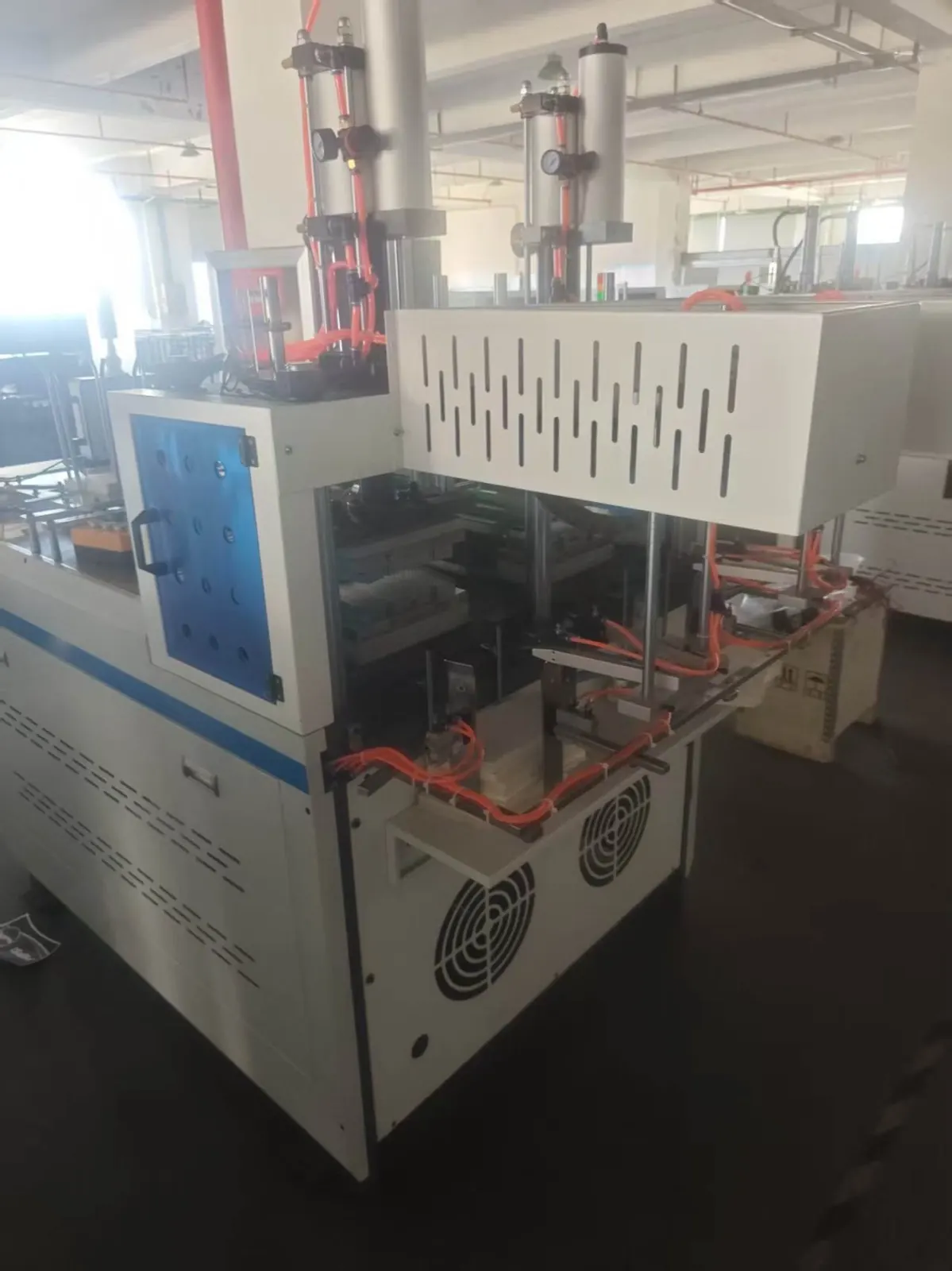
Start with the finished double-wall cup
Define the cup dimensions, inner-cup construction, outer-sleeve geometry, print coverage, seam orientation, rim and bottom clearances, texture or embossing requirement, bonding expectation and final packing presentation. Provide physical reference samples plus controlled drawings where available. A photograph alone does not define fit, overlap, adhesive area or the appearance limits that production must reproduce.
The single-wall versus double-wall paper cup guide helps buyers distinguish the structures. Once double-wall construction is selected, the project must define both the inner cup and the outer component rather than treating “double wall” as one universal product.
Separate the inner-cup and outer-sleeve process routes
The inner cup normally follows its approved forming route before sleeve assembly. The outer material follows a different route that may include printing, cutting or die-cutting, optional embossing, feeding and sleeve forming. These routes may be connected by direct transfer, controlled buffering or planned work-in-process, depending on the project.
Create a process map identifying every input, output, inspection point and storage or transfer condition. The broader paper cup production line overview can frame upstream converting and downstream handling, but the final double-wall route must be confirmed against actual samples.
Use a configuration decision table
| Decision area | Buyer evidence required | Engineering question |
|---|---|---|
| Finished cup | Approved samples, drawings, dimensional and visual criteria | What construction must the complete line reproduce? |
| Inner cup | Board and coating, size range, seam and bottom requirements | Will an existing inner-cup source be used or included in the project? |
| Outer sleeve | Material, blank geometry, print repeat, overlap and orientation | Which converting and feeding route creates the required sleeve? |
| Texture | Embossed reference, direction, depth acceptance and graphic relationship | Is embossing required, and where does it belong in the material flow? |
| Assembly | Fit, alignment, bonding and appearance criteria | How will the sleeve be formed, positioned and secured around the inner cup? |
| Line balance | SKU mix, planned shifts, changeover and inspection time | Where is buffering or parallel equipment needed for the real production plan? |
| Utilities and layout | Power, compressed air, environment, floor plan and material movement | Can the factory support safe installation, access and service? |
| Acceptance | Materials, sample quantity, defect rules and sign-off roles | How will each station and the integrated line be proven? |
Define the inner-cup supply and release point
Confirm whether inner cups will arrive from an existing forming line, a new line in the same project or an external controlled source. Specify which inspections release them to sleeve assembly: dimensions, shape, rim and bottom formation, seam condition, cleanliness and stack behavior may all affect downstream feeding and fit.
An outer-sleeve machine cannot correct an unstable inner cup. If cup dimensions or ovality vary outside the approved input condition, sleeve alignment and bonding can become inconsistent. Record the accepted input envelope from real trials rather than assuming nominal cup size is enough.
Engineer the outer-sleeve converting route
The outer component may require printed roll or sheet preparation, cutting or die-cutting, controlled blank orientation and feeding. Confirm artwork direction, print-to-cut relationship, grain or material behavior where relevant, overlap position and how blanks are identified across SKUs. Protect converted blanks from mixing, distortion, contamination and uncontrolled moisture exposure.
If a textured sleeve is required, evaluate the paper cup embossing machine as an optional station only after sample and material trials define the intended result. Embossing is not automatically required for every double-wall cup and must not be added solely because another line includes it.
Control sleeve forming, alignment and bonding
The sleeve must be presented in the correct orientation, formed consistently and assembled around the inner cup without damaging either component. Define acceptable top and bottom clearances, graphic orientation, seam relationship, overlap, bonding coverage and visible marks. Use controlled reference samples that can be retained for setup and inspection.
A double-wall paper cup machine should be evaluated against the actual inner cup and sleeve combination. Adhesive or bonding settings, tooling and feeding details are project-specific; confirm them through supplier documentation and trials rather than copying values from an unrelated material.
Balance stations with buffers and real operating time
Nameplate output alone does not establish line balance. Planned SKU mix, inner-cup availability, printing and cutting batches, inspection, replenishment, changeovers, cleaning, minor stops, rejected inputs and packing presentation all influence sustained flow. Map which station sets the practical pace for each product family.
Define buffer capacity by purpose: decoupling a batch process, protecting an assembly station from a short stop or organizing released work-in-process. Uncontrolled piles can hide defects and product mixing. Each buffer needs identity, first-in/first-out rules where required, maximum permitted holding time and conditions, and a clear release status.
Connect collection and packing without losing traceability
Decide how finished cups will be counted, nested, handled and presented to packing. The transfer should avoid rim damage, deformation, contamination and mixed batches. If a paper cup packing machine is included, confirm the accepted stack, count logic, film and pack specification using actual double-wall samples.
Carry batch identity from inner cups and outer blanks into finished-pack records. A stoppage, partial stack or rework event needs an approved reconciliation method so operators do not guess which cups belong in the next pack.
Plan utilities, layout and safe service access
Document the site power supply, power quality, compressed-air condition where used, ambient environment, floor and access constraints, material routes and maintenance clearances. Electrical and pneumatic requirements must be confirmed from the selected delivered configuration. Do not size utilities from an unrelated quotation or a generic machine category.
Arrange equipment so operators can replenish material, sample product, clear approved minor stops and move batches without entering hazardous zones. Guarding, sharp tooling, heated or bonding components, stored pneumatic energy and unexpected motion require the manufacturer’s isolation procedure and qualified personnel.
Write a station-level and integrated FAT plan
Factory acceptance should use agreed materials and approved sample criteria. First prove individual stations and interfaces, then run the intended route with traceable inner cups and sleeve blanks. Record startup, stable production, normal stop, restart, changeover and representative inspection evidence rather than relying on a short best-case video.
Define who supplies consumables, which SKUs will be tested, which measurements and visual defects matter, how results are sampled and who signs the release. Open items should have owners and closure evidence before shipment or site acceptance.
Frequently asked questions
Does every double-wall cup line need an embossing machine?
No. Embossing depends on the intended sleeve design and material. A smooth printed sleeve and a textured sleeve follow different project requirements, so the need should be confirmed from the approved finished sample.
Can an existing single-wall cup machine supply the inner cups?
Potentially, if the formed cups consistently meet the defined input specification for the sleeve-assembly process. Confirm the actual cup range, condition, stacking behavior and interface through sample trials rather than assuming compatibility.
Should every machine in the line have the same rated speed?
Not necessarily. Batch sizes, changeovers, inspection, availability, buffers and product mix influence practical balance. Compare the proven process flow and sustained operating plan, not only headline ratings.
What should a buyer send before requesting a line proposal?
Send finished cup and component samples, drawings, materials, size and SKU list, print and texture requirements, quality criteria, packing format, planned shifts, utility information, layout constraints and details of any existing equipment to be integrated.
Send your inner cup, outer sleeve and finished cup samples, drawings, materials, SKU plan, packing format, utilities, factory layout and existing-equipment details through our inquiry page. HANNAI can review the specification and discuss a production-ready project route.