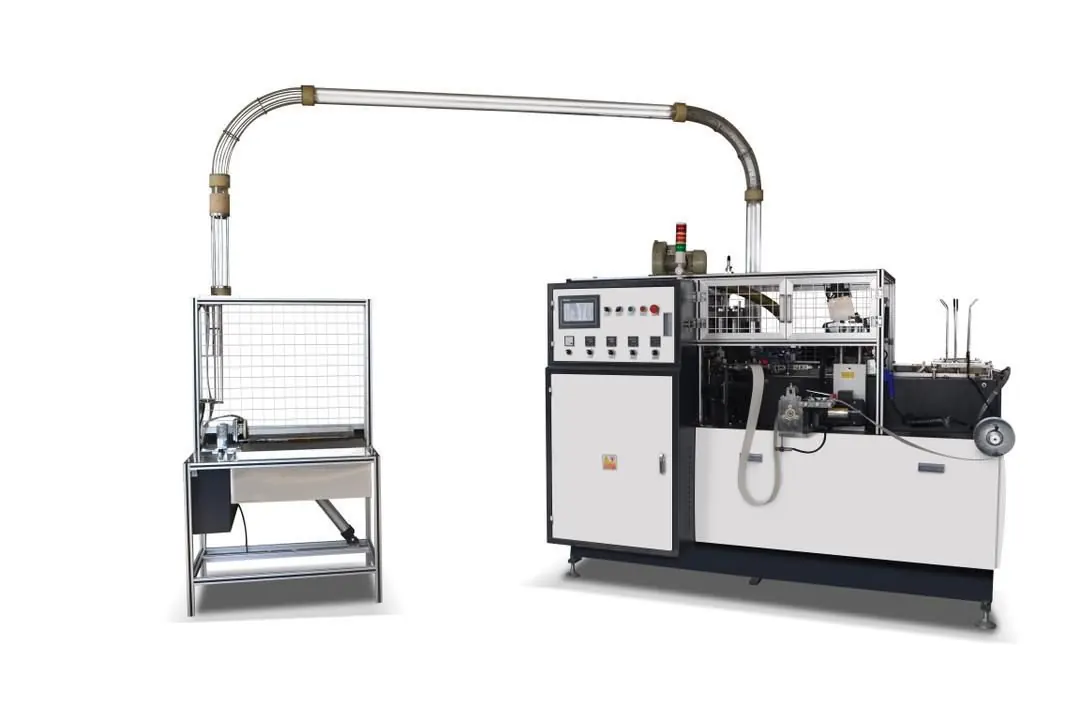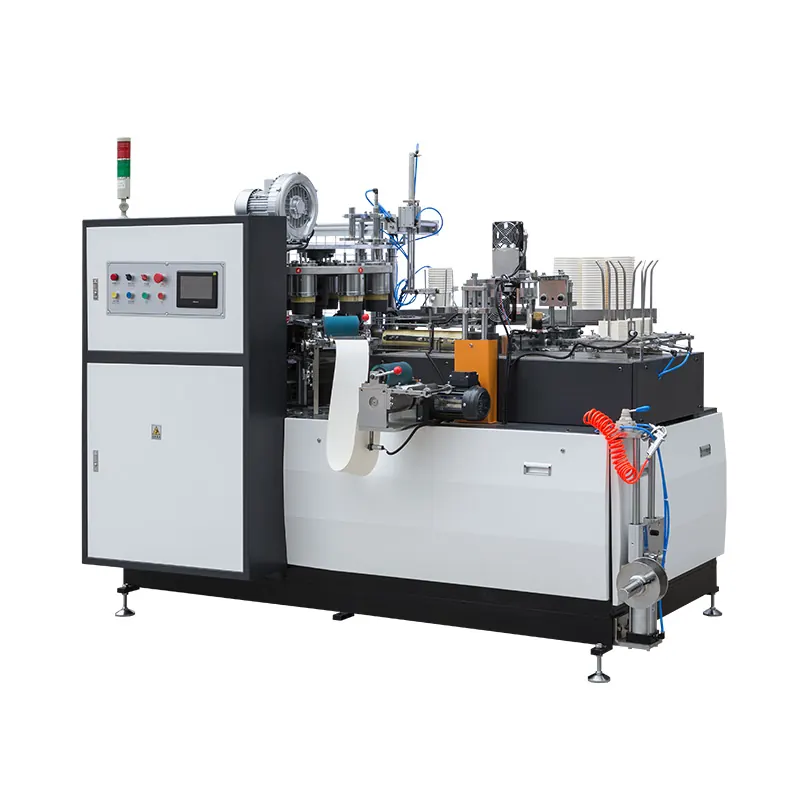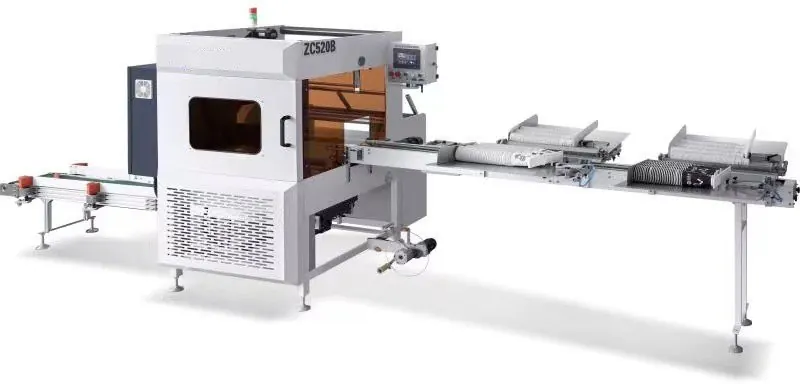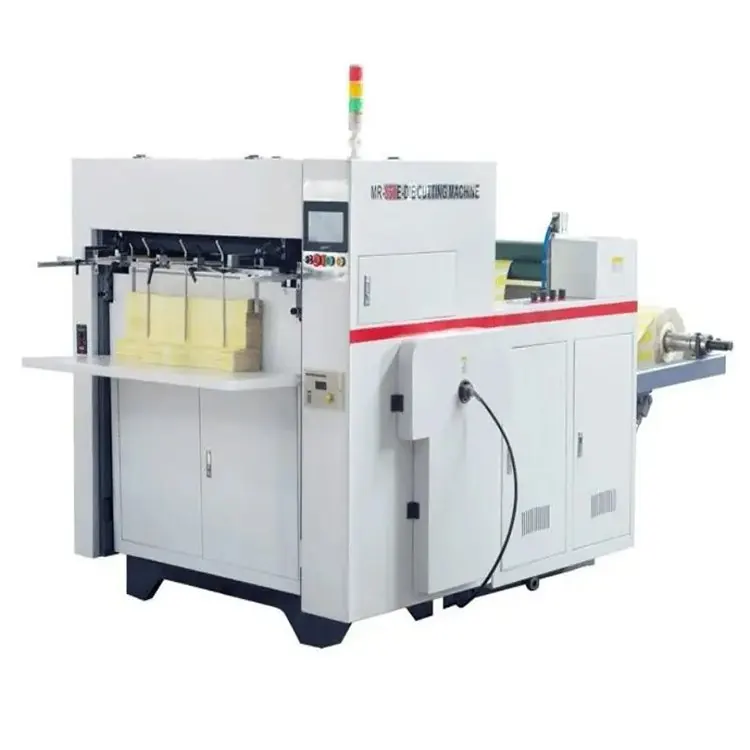
Comparing single wall vs double wall paper cups is a product and production-scope decision. The outer construction affects the equipment, handling and inspection plan. It should be defined before requesting a machine quotation, especially when the factory intends to make both types.
Keep wall construction separate from coating terminology. A cup with coating on both sides of one paper wall is not automatically a double-wall cup. Describe the finished structure with a drawing or sample so the supplier knows whether an outer sleeve or additional wall process is required.
Define the finished structure first
Identify the liquid-holding inner cup, any outer sleeve or wall, the intended lid and the packing format. State the product's intended use and the buyer's performance requirements. An outer wall can change handling and appearance, but the finished result needs evaluation against the actual application.
Avoid treating “double wall,” “double PE” and “ripple wall” as interchangeable purchase descriptions. Ask the supplier to identify how the proposed equipment makes the intended structure and which processes are included. Keep the drawing revision with the quotation.
Compare the production route
For a single-wall cup, the line scope may include forming from prepared fans and bottom material, followed by collection and packing. Upstream printing and cutting depend on whether blanks are purchased or made in house.
A double-wall configuration generally adds an outer-wall operation around an inner cup. Confirm the exact method, material and equipment with the supplier. The forming-machine quote should identify whether this additional process is included, separate or outside scope. Review the production-line planning guide for a consistent purchase boundary.
| Decision area | Single-wall planning question | Double-wall planning question |
|---|---|---|
| Product specification | What inner-cup geometry and material are required? | What inner cup and outer structure are required? |
| Equipment scope | Which forming and handling stages are included? | Which outer-wall process is included? |
| Material supply | Who supplies fans and bottom stock? | Who also supplies outer-wall material? |
| Quality checks | How are seals, dimensions and rim assessed? | How are sleeve position and attachment also assessed? |
| Capacity | What accepted forming and packing output is needed? | Can the added process handle the intended order mix? |
| Changeover | Which cup tooling and packing changes are required? | Which outer-wall changes must also be coordinated? |
Check interfaces between inner and outer processes
Agree the condition and dimensions of the inner cup entering the outer-wall process. Identify its handling orientation, storage interval and transfer arrangement. If the processes operate separately, define how work in process is counted and protected from damage or status confusion.
Confirm how each process identifies rejected production. Outer-wall output should not conceal an unverified inner-cup condition. Discuss collection and transfer arrangements against the intended cup, using the HANNAI product range as a starting point for the configuration review.
Validate finished-cup requirements
Inspect the inner cup's seam, bottom and rim using agreed methods. For the outer structure, define checks such as position, appearance, attachment and stack handling where relevant. Include lid fit and packing if they are part of the customer specification.
Do not promise a universal insulation result or safe surface temperature from the wall label alone. Thermal behavior depends on the complete design and use conditions. Agree a representative test where performance is a purchase requirement, and retain its method and results.
Plan output around the full route
Compare accepted output from inner-cup forming, outer-wall processing and packing on the same time basis. A fast inner-cup machine does not establish the completed double-wall line's capacity. Include interruptions, changeovers and reject handling at each relevant stage.
The production-capacity calculation guide helps make those assumptions visible. Identify which stages can run independently and where a temporary buffer is appropriate. Avoid using buffer storage as a permanent solution to unequal process rates.
Compare quotations with the same finished product
Send each supplier the same inner-cup drawing, outer-wall sample, material information and output requirement. Request an explicit equipment and tooling list. Ask which trials will demonstrate the complete product and which processes remain unverified.
Separate starting equipment from future expansion. If single-wall production is the initial plan, ask how a later outer-wall process would interface with it instead of assuming all cup geometries will transfer unchanged.
Frequently asked questions
Is double-sided PE paper the same as a double-wall cup?
No. Coating on both sides and adding an outer wall describe different features. Specify both separately.
Does a forming-machine quotation include outer-wall equipment?
Only if the supplier explicitly includes it. Request the equipment list and process boundary.
Can wall construction alone prove insulation performance?
No. Test the complete design under defined use conditions when that performance matters.
What sets completed-line capacity?
The actual results and interfaces of forming, any outer-wall process and packing, with their time losses and rejects.
Request a production-route review
Send inner-cup dimensions, outer-wall samples, material and completed-output targets through the HANNAI inquiry page. Identify whether the outer-wall process is needed now or planned for later.