A cartridge heater is defined by more than its diameter and total wattage. Voltage, heated length, cold sections, lead construction, sheath material, fit in the bore and the location of the process sensor all affect temperature response and heater life.
A replacement should be approved from drawings and electrical evidence, not by forcing a visually similar heater into the tool. Isolate electrical and thermal hazards, allow tooling to cool and use qualified personnel. Machine and heater manufacturer documents remain controlling.
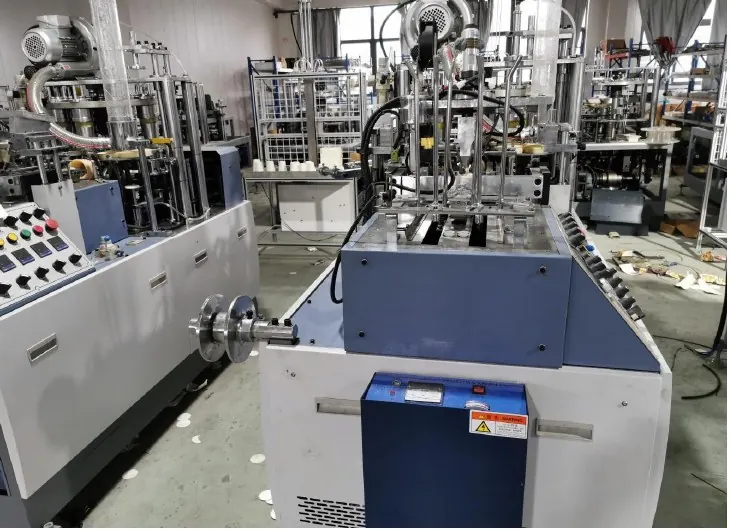
Decision matrix
| Compatibility item | Record | Acceptance question |
|---|---|---|
| Electrical rating | Voltage, power, resistance and circuit arrangement | Will the heater load match the controlled circuit? |
| Geometry | Diameter, overall length and heated length | Does it fit the bore and heat the intended zone? |
| Lead construction | Exit style, length, insulation and strain relief | Can it route safely without heat or flex damage? |
| Installation fit | Bore diameter, straightness, surface and insertion depth | Is heat transfer repeatable without forcing? |
| Control relationship | Sensor position, SSR/contactor and controller output | Can the zone regulate and alarm as designed? |
Identify the failed zone before ordering
Map the heater to its controller, switching device, fuse and temperature sensor. Record the exact alarm and temperature trend. A cold zone may be caused by an open heater, loose terminal, failed switching device, sensor error or disabled controller output.
With power safely isolated, a qualified technician can compare heater resistance and insulation condition using appropriate instruments and manufacturer limits. Do not energize a loose cartridge in open air merely to see whether it becomes hot.
Match electrical and dimensional construction
Use the installed part marking, supplier drawing and measured cold dimensions. Match rated voltage, power, diameter, overall and heated lengths, no-heat sections and lead exit. Calculate expected cold resistance only as a reasonableness check; use supplier tolerances and an actual measurement for acceptance.
Watlow guidance emphasizes fit and watt density because the surrounding tool removes heat from the cartridge. Equal total wattage in a shorter heated length changes surface loading. Do not select a higher-power heater as a shortcut for slow heating without reviewing the tool, control circuit and process.
Inspect the bore and removal cause
After the tool is cool and isolated, remove the heater according to the machine procedure. Record signs of seizure, swelling, carbon, moisture, damaged leads or an oversized bore. A failed cartridge can be evidence of poor fit, excessive temperature or lead damage rather than a random component failure.
Clean the bore only with an approved method that preserves diameter and straightness. Do not hammer in the replacement, drill into an unknown heater or use conductive anti-seize unless the heater and machine manufacturer approve it. Confirm insertion depth and retention.
Verify sensor and control response
Inspect the thermocouple or other sensor separately. Its distance from the heater and contact with the tool influence the controller response. Confirm controller input type, alarm values and output operation rather than changing tuning to mask an installation problem.
Heat the zone under controlled conditions and trend process temperature, output demand and neighboring zones. Stop for overshoot, unstable readings, smoke, odor or abnormal current. Compare warm-up behavior with a known-good baseline, while recognizing that ambient and tooling conditions affect time.
Document the approved spare
The spare record should include supplier, part number, drawing revision, voltage, power, dimensions, lead construction, installation zone and validation date. Store heaters dry and protected from bent leads or impact.
Send HANNAI the machine model, tool and zone identification, heater markings, controller data, electrical measurements and clear photos for a replacement review. The linked heater and thermocouple guide helps separate heat generation from temperature measurement.
Technical references
- Watlow cartridge heater application information — general component guidance; the installed machine documentation remains controlling.
Related machine and guide
Review the HN-M100 automatic paper cup machine for machine context, then use the heater and thermocouple contact guide for the adjacent check. Browse all Buyer Guides when building a wider project checklist.
Frequently asked questions
Can a heater with the same diameter and wattage be used?
Not without matching voltage, lengths, lead construction, fit, zone and control relationship.
Is a tighter fit always better?
The fit must follow the heater and tool specification; forcing a cartridge can damage both and prevent future removal.
Can a higher-wattage heater improve warm-up?
It changes circuit load and surface loading and requires an engineering review, not an informal substitution.
What should be checked after installation?
Current, temperature trend, controller output, alarms, neighboring zones, lead routing and controlled process results.
Review your machine configuration with HANNAI
Send the machine model, project reference, component labels, drawings, photos and a description of the required result. We will clarify which details must be confirmed before a quotation or technical recommendation.