A cam indexer converts continuous drive motion into dwell-and-index motion. Wear, mounting movement, lubrication problems or drive misalignment can appear as station-position variation, impact noise, vibration or changing tool relationship.
Adjustment is not the first step. The inspection should distinguish indexer output behavior from loose tooling, coupling error, chain backlash and turntable alignment. Use the exact indexer manual for lubrication and allowable play; this guide supplies the evidence structure.
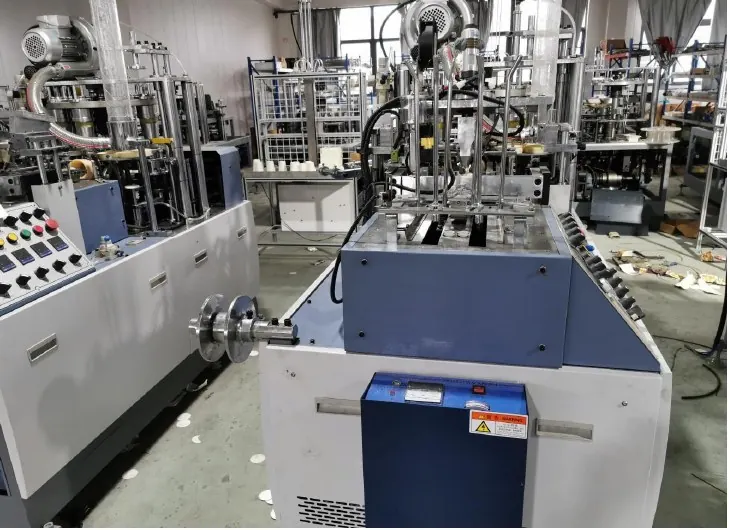
Decision matrix
| Inspection area | Evidence | Interpretation |
|---|---|---|
| Station repeatability | Indexed position at repeated cycles and directions | Separates repeatability from a fixed offset |
| Input drive | Coupling, chain/gear condition and alignment | Identifies upstream lost motion |
| Output interface | Flange fasteners, key/pilot and turntable connection | Identifies movement outside the indexer |
| Lubrication | Specified lubricant, level, color, debris and leakage | Shows condition without inventing service limits |
| Operating behavior | Noise, vibration, temperature trend and load state | Connects symptoms to the real cycle |
Define the repeating symptom
Mark the affected station and collect cups or process evidence in machine sequence. Determine whether error repeats at one physical station, once per indexer revolution, during acceleration or under a particular load. Record speed and warm/cold condition.
A fixed station offset may be tooling alignment, while variation between repeated arrivals suggests lost motion or movement. Do not increase forming pressure or sensor tolerance before the position source is established.
Separate external drive and mounting
With hazardous energy controlled, inspect input coupling, chain, gears, keys, fasteners and base mounting. Check output flange and turntable attachment for witness marks or looseness. Verify foundation and frame condition where the indexer mounts.
Movement in a coupling or key can imitate internal backlash. Measure the approved input and output references with the indexer manufacturer’s method. Never pry against precision surfaces or rotate through a dangerous mechanism without the machine procedure.
Inspect lubricant and seals responsibly
Identify the exact indexer model and specified lubricant, quantity, change method and orientation. Inspect level using the designed indicator and record color, odor, contamination, leakage and magnetic debris only where the manual provides a safe method.
Do not top up with an unverified oil or mix products because viscosity labels look similar. Leakage may come from overfill, breather, seal wear or mounting condition. Correct the cause before cleaning away all evidence.
Measure repeatability and backlash pattern
Use stable datums and suitable indicators to record output position after repeated approaches under controlled conditions. Note direction, input position, load state and temperature. Compare readings to the machine or indexer specification, not a generic value.
If position is repeatable but wrong, inspect timing and mounting references. If it varies, compare input motion, output motion and turntable behavior together. Internal service or preload changes require the indexer manufacturer’s authorized procedure.
Validate after approved corrective work
After any approved tightening, alignment, lubrication or component replacement, restore guards and run controlled cycles. Monitor station position, noise, vibration, temperature trend, product quality and alarms as speed increases.
Record the model, lubricant evidence, measurements and corrective action. Send HANNAI the machine/indexer labels, symptom video, station map and indicator readings. Use the linked turntable guide to confirm tooling-to-station alignment independently.
Related machine and guide
Review the HN-180 high-speed paper cup machine for machine context, then use the indexed turntable alignment guide for the adjacent check. Browse all Buyer Guides when building a wider project checklist.
Frequently asked questions
Does station misalignment prove indexer wear?
No. Tooling, turntable mounting, coupling, chain or sensor references can cause similar symptoms.
Can any gear oil be added?
No. Use the exact indexer manufacturer specification and approved maintenance method.
What is more useful than one backlash reading?
Repeated indexed readings with approach direction, load, temperature and matching input/output observations.
When should the indexer be opened?
Only under the manufacturer or authorized service procedure after external causes are excluded.
Review your machine configuration with HANNAI
Send the machine model, project reference, component labels, drawings, photos and a description of the required result. We will clarify which details must be confirmed before a quotation or technical recommendation.