Paper cup machine obsolescence planning addresses components that remain functional but may become difficult to source, repair or support. Waiting for failure can force an untested substitution during downtime, while premature replacement can introduce avoidable compatibility and validation risk.
This article supports lifecycle planning. It does not declare any component obsolete or approve a replacement. Confirm current status and compatibility with HANNAI and authorized suppliers. Decisions should retain the dated supplier evidence, installed configuration, consequence assessment, approved migration scope and validation owner. Online availability alone is not proof of authenticity, long-term support or functional compatibility. Review cybersecurity, licenses and backup restoration when control technology is affected. Include operator and technician training in the migration readiness plan. Record contingency ownership and timing.
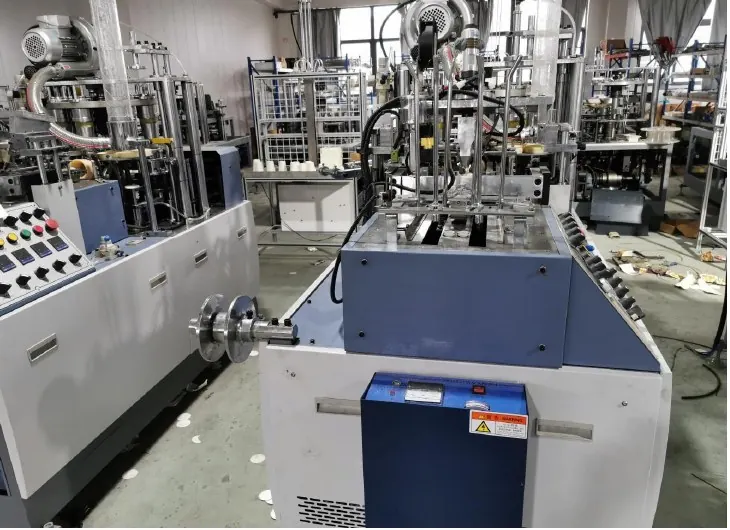
Diagnostic decision table
| Planning input | Evidence | Weak assumption |
|---|---|---|
| Installed base | Model, revision and interfaces | All machines are identical |
| Supplier status | Current written lifecycle notice | Part is old |
| Consequence | Failure and recovery scenario | Price alone |
| Replacement | Test and rollback plan | Newer means compatible |
Build the installed-base record
Record controllers, drives, HMIs, sensors, safety devices, heaters, valves, motors, tooling and software versions where loss of support matters. Include part number, revision, serial context, firmware, communication, wiring and dependent files.
Verify records against the physical machine. Similar machines may have different revisions after past repairs. An inventory copied from an old quotation is a starting point, not proof of current configuration.
Monitor lifecycle evidence
Collect official supplier notices, availability, repair support, firmware support, lead time and approved successor information. Date each source and distinguish end-of-sale, end-of-repair and end-of-support. Review single-source and proprietary items more frequently.
Do not label a part obsolete from marketplace scarcity alone. Conversely, a part listed online may be counterfeit, used or incompatible. Escalate uncertainty before stock or replacement decisions.
Prioritize by consequence and options
Assess safety, product quality, downtime, data loss and recovery complexity if the part fails. Review installed spares, repair services, alternate parts and whether a system-level upgrade is required. Include backup quality and personnel competence.
Balance risk, performance and lifecycle cost rather than replacing every ageing item at once. Group changes when shared interfaces make isolated substitution impractical, while controlling the larger commissioning scope.
Engineer and validate the replacement
Compare electrical, mechanical, communication, software, safety and environmental requirements. Prepare drawings, parameters, code, licenses, adapters and test cases. Bench test where possible, then validate on controlled production with acceptance evidence.
Preserve the original configuration and rollback route until the new solution is proven. A successor part number does not guarantee drop-in behavior. Document deviations and product impact before release.
Control migration and future support
Schedule replacement with parts, personnel, production window and contingency ready. Update machine records, spares, backups, training and maintenance procedures after approval. Remove obsolete software access and clearly identify retained emergency stock.
Review early performance and supplier lifecycle for the new platform. Send HANNAI the installed identity and interface evidence when requesting a supported migration path. Planning reduces forced decisions but does not eliminate commissioning risk.
Related equipment and next checks
Review the HN-M100 automatic paper cup machine and the related guide to paper cup machine spare parts checklist. The Engineering Notes archive connects these checks with wider machine planning.
Frequently asked questions
Does an old component automatically require replacement?
No. Use current support, consequence and option evidence.
Is a successor part always drop-in compatible?
No. Verify all interfaces and functions.
Why keep a rollback plan?
It controls risk until the replacement is proven.
What records change after migration?
Update configuration, drawings, backups, spares and training.
Review the evidence with HANNAI
Send your machine model, component identification and the observations described in this guide. Include the drawing or material reference and any before-and-after measurements so the required next check can be identified.