A paper cup machine condition monitoring route turns repeated observations into comparable evidence. Measurements collected from different points, machine states or cup formats can create false trends unless the route controls identity, operating context and response.
This guide covers route design and does not set vibration, temperature, electrical or lubrication limits. Qualified personnel must choose safe methods and interpret readings with component, load and manufacturer information. Route owners should define instruments, calibration status, safe access, data retention and review responsibility. Measurements taken during abnormal production must be identified rather than blended into the normal baseline. Keep original files and units so trends can be reprocessed when analysis methods or alert logic change.
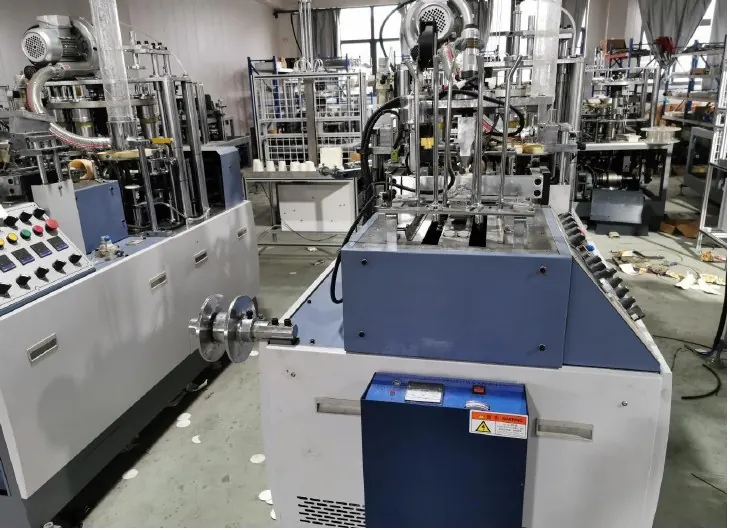
Diagnostic decision table
| Route control | Required definition | Data risk |
|---|---|---|
| Point identity | Location and direction | Measure nearby surface |
| Operating state | Speed, load, product and temperature | Any running condition |
| Baseline | Accepted comparable history | One first reading |
| Response | Alert confirmation and action | Collect data only |
Select points from failure decisions
Choose assets and measurements because a credible developing failure can be detected and an action is available. Use criticality, failure history and component design. Avoid collecting values simply because an instrument can reach the surface.
For each point, state the expected decision: continue, recheck, inspect, plan repair or stop. Combine operator observations with specialist routes where they add different evidence rather than duplicate unstructured notes.
Make point identity repeatable
Mark the component, exact location, orientation and sensor mounting method. Use photographs or diagrams. Record machine and component revision because replacement can change baseline behavior.
Control access and guarding through approved procedures. A convenient alternate point may not represent the same signal path. If the intended point becomes unavailable, document the change and establish comparability before joining the trend.
Control operating context
Record speed, cup format, material, production state, ambient condition and warm-up where they affect the measure. Use a defined stable condition when practical. Separate startup transients and changeover from routine route results.
Do not compare loaded and unloaded readings without analysis. A higher value may reflect changed operating demand instead of deterioration. Preserve raw values and context rather than only a green, amber or red label.
Establish baselines and alert logic
Build a baseline from verified healthy operation across relevant conditions. Use manufacturer guidance, engineering limits and rate-of-change evidence as applicable. Distinguish alert, investigation and stop criteria.
One outlier should trigger validation of point, instrument and operating state before a diagnosis. Repeated small movement can matter even below a generic limit. Record who reviews exceptions and the time allowed for response.
Audit data and close the response loop
Check route completion, missed points, sensor condition, calibration, timestamps and analyst notes. Link alerts to inspections, work orders and final findings. A monitoring program has little value when alerts remain outside the maintenance system.
Review false alerts, missed failures and routes with no decision value. Send HANNAI trend plots, point identification, operating context and component details when supplier interpretation is required.
Related equipment and next checks
Review the HN-M100 automatic paper cup machine and the related guide to paper cup machine bearing condition monitoring. The Engineering Notes archive connects these checks with wider machine planning.
Frequently asked questions
Should every component be monitored?
Select points where failure development and action justify the route.
Can readings from different cup formats be combined?
Only when operating effects are understood and controlled.
Is one high reading proof of failure?
Validate the point, instrument and condition before diagnosis.
What closes a monitoring alert?
Document review, action, finding and final disposition.
Review the evidence with HANNAI
Send your machine model, component identification and the observations described in this guide. Include the drawing or material reference and any before-and-after measurements so the required next check can be identified.