Paper cup machine cabinet condensation often appears during shutdown or a weather change rather than at peak production. Warm humid air can contact a colder internal surface and form moisture. A cabinet that was dry while running may therefore be unsuitable for immediate restart the next morning.
Condensation control differs from removing operating heat. This guide helps build evidence for an enclosure and environmental review. If moisture is present on electrical components, keep the machine isolated and have qualified personnel assess it before re-energizing.
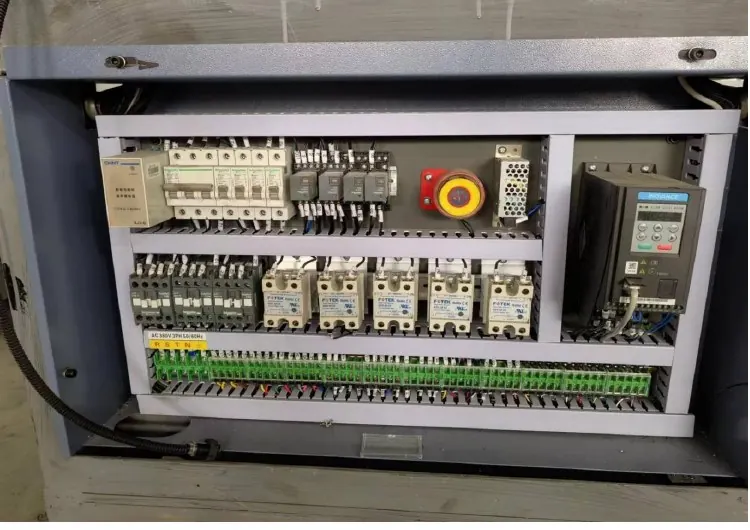
Diagnostic decision table
| Observation | Possible route | Record |
|---|---|---|
| Drops after an overnight stop | Cold surfaces and humid air | Temperature and humidity through shutdown |
| Wet area near a door or entry | Seal or water ingress defect | Location, gasket and entry condition |
| Moisture near cooling equipment | Drain or condensate handling | Cooling-unit installation and drain path |
| Corrosion without visible drops | Repeated prior moisture exposure | Photos and environmental history |
Distinguish condensation from an external leak
Map wet areas before drying or cleaning. Record rain, washdown, open doors and nearby process conditions. A local trail below a cable entry suggests a different investigation from droplets spread over cold metal. Both mechanisms can coexist.
Photograph corrosion, deposits and damaged insulation. Do not assume evaporation restores electrical integrity. The person responsible for electrical safety should determine inspection, cleaning, drying and testing requirements for the affected components and installation. Avoid introducing household heaters or unapproved cleaning products.
Measure through the full temperature cycle
Record cabinet air temperature, ambient humidity and the temperature of likely cold surfaces with suitable instruments. Include startup, running, shutdown and the period when moisture usually appears. A single midday humidity reading may miss the relevant condition.
Condensation is possible when a surface falls below the dew point of the surrounding air. Rittal describes enclosure heaters as a way to reduce that risk. Heater selection still depends on enclosure size, insulation, ambient conditions and component temperature limits; there is no single wattage suitable for all machines.
Inspect the enclosure boundary
Check door gaskets, hinges, latches, cable entries and unused openings against the enclosure design. Inspect cooling-unit condensate routing and filters where fitted. Record any added cables or ventilation openings from previous modifications.
Do not seal every opening indiscriminately. Designed drainage, pressure equalization or ventilation may be necessary for the installed enclosure. Ask the enclosure supplier how each opening should be treated. An unverified modification can exchange one moisture problem for overheating or incorrect protection.
Review shutdown protection and control
Establish whether the approved anti-condensation arrangement must operate while the main production circuit is off. Any separate supply needs proper labeling, isolation instructions and electrical review. Maintenance personnel must know which circuits remain energized.
Compare thermostat or humidity-controller placement with the surfaces at risk. A sensor next to a warm device can misrepresent a cold corner. Review heater clearances, airflow and protection with the enclosure documentation, then record the approved control logic and operating conditions.
Validate across the conditions that caused the fault
After the electrical condition has been accepted, repeat the monitoring period that originally produced moisture. Inspect after overnight shutdown and a representative ambient change rather than relying solely on a dry production shift. Confirm operating temperatures also remain within component requirements.
Keep environmental readings, seal repairs and controller settings in the machine record. Send HANNAI cabinet photos, enclosure and cooling-unit labels, shutdown duration and the temperature/humidity timeline. The practical outcome should be a documented environmental protection arrangement and a safe restart criterion.
Related equipment and next checks
Review the HN-M100 machine and the related guide to cabinet cooling and filter maintenance. The Engineering Notes archive connects these checks with wider machine planning.
Technical reference
- Rittal enclosure heater purpose — general reference; confirm applicability to the installed equipment.
Frequently asked questions
Does a cooling fan prevent all condensation?
No. Cooling and condensation prevention address different conditions.
Can a dry-looking cabinet be restarted immediately?
Qualified personnel should assess any prior moisture exposure first.
Should a heater stay powered during shutdown?
That depends on the approved electrical and enclosure design.
Which readings are most useful?
Humidity, cabinet air and cold-surface temperatures across the problem period.
Review the evidence with HANNAI
Send your machine model, component identification and the observations described in this guide. Include the drawing or material reference and any before-and-after measurements so the required next check can be identified.