Paper cup machine idle preservation protects equipment when production stops for an extended but uncertain period. Normal shutdown is not enough when moisture, corrosion, dust, battery depletion, lubricant separation, pests or unauthorized use can develop before restart.
This guide is a planning framework and does not specify preservation chemicals, inspection intervals or energization methods. Follow HANNAI documentation, component supplier data and site safety requirements. Define expected duration, environment, energy state and restart owner. Confirm compatibility of covers and preservation materials with food-zone, electrical, elastomer and finished surfaces. Assign access authority and record every approved entry during the idle period. Preserve utilities, drainage and fire protection needed by the storage condition, while identifying services intentionally disconnected. Review insurance and facility controls through the responsible site functions.
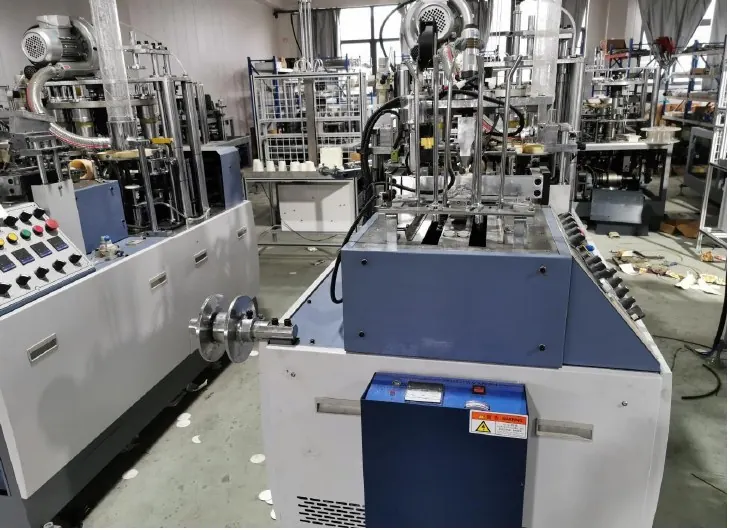
Diagnostic decision table
| Preservation area | Control evidence | Hidden risk |
|---|---|---|
| As-left condition | Cleanliness, faults and open work | Assume machine healthy |
| Environment | Humidity, water, dust and pests | Cover with plastic only |
| Components | Approved preservation and orientation | Apply one method everywhere |
| Readiness | Inspection and restart records | Start immediately later |
Define scope and as-left condition
Record machine identity, reason for outage, expected duration, last product, current faults, temporary repairs and removed parts. Photograph critical areas and preserve current parameters and backups. Close or transfer product and material status.
Do not label the machine preserved until cleaning, inspection and open-work decisions are complete. Separate defects found before storage from deterioration found during storage so restart accountability remains clear.
Clean, isolate and protect appropriately
Remove paper dust, adhesive residue, product material and waste using approved methods. Protect openings, precision surfaces, electrical cabinets and pneumatic paths according to component needs. Maintain required safe isolation and access control.
Avoid trapping moisture under impermeable covers or applying oil to unsuitable surfaces. Keep warnings and identification visible. Record every plug, cover, support and preservation material that must be removed before restart.
Manage environment and sensitive components
Assess roof leaks, condensation, flooding, sunlight, temperature, humidity, aggressive chemicals, pests and traffic. Use monitoring where needed. Review batteries, electronics, lubricants, bearings, belts, seals, heaters and tooling separately.
Follow supplier requirements for rotation, charging, desiccant or replacement where applicable. Do not manually rotate or energize assemblies unless the approved method controls stored energy and lubrication state.
Inspect during the idle period
Create a route for covers, corrosion, moisture, contamination, cabinet condition, pressure loss, pests, support movement and tampering. Record actual observations with dates and photographs. Escalate environmental excursions and damaged packaging.
Adjust the preservation plan when duration extends or the environment changes. A missed inspection should trigger a condition review, not an automatic assumption that nothing happened.
Plan recommissioning before demand returns
Build the restart scope from removal lists, inspections, open work, lubricant and battery status, backups, guards, utilities and product acceptance. Allow time for competent maintenance and staged functional checks.
Do not compress recommissioning into the first production shift. Send HANNAI the storage duration, conditions, machine identity and observations when machine-specific restart guidance is required.
Related equipment and next checks
Review the HN-M100 automatic paper cup machine and the related guide to paper cup machine planned shutdown and restart checklist. The Engineering Notes archive connects these checks with wider machine planning.
Frequently asked questions
Is normal shutdown enough for long idle periods?
No. Address environment, sensitive components, inspection and restart.
Can the whole machine be wrapped in plastic?
Only when moisture and material compatibility are controlled.
Should the machine be periodically energized?
Only if an approved component-specific method requires it.
What starts recommissioning?
Review removal lists, condition evidence, open work and staged acceptance.
Review the evidence with HANNAI
Send your machine model, component identification and the observations described in this guide. Include the drawing or material reference and any before-and-after measurements so the required next check can be identified.