Paper cup machine spare parts kitting makes planned work ready by assembling the exact parts, consumables and traceability records before access begins. A box labelled for a shutdown is not a controlled kit if identity, revision, condition and return status remain uncertain.
This article supports material preparation and does not approve substitutions or shelf-life limits. Confirm compatibility with the installed configuration, supplier information and site inventory controls. Define who may pick, inspect, seal, move and release a kit. Protect precision and age-sensitive items during staging, and keep quarantined or returned parts physically separated. Record every status change clearly and promptly.
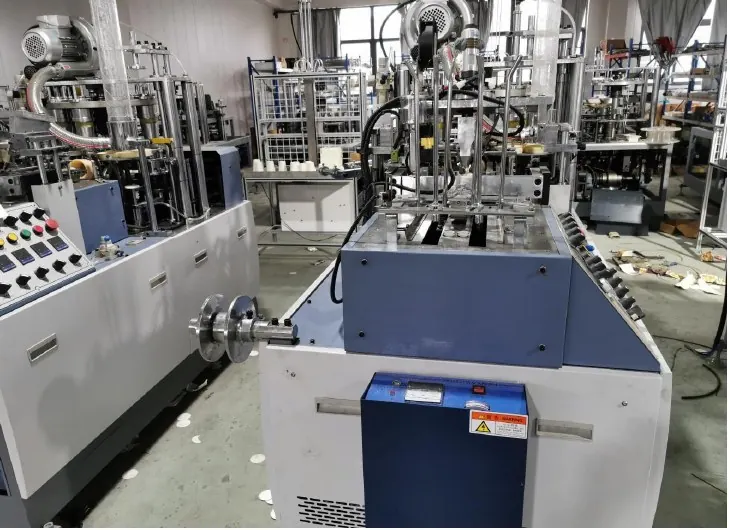
Diagnostic decision table
| Kit control | Evidence | Common failure |
|---|---|---|
| Job link | Work order and machine tag | Generic maintenance box |
| Identity | Part number, revision and quantity | Visual similarity |
| Condition | Packaging and inspection status | Stock quantity only |
| Disposition | Installed, unused, failed or returned | Left near machine |
Start from an approved job plan
Use the work scope, machine tag, parts list and drawing revision to create the kit list. Separate mandatory parts, conditional parts and consumables. State the decision point for any component that may be used only after inspection.
Avoid building a kit from the description of the last repair. Similar machines can have different revisions or field changes. Link the kit to one controlled work order and identify shared parts deliberately.
Verify identity and compatibility
Check manufacturer, part number, revision, electrical or mechanical attributes and approved alternatives. Compare the installed context when a replacement history or obsolescence change exists. Use barcodes or photographs only as supporting evidence.
Do not open sealed or protected packaging merely to simplify counting unless the inspection method requires it. Record serial or batch identity where configuration, warranty or traceability depends on it.
Inspect condition before staging
Review packaging, corrosion, contamination, seals, connectors, preservation, calibration and expiry information as applicable. Confirm quantity includes required fasteners, gaskets, adapters and approved consumables. Quarantine uncertain stock.
Stage items in containers that protect surfaces and prevent mixing. Heavy or delicate components require safe handling plans. Keep the kit environment suitable through transport and the waiting period.
Control issue during execution
Release the kit to the named job and record who received it. Reconcile parts as they are installed, rejected for condition, used for diagnosis or left unused. Keep removed failed parts clearly identified and separate from new stock.
An unexpected part need should follow scope and compatibility review. Do not borrow from another kit without updating both jobs and inventory. Maintain the link between installed identity and machine configuration.
Return, quarantine and learn
Inspect unopened and opened unused parts before return. Restore preservation and status labels. Quarantine items exposed to damage, contamination or uncertain handling. Reconcile actual use promptly so future availability is accurate.
Compare kit shortages, substitutions and unused material with the job plan. Update bills of material after technical approval. Send HANNAI machine and part evidence when the correct maintenance kit needs confirmation.
Related equipment and next checks
Review the HN-M100 automatic paper cup machine and the related guide to paper cup machine spare parts checklist. The Engineering Notes archive connects these checks with wider machine planning.
Frequently asked questions
Can one kit serve several machine revisions?
Only when each item is verified compatible with every intended configuration.
Should conditional parts be included?
Yes when their inspection decision and return control are defined.
Can opened parts return directly to stock?
Inspect, preserve and assign controlled status first.
What happens to a borrowed kit item?
Update both job links and inventory before use.
Review the evidence with HANNAI
Send your machine model, component identification and the observations described in this guide. Include the drawing or material reference and any before-and-after measurements so the required next check can be identified.