Paper cup print rub and scuff inspection controls artwork identity, surface condition, test method, handling simulation, sampling and release records.
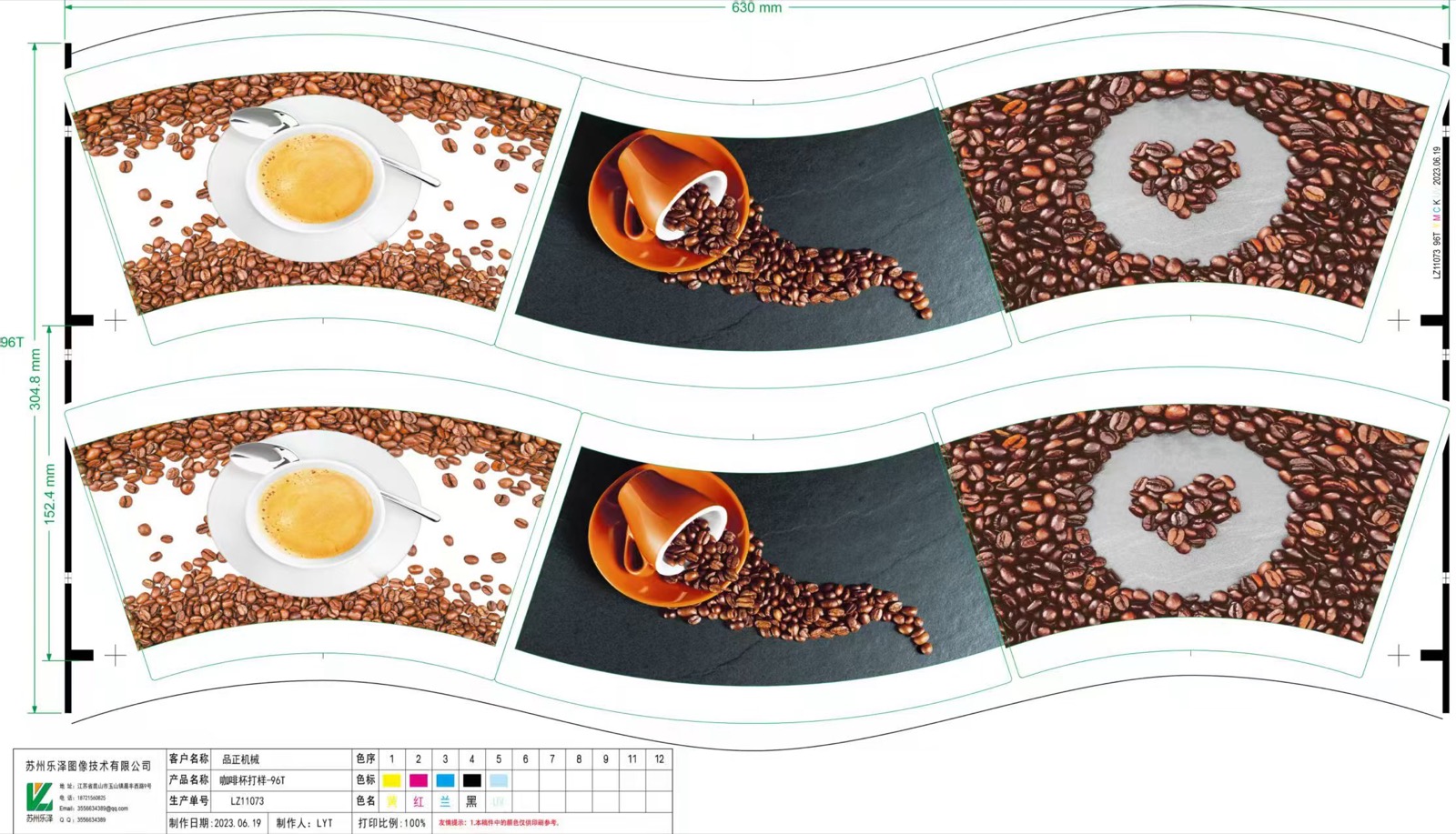
Protect print appearance through the full workflow
Printed cup surfaces may contact guides, feeders, forming parts, other cups, packing materials and distribution packaging. Marks can originate during printing, drying, cutting, forming, stacking, packing or transport rather than at only one station.
A controlled inspection distinguishes normal approved appearance from rubbing, scratching, ink transfer, coating damage or scuffing that affects the customer’s product. It should reproduce the agreed risk without creating an arbitrary test.
Build a print durability inspection table
| Control point | Evidence to inspect | Decision question |
|---|---|---|
| Artwork identity | SKU, file revision, color reference and print batch | Is the correct design under test? |
| Material system | Paper, coating, ink, finish and supplier batches | Is the approved combination being evaluated? |
| Initial appearance | Registration, color, contamination, scratches and existing marks | Was the sample acceptable before the test? |
| Test method | Contact material, pressure, motion, cycles and conditioning | Can another inspector repeat the test? |
| Result | Transfer, fading, smearing, scratches or coating disturbance | Does the sample meet the approved boundary? |
| Process location | Blank, formed cup, stack and packed-product checks | Where does damage first appear? |
| Record and action | Photos, retained samples, lot status and approver | Is the decision traceable? |
Start with the correct artwork and material system
Identify the cup SKU, artwork revision, approved color reference, paper, coating, ink or toner system, surface finish and supplier batches. Do not compare a production sample with an uncontrolled screen image or a different material structure.
The printing artwork and registration checklist establishes file identity, print orientation and approval evidence before durability is evaluated.
Separate initial defects from test-created damage
Inspect and photograph the sample before rubbing or handling. Record existing scratches, registration movement, spots, transfer, incomplete coverage, contamination or forming marks. Use consistent lighting and viewing conditions where appearance decisions depend on them.
Mark the evaluated area without damaging it. A result cannot be interpreted correctly if the inspector does not know which evidence existed before the test.
Define a repeatable rub or scuff method
The instruction should define the contact material, sample support, contact area, applied load or pressure, motion, number of cycles, speed, conditioning and acceptance boundary where those factors apply. Use the customer’s method or another approved internal method.
There is no safe universal cycle count or pressure for every ink, coating, cup and destination. Record the complete method so a supplier, printer and cup producer can reproduce the finding.
Inspect transfer and surface change
After testing, look for ink or coating transfer to the contact material, visible fading, smearing, scratches, gloss change, fiber disturbance or other defined evidence. Compare with an untested control from the same batch.
A photograph supports communication but can hide surface texture, gloss and minor transfer. Retain labelled physical samples when the quality plan permits and protect them from additional rubbing.
Check blanks, formed cups and packed stacks
Test or inspect at the points needed to locate risk: after printing, after cutting, after cup forming, after stacking and after the agreed packing simulation. A blank may pass a flat test but show damage after curved forming or cup-to-cup contact.
The stackability and de-nesting guide helps evaluate cup contact and handling after forming. Keep print durability and de-nesting decisions linked but separately recorded.
Sample starts, changes and distribution risks
Approve first-good printed material or cups before release, then sample according to risk. Add checks after artwork, paper, coating, ink, supplier, curing or drying, forming-contact, packing-material or transport-condition changes.
For short-run or variable artwork, define which designs and coverage areas need review. The paper cup digital printing machine page provides equipment context, while the final quality plan still depends on the actual print system and application.
Investigate the first location of damage
Compare samples from successive process points to find where abnormal evidence first appears. Review material identity, surface condition, drying or curing, guide contact, feeder cleanliness, forming alignment, stacking pressure and packing friction before changing several variables.
If the approved ink, coating, print route or handling method changes, document the evaluation through the production change control process.
Contain affected output and communicate evidence
Hold the affected print or cup lot, identify the last accepted and first abnormal sample, and prevent mixing. Preserve initial and tested samples, contact materials, photos and records of the method.
Use the defect classification and containment guide to define responsibility and disposition. Avoid describing every visible mark as an ink failure until process location and material evidence have been reviewed.
Frequently asked questions
Can print rub resistance be approved by rubbing with a finger?
An informal touch can reveal an obvious problem but is not a repeatable release method. Use a defined contact, force, motion and acceptance boundary.
Does a flat fan-blank test prove the formed cup will pass?
Not always. Forming, stacking and packing can introduce different contact and curvature, so inspect the process points required by the quality plan.
Is every scratch caused by the printing process?
No. Cutting, feeding, forming, stacking, packing and transport contact can also create marks. Compare samples across the workflow.
When should print durability approval be repeated?
Review relevant changes to artwork, paper, coating, ink, supplier, curing, forming contact, packing materials or the agreed test method.
Send your cup drawing, artwork, paper and coating, printing route, target output and destination through our inquiry page. HANNAI can discuss printing, cutting and cup-forming workflow considerations.