Paper cup machine delivery planning should confirm packing, documents, lifting responsibility, the unloading route and arrival inspection before the shipment leaves the factory.
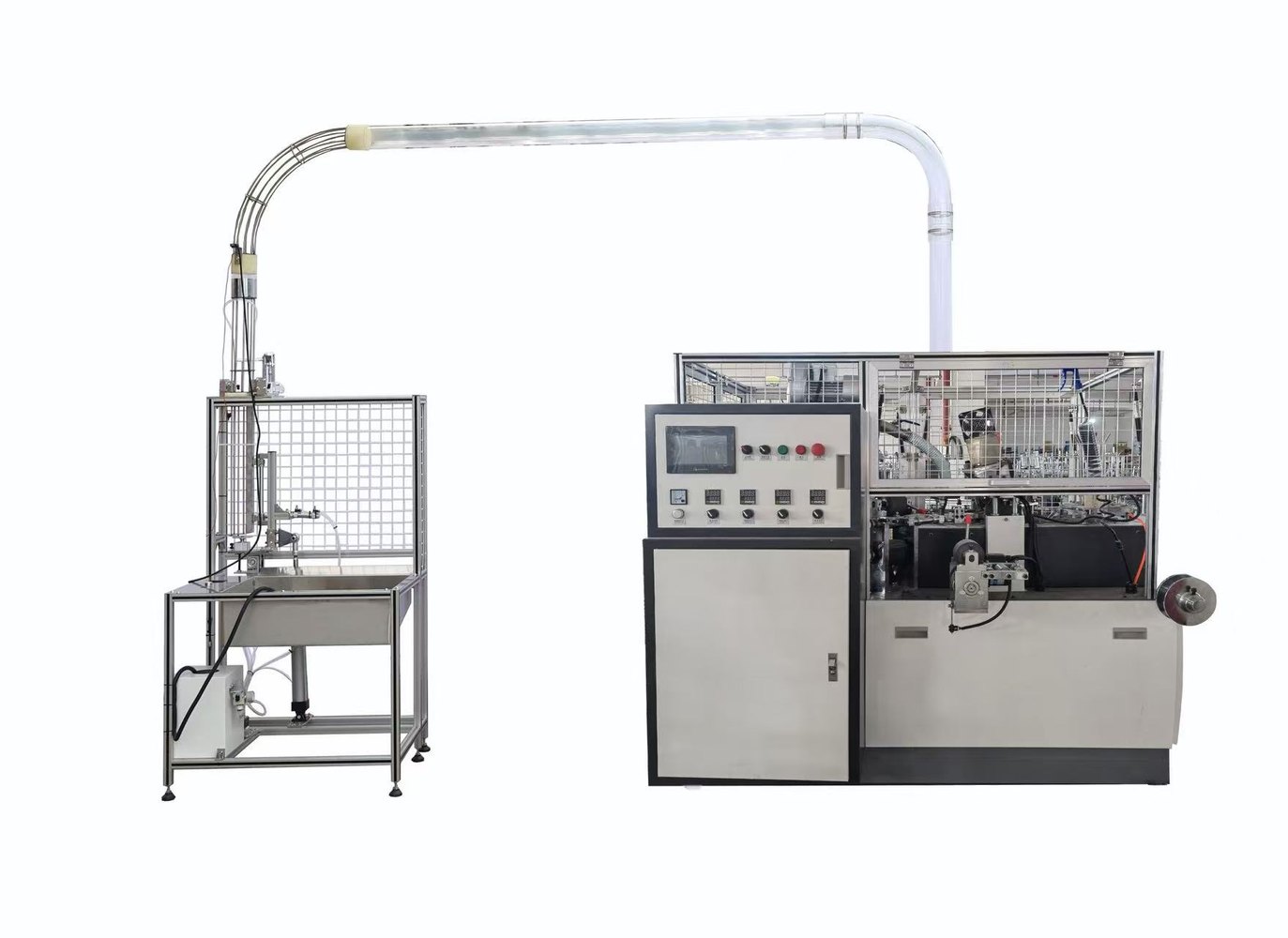
Begin delivery planning before the machine is packed
Shipping is not only a freight booking. The buyer, supplier and logistics provider need the final packing details, destination requirements and site route early enough to prevent last-minute changes. Confirm who is responsible for export documents, insurance, customs clearance, destination transport, unloading and movement inside the factory.
Use the agreed trade terms and contract to assign responsibilities. If any point is unclear, resolve it in writing before shipment release.
Confirm the final packing list and package information
The supplier should prepare a packing list that matches the shipment. It should identify the main machine, connected equipment, moulds, tools, approved spare parts and other loose items. Package marks should allow the buyer to match each case with the list after arrival.
| Delivery item | Information to confirm | Who needs it |
|---|---|---|
| Main package | Packed dimensions, gross weight, lifting or handling information | Freight forwarder, unloading team and factory |
| Loose items | Moulds, tools, parts, manuals and package location | Buyer receiving and installation teams |
| Shipping documents | Commercial, packing and transport documents required by the order | Buyer, forwarder and customs agent |
| Destination route | Port or terminal, road limits, site gate and indoor route | Destination carrier and factory |
| Unloading plan | Qualified contractor, suitable equipment and approved lifting method | Site manager and unloading team |
| Arrival inspection | Package condition, count, labels and damage reporting method | Buyer receiving team and insurer when applicable |
Use final packed dimensions—not the machine catalog size
The packed package can differ from the operating dimensions shown on a product page. Ask for final or confirmed packing dimensions and gross weight for every package. Share this information with the forwarder and unloading contractor.
Check the full destination route: road access, site gate, ramps, door width and height, turning space, floor capacity, ceiling obstacles, columns and the final machine position. A package that reaches the factory gate may still be unable to enter the production room.
Prepare a site-specific unloading and movement plan
Unloading and lifting must be planned by competent local professionals using the confirmed package and manufacturer information. Do not choose lifting equipment from an estimate or a photo. The team should know the package weight, center-of-gravity or lifting information provided for the equipment, ground conditions and the complete movement route.
- Restrict the unloading area to authorized personnel.
- Check ground, dock and indoor floor conditions.
- Use suitable rated equipment and approved attachment points.
- Protect the package from uncontrolled impact, tilting and weather exposure.
- Keep the packing case stable until the approved unpacking location is ready.
Never stand under a suspended load or improvise a lifting point on the machine. Follow the manufacturer information and the unloading contractor’s approved method.
Keep documents and evidence organized
Before dispatch, retain the purchase reference, final packing list, package photos, marks, seal information when applicable and transport documents. Photograph the condition of the packages from several sides. These records help the receiving team check the shipment and support a timely claim if visible transport damage occurs.
Keep digital copies available to the site team. Do not place the only copy of a required document inside a case that cannot be opened before customs or receiving checks are completed.
Inspect the shipment before moving or unpacking
At arrival, compare package quantity and marks with the transport documents before the shipment is moved. Photograph the container or vehicle, seals when relevant, every package and any visible impact, water exposure or broken packing. Record exceptions on the carrier’s delivery document according to the contract and insurer requirements.
If serious damage or an unsafe condition is suspected, stop and obtain guidance before unpacking or energizing the equipment. Do not discard damaged packing materials until the condition and reporting requirements have been reviewed.
Check loose items against the packing list
After safe unpacking, identify the machine, moulds, tools, accessories, documents and approved spare parts. Keep small labelled items together and record their storage location. Use photos and part codes instead of relying on informal names.
The spare-parts checklist explains how to build a model-specific register. If the shipment includes several machines or mould sets, keep each item linked to the correct machine and cup SKU.
Move from receiving to installation control
Arrival does not mean the machine is ready to run. Positioning, leveling, utilities, inspection, commissioning and operator training should follow the machine documentation and approved site plan. Keep the equipment protected while the production area is still being prepared.
Before connecting power or compressed air, complete the paper cup machine installation and startup checklist. Buyers planning multiple machines or supporting equipment should also review the factory layout planning guide.
Information to send before requesting a shipping quotation
- Final destination country, city and delivery point
- Selected machine and supporting equipment
- Preferred transport method and required delivery schedule
- Whether the site has a loading dock or ground-level receiving area
- Gate, door and internal route constraints
- Local contact for customs, unloading and installation coordination
- Any destination documentation requirements identified by the buyer or agent
Frequently asked questions
Can I plan unloading from the machine dimensions on the website?
No. Use the confirmed packed dimensions, gross weight, package count and manufacturer handling information for the actual order.
Who should arrange the forklift or crane?
Responsibility depends on the contract and delivery terms. The equipment and method should be selected by competent local professionals using the confirmed package and site conditions.
What should I do if the packing case is damaged?
Photograph the condition immediately, record the exception with the carrier as required, protect the shipment from further damage and follow the contract or insurance reporting procedure before discarding packing materials.
Can the machine be powered on immediately after unloading?
No. Complete the required positioning, utility, inspection and commissioning steps first. Follow the machine documentation and use qualified personnel.
Send the selected equipment, destination, required schedule and receiving-site details through our inquiry page. HANNAI can provide the order-specific packing information needed for logistics planning.