Compare a new and used paper cup machine by product fit, machine condition, test evidence, documentation, parts support, installed cost and production risk.
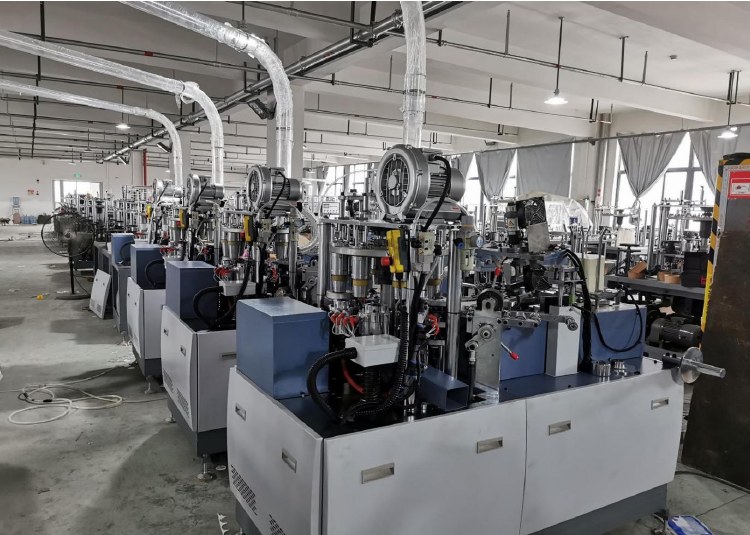
Start with the cup project, not machine condition
A new machine and a used machine should first be compared against the same finished cup and production requirement. Prepare top and bottom diameters, height, capacity, paper GSM, coating, required output, cup range, voltage, destination and supporting equipment.
If the machine cannot match the product, a low acquisition figure does not make it suitable. Buyers defining their first configuration can review the paper cup machine selection checklist and current HANNAI equipment range.
Use one comparison sheet
| Comparison area | New-machine evidence | Used-machine evidence |
|---|---|---|
| Product fit | Confirmed configuration and tooling proposal | Installed mould range and verified compatibility |
| Machine identity | Model, specification and order documents | Nameplate, serial identity, age and ownership history |
| Condition | Pre-shipment inspection and factory test | Inspection of wear, repairs, controls and operating history |
| Test evidence | Agreed cup, material and acceptance record | Test using the target cup or documented limitations |
| Support | Warranty, training, documents and parts scope | Available documents, compatible parts and service responsibility |
| Installed cost | Machine, freight, utilities and commissioning | Purchase, refurbishment, missing parts, transport and startup work |
Verify identity and ownership history
For any machine, record the manufacturer, model, nameplate details and quoted configuration. A used-machine evaluation should also identify the seller, previous application, operating location, approximate service history and reason for sale where evidence is available.
Check whether photos, videos, nameplate and inspection records refer to the same machine. Do not rely on generic workshop media. Missing identity or unclear ownership makes documents, parts matching and technical support more difficult.
Inspect condition by machine system
A used machine needs a structured inspection of the frame, drive, feeding, forming stations, heating or sealing system, controls, sensors, guards, lubrication points and cup collection. Record visible wear, corrosion, temporary repairs, leaks, unusual sound and replaced components.
The inspection should be performed by qualified personnel. A clean exterior does not prove internal condition, and a running video does not show accuracy, long-duration stability or remaining service life.
Test with the intended cup and material
Ask for a test using the target cup dimensions, paper and mould whenever practical. Record running conditions, duration, formed pieces, accepted cups, rejects, stops and adjustments. Inspect side seam, bottom, rim, appearance, stacking and the agreed leakage method.
When the exact material cannot be tested, state what remains unverified. Use the FAT checklist as a structure for machine identity, material, operation, finished-cup evidence and open actions.
Confirm tooling, controls and missing items
List every included mould, change part, tool, sensor, controller, heater, document and loose accessory. Verify which components belong to the planned cup and which are unrelated to the buyer’s product. Replacement tooling can change both cost and delivery planning.
For older controls, confirm whether documentation, software access and replacement components are available through legitimate support channels. Do not assume a control retrofit is simple until interfaces and safety functions have been reviewed.
Evaluate parts and technical support
A new-machine order should define warranty, commissioning, training, remote support and spare-parts responsibilities. A used-machine buyer needs to confirm whether the original supplier will support the equipment, whether model-specific parts remain available and who will perform refurbishment.
Build an initial parts register using the spare-parts checklist. Record part identity and evidence rather than ordering from appearance alone.
Check documentation and local compliance
Review available operating information, electrical and pneumatic references, maintenance records, mould details and safety documentation. Missing documents can increase installation and troubleshooting time.
The buyer remains responsible for applicable import, electrical, workplace and local safety requirements. Any modification should be reviewed by qualified specialists and documented before operation.
Compare installed cost and production risk
Include freight, unloading, refurbishment, replacement parts, tooling, electrical adaptation, air equipment, installation, testing, training and startup material. Estimate the effect of uncertain downtime or delayed parts on customer delivery.
A used machine may fit a buyer with strong technical resources and a verified match. A new machine may provide clearer configuration, documentation and support. The decision depends on evidence and risk tolerance, not a universal rule.
Keep a separate contingency for items that cannot be inspected before purchase. Mark each assumption as confirmed, estimated or unknown, then decide which unknowns require a technical inspection or written clarification before payment and shipment.
Plan commissioning before the purchase decision
Confirm who will install, connect, test and train operators for each option. A machine that runs at the seller’s site still needs verified utilities, production material, quality criteria and responsible support at the destination. Include the commissioning method and acceptance evidence in the comparison.
Frequently asked questions
Is a used paper cup machine always cheaper?
Not necessarily after refurbishment, missing tooling, utilities, transport, parts, startup delays and production risk are included. Compare installed and operating scope.
What is the most important used-machine test?
Verify machine identity and run the intended cup and material under an agreed acceptance method. A short unrelated demonstration is not enough.
Can the original manufacturer support a second-hand machine?
Support policies vary. Confirm the serial identity, current configuration, available documentation, parts and service terms directly with the relevant supplier.
What information should I send when comparing options?
Send cup drawings or samples, material, target output, cup range, voltage, destination, available machine evidence and required service scope.
Send your cup specification, material, output target, factory utilities and available machine information through our inquiry page. HANNAI can discuss a new-machine configuration against the same project requirements.