To choose a paper cup machine, begin with the cups you intend to supply and the production conditions you can support. Model names and headline speeds become useful only after the finished product, material and required workflow are defined.
The selection process should answer three questions: can the configuration make the intended cup, can the factory operate it effectively, and can the supplier provide relevant evidence before the purchase is approved?
Define the cup before comparing equipment
Prepare the top diameter, bottom diameter, height, material information and intended application. Include a finished sample or drawing where possible. If a lid is required, identify the lid and rim relationship rather than assuming cups with the same nominal volume are interchangeable.
List your first production size separately from future products. This allows the supplier to distinguish the starting mould requirement from later change parts. A wide catalogue range should not replace a specific answer about your sample.
Check material compatibility through an agreed sample
Paper, coating, blank dimensions and bottom material need to be considered together. Describe how those materials will be sourced and whether the supplier will receive representative samples for evaluation.
Ask what remains to be tested before final selection. Record the material identity and cup drawing used in any demonstration. If a test uses a different stock, note that difference and agree which further confirmation is necessary. A successful demonstration supports the tested combination; it does not establish compatibility with every paper or coating.
Turn customer demand into a production requirement
Describe the cups customers need, their order frequency and the time available for production. Include the expected mix of sizes and designs. A factory producing one stable size has a different planning problem from one handling frequent short orders.
Use the production capacity calculation guide to distinguish rated output from the accepted cups available for packing. Account for setup, material replenishment, inspection, rejected production and changeovers using evidence from your operation or an agreed trial.
Compare configurations with one decision sheet
| Selection area | Buyer information | Evidence to request |
|---|---|---|
| Cup and tooling | Drawing, samples and planned size range | Proposed moulds and compatibility discussion |
| Material | Identified fan and bottom stock | Sample test and unresolved material conditions |
| Production | Demand, shifts and change frequency | Relevant operating demonstration and scope |
| Factory | Power, air, space and handling | Utility and installation information |
| Operation | Operator experience and support needs | Training, documentation and service arrangements |
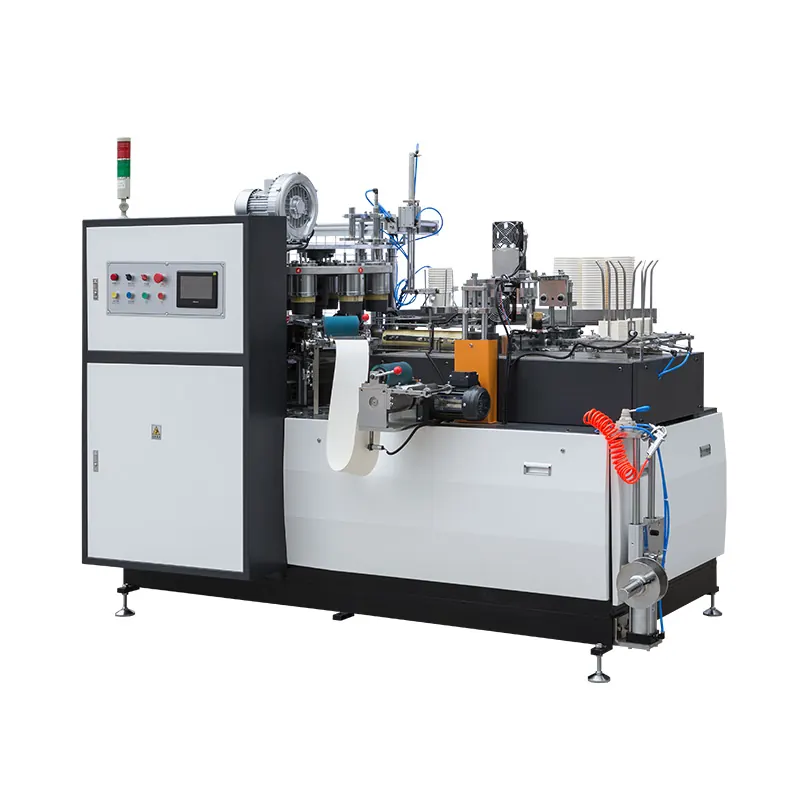
The HN-M100 automatic paper cup machine is one product page to review during this process. Confirm suitability for the actual cup and configuration rather than deciding from a model label alone.
Check the stages around forming
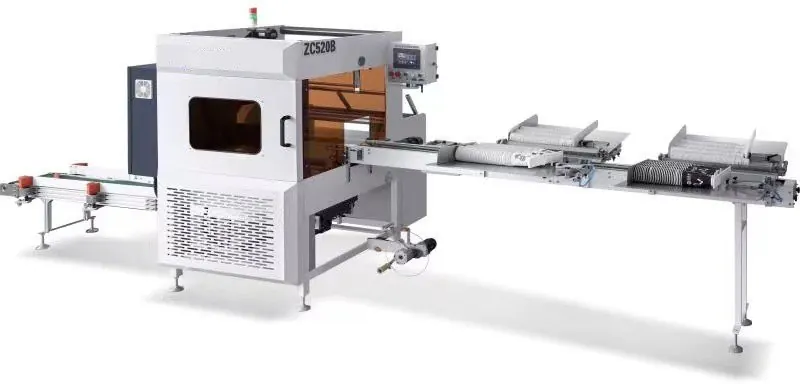
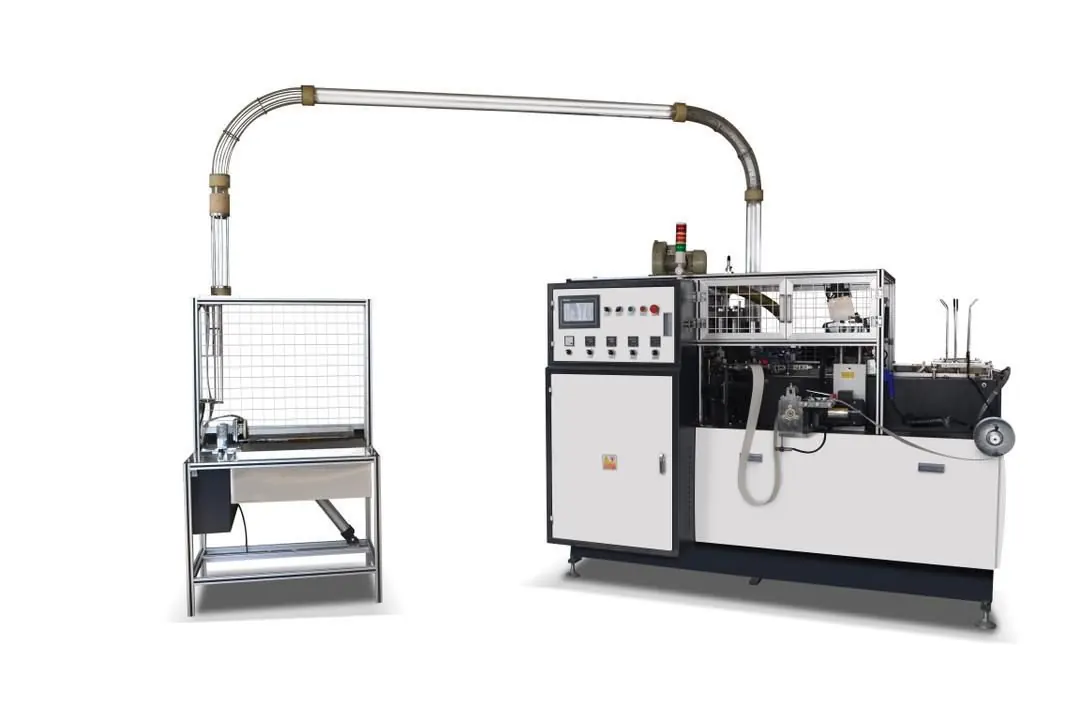
Identify how fans reach the machine and how finished cups are collected, inspected and packed. A forming machine that exceeds downstream handling capacity may not increase ready-to-deliver output.
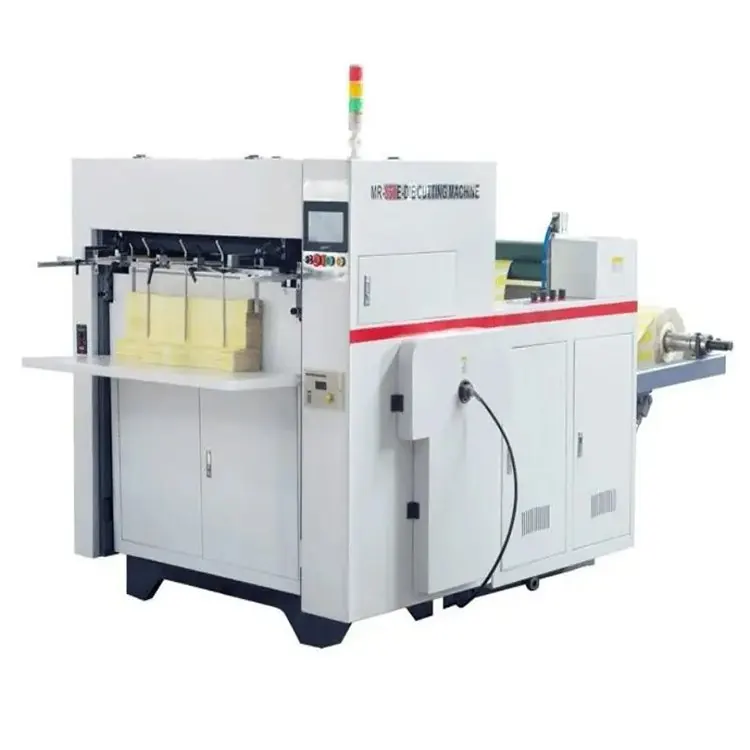
Confirm who prepares blanks and controls printed artwork. If you buy fans externally, discuss supply continuity and receiving checks. If you prepare them internally, include printing and cutting interfaces in the project plan. Equipment selection should reflect the whole workflow the factory will operate.
Match the machine to the installation site
Request the utility, space and service-access information for the proposed configuration. Share local electrical conditions and describe the available compressed-air system. Qualified local personnel should assess installation requirements against supplier documentation and applicable site rules.
Also identify how the machine will be unloaded and moved into place. Delivery access, storage and commissioning preparation deserve attention before arrival, when changes are easier to organize.
Agree on evidence before ordering
The paper cup machine buyer checklist can help organize final questions. Confirm the quotation identifies the configuration, moulds, accessories and support responsibilities already discussed.
Define what a relevant acceptance demonstration will show: the agreed cup and material, machine identity, operating conditions and inspection method. Record unresolved items and how they will be closed. Keep this evidence linked to the final order rather than relying on a general video of a similar machine.
Frequently asked questions
Should I choose the highest-speed machine?
Choose capacity that fits demand and the surrounding workflow. Higher rated speed alone does not resolve material, changeover, quality or packing constraints.
Can cups with the same volume require different moulds?
Yes. Diameter, height and construction can differ. Use drawings or samples to establish the tooling requirement for each intended product.
What should I send before asking for a recommendation?
Send cup dimensions or samples, paper and coating details, output goals, product range, factory utilities and the processes you want to operate internally.
How can I compare two proposed machines fairly?
Ask both suppliers to respond to the same production brief. Compare configuration and relevant test evidence, then review price and responsibilities within that common scope.
Discuss your cup and production plan
Send the specification and operating requirements through the HANNAI inquiry page. Start with the first cup you need to make and identify future sizes as separate planning items.