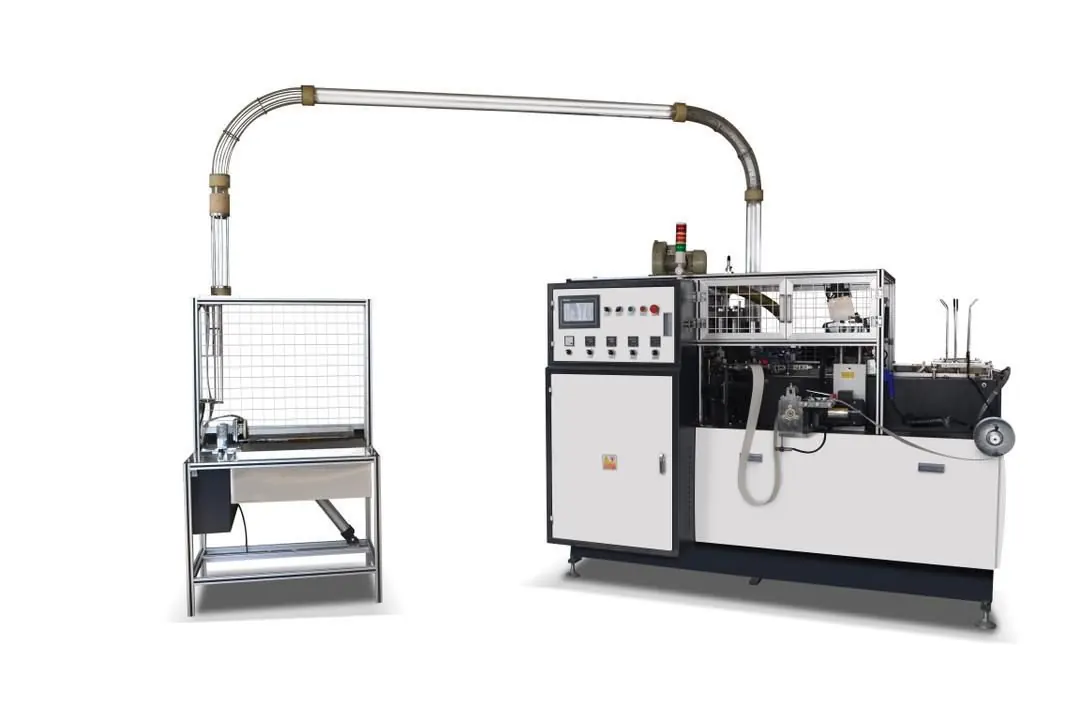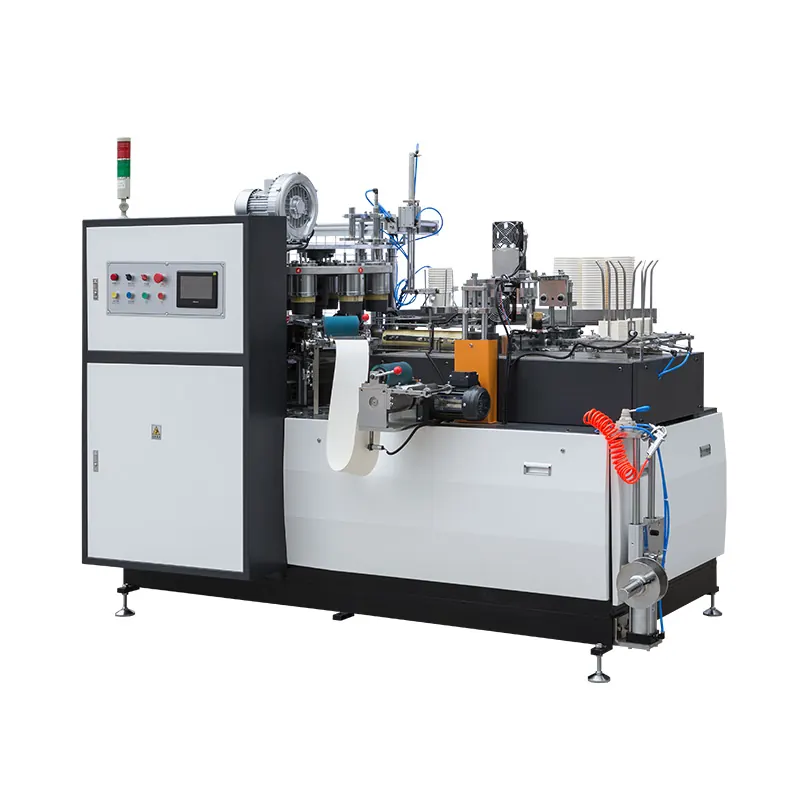
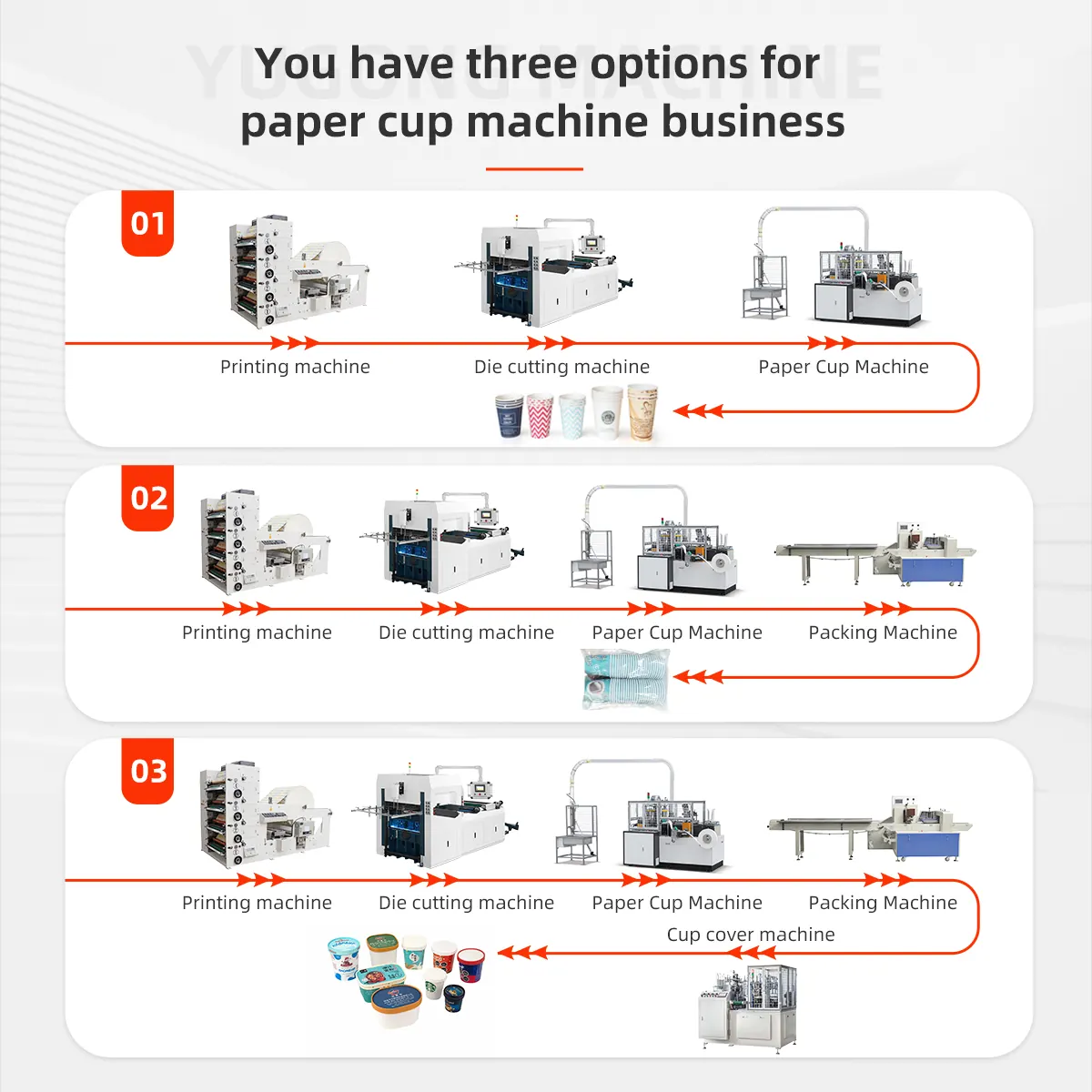
Paper cup production line requirements depend first on the material entering your factory. A business buying prepared cup fans needs a different equipment scope from one that prints and cuts its own paper. Choosing the route before choosing individual machines helps keep the production plan practical.
Both routes need a workable way to form, inspect, count and pack cups. The decision is how much upstream preparation you will operate internally, which suppliers you depend on and what your team can manage at the current project stage.
Start with the material you will purchase
Identify whether your supplier provides plain fans, printed fans, sheets or rolls. Also confirm bottom material and the cup specification those materials are intended to support. A cup fan is the shaped sidewall blank; it should not be confused with a finished cup.
Ask who controls artwork approval, cutting dimensions, coating details and material identification. Those responsibilities remain important even when the corresponding process is outsourced. Your forming machine still has to work with the material delivered to it.
Route A: buy prepared fans and operate forming
This route focuses the factory on material receiving, cup forming, inspection and packing. It can be a practical starting point when a suitable blank supplier is available and the product range is still developing.
Before ordering forming equipment, obtain representative fans and bottom material for the proposed cups. Agree how replacement orders will keep the same specification and how supplier changes will be communicated. Purchased fans simplify the internal process, but they introduce dependencies on availability, artwork revisions and delivery schedules.
Route B: prepare blanks in-house
A broader project may include printing, cutting, forming and packing. Review the HANNAI paper cup production line to identify the stages that need discussion.
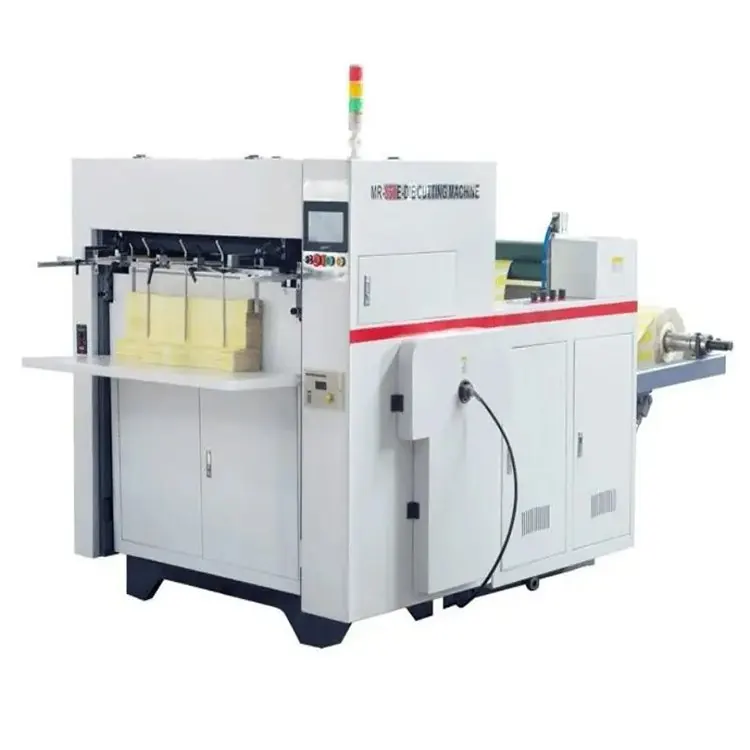
In-house preparation gives the buyer more processes to control. It also requires operators, material storage, quality checks and coordination between machines. Specify the printing format and cutting route before assuming that independently selected equipment will work together.
Compare routes using the same finished-cup requirement
| Planning question | Prepared-fan route | In-house preparation route |
|---|---|---|
| Who controls blank dimensions? | External supplier with receiving checks | Internal cutting process with agreed drawings |
| Who approves printed artwork? | Buyer and blank supplier | Buyer and internal printing team |
| What changes between designs? | Material orders and stock identification | Files, print preparation and cutting coordination |
| What must the factory prepare? | Forming, inspection and packing workflow | Upstream processes plus forming and packing |
| What evidence supports the route? | Suitable supplied blanks and continuity plan | Compatible equipment and tested process interfaces |
Neither route is automatically the better choice. Compare repeat orders, design variety, supplier reliability and the resources available to operate additional processes.
Verify the interfaces between machines
A list of machine names is not a line specification. Check how printed material moves to cutting, how cut fans are identified and transferred, and how finished cups reach inspection and packing.
The die cutting machine page provides a starting point for blank-preparation discussions. Confirm the material format, blank geometry and intended cutting application rather than selecting equipment by working width alone.
Define who checks the first sample after a process change. A printed image can look correct on flat material while its position becomes unsuitable after cutting and forming. Inspect the finished cup as well as the intermediate work.
Plan utilities, space and downstream capacity
Each machine needs an installation plan that covers its utility demand, service access and material movement. Use the factory layout planning guide to map storage, operation, inspection and packing areas together.
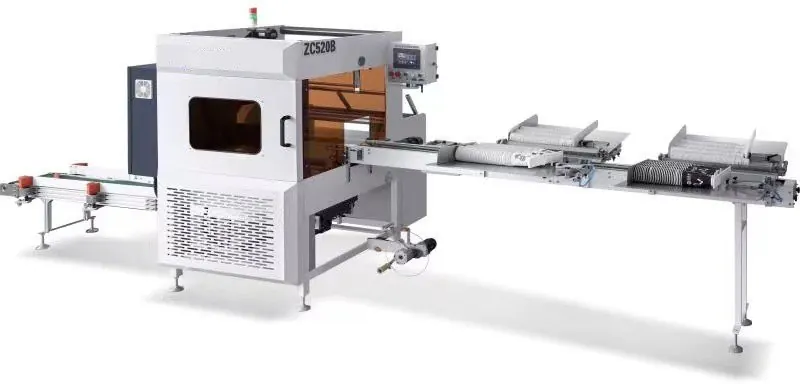
Also estimate the capacity of collection and packing. Faster forming cannot solve a bottleneck that leaves accepted cups waiting to be counted or bagged. Define the point at which cups become ready for customer delivery, then plan each stage around that output.
Expand after identifying the constraint
Keep a record of shortages, setup time, rejects and unfinished stock during actual operation. Use that evidence to decide whether the next investment belongs in blank supply, forming, handling or packing.
A staged project should still allow for future access and connections. It does not require purchasing every optional machine immediately. Ask the supplier which later additions affect the starting configuration and which can be evaluated separately.
Frequently asked questions
Does every startup need printing and die cutting?
No. A project can begin with suitable purchased blanks. The buyer must still confirm material compatibility, supply continuity and the quality checks needed before forming.
What information is needed for line planning?
Provide cup samples or drawings, material sources, artwork requirements, output goals, planned product range, factory utilities and the processes you want to operate internally.
Can machines from different suppliers form one production workflow?
Potentially, but compatibility needs to be established at each interface. Assign responsibility for material format, dimensions, handoff and sample approval instead of assuming compatibility from brochures.
When should packing equipment be considered?
Consider the packing method from the start. The decision to automate it should follow the actual order mix, handling requirements and measured production constraints.
Discuss the right starting scope
Use the HANNAI inquiry page to share your cup specification, material sourcing plan and required output. Explain whether you want a forming-only start, in-house blank preparation or an expansion of an existing factory.