Paper cup body stiffness and compression inspection requires an approved cup, controlled conditioning, repeatable support, traceable samples and relevant use checks.
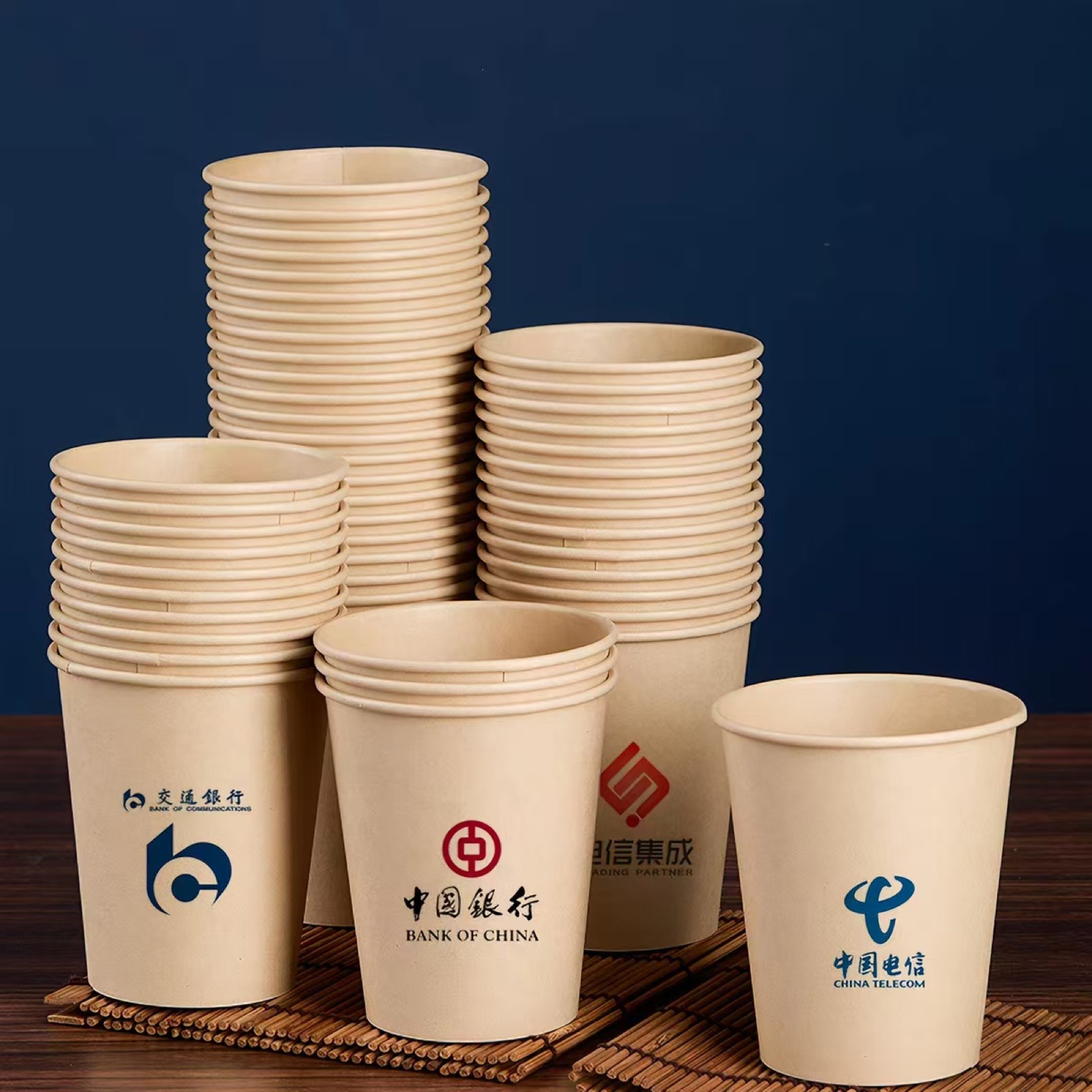
Define the buyer problem before selecting a test
A cup body may feel too soft, deform during gripping, lose shape in packing or behave differently after filling. These observations can involve paper structure, coating, cup geometry, side seam, rim, bottom, storage and the way the test is performed.
“Stiffness” and “compression strength” are not one universal number. The project must define which direction, contact area, deformation, load, use condition and acceptance boundary are relevant.
Build a body stiffness inspection table
| Control point | Evidence to define | Decision question |
|---|---|---|
| Product identity | Cup SKU, drawing, material, coating, mould and batch | Is the approved cup being evaluated? |
| Conditioning | Storage history, sample age and project-defined environment | Are samples comparable? |
| Test direction | Sidewall, top-to-bottom or another defined loading direction | Does the method match the buyer concern? |
| Support and contact | Fixture, cup orientation, contact area and loading rate | Can another inspector repeat the method? |
| Result | Load, deformation, recovery, visible damage or pass/fail evidence | Does the sample meet the approved boundary? |
| Sampling | Start, routine, material change and retained samples | Is production variation represented? |
| Functional link | Grip, filling, stacking or packing check required by the project | Is the result relevant to actual use? |
Control cup identity and sample history
Record the cup SKU, drawing revision, mould, paper, coating, fan and bottom-paper batches, machine, time and sample position. Cups that look alike can have different geometry or material structure and should not be mixed in one comparison.
The dimensional consistency guide explains how top diameter, bottom diameter, height and profile are measured. Geometry should be reviewed before a stiffness difference is assigned only to paper.
Condition and handle samples consistently
Protect samples from crushing, excessive nesting force, moisture, heat, direct sunlight and careless handling. If the approved test requires a conditioning time or environment, record it. Do not copy a temperature or humidity rule without a project or standard basis.
Test comparable sample age and storage history. A cup taken directly from a warm process and one stored for a different period may not provide a fair material or machine comparison.
Select the loading direction that matches the risk
Sidewall compression, top-to-bottom loading and localized grip tests represent different concerns. Define where force is applied, how the cup is oriented and whether the seam position is controlled. Do not combine results from different methods.
Use a suitable fixture or instrument where numerical results are required. Hand squeezing can support an initial comparison but cannot provide a repeatable release value unless the procedure defines the complete method.
Define deformation and failure evidence
The instruction should state whether the result is a force at a defined deformation, maximum load, visible buckling, permanent set, recovery, seam damage or another approved observation. Record actual values when measured rather than only writing “pass.”
A high force is not automatically better if the cup no longer meets grip, lid, stacking or customer requirements. Acceptance comes from the controlled product specification, not from maximizing one number.
Sample across material and production changes
Approve first-good cups and continue according to the risk-based sampling plan. Add samples after paper, coating, supplier, fan blank, mould, forming setting or relevant equipment-condition changes.
The quality inspection and sampling guide helps identify production windows and retained evidence. A single cup cannot prove that stiffness remained consistent through a full lot.
Connect the laboratory result to cup use
Review the functions relevant to the project, such as normal gripping, filling, lid application, stacking, de-nesting and packing. A compression result may support these decisions but does not automatically replace each separate check.
The stackability and de-nesting guide covers cup-to-cup handling. Keep the methods separate so a good stack result is not misreported as proof of sidewall strength.
Investigate drift through material and process evidence
When results move, compare cup identity, conditioning, tool or fixture, operator method, paper and coating batches, dimensions, seam, rim, bottom and forming conditions. Confirm the measurement system before changing machine settings.
Use controlled trials and change one authorized factor at a time where practical. Record any new material or production reference through the production change control process.
Contain suspect cups and preserve comparisons
Hold the affected output, identify the last accepted and first abnormal sample, and segregate related batches. Retain good and abnormal cups before destructive testing removes useful evidence.
Record test conditions, readings, photos and machine observations. For a forming project using the HN-M100 automatic paper cup machine or another configuration, final material, mould and quality criteria depend on the buyer’s confirmed cup.
Frequently asked questions
Can paper cup stiffness be judged by squeezing one cup?
A hand check may reveal a large difference, but it does not replace a repeatable method, controlled samples and the approved acceptance boundary.
Does higher paper GSM always produce a stiffer finished cup?
Not necessarily. Paper structure, coating, geometry, forming and conditioning can also affect the result. Evaluate the approved complete cup.
Is sidewall compression the same as top-load testing?
No. They apply force in different directions and can represent different risks. Define and report each method separately.
When should stiffness approval be repeated?
Review relevant changes to paper, coating, supplier, cup geometry, mould, forming conditions, storage or the approved test method.
Send your cup drawing or sample, paper and coating details, stiffness requirement, planned sizes, target output and destination through our inquiry page. HANNAI can discuss configuration and project trial information.