A paper cup machine lubrication plan connects every approved lubrication point with the correct lubricant, quantity method, interval, machine state, contamination control and maintenance record. More lubricant is not automatically better, and one product is not automatically suitable for every bearing, chain, cam or gearbox.
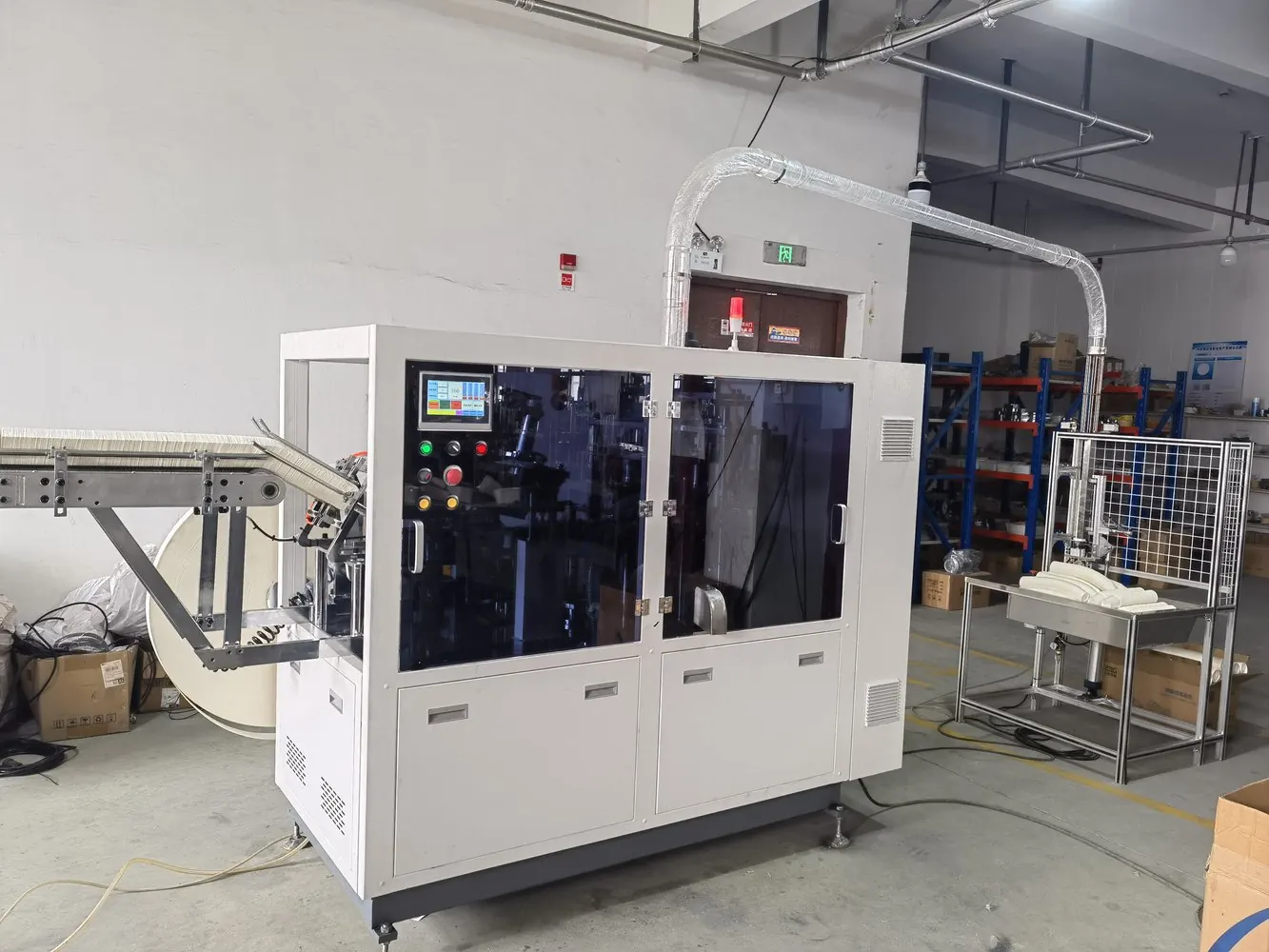
Build the plan from the supplied machine documentation
Start with the lubrication chart, maintenance manual, component instructions and machine layout. Identify manual points, centralized systems, sealed components, chains, cams, gears, slides, bearings and gearboxes without assuming that every visible moving part should receive lubricant.
Record inaccessible points and the safe machine position required for service. Guards must be restored after work, and stored energy or unintended movement must be controlled through the factory’s isolation procedure.
Use a lubrication control table
| Control point | Evidence to define | Decision question |
|---|---|---|
| Point identity | Machine area, component, tag and photo | Can technicians find the exact approved point? |
| Lubricant | Approved type, grade, supplier reference and compatibility | Is the product correct for the component and environment? |
| Application | Quantity method, tool, route and machine state | Can the amount be applied repeatably without contamination? |
| Interval | Time, operating hours, cycles or condition trigger | Does the interval reflect real use and exposure? |
| Inspection | Leakage, colour, contamination, level, noise and temperature | Is there evidence of deterioration or incorrect application? |
| Record | Date, point, product, amount, technician and finding | Can the next decision be traced? |
Control lubricant identity and compatibility
Keep the approved product name or technical specification with the lubrication point. Control substitutes through engineering or supplier review, including base oil, viscosity or consistency, additives, temperature range, seal compatibility and any hygiene requirement.
Do not mix products simply because they have a similar colour or label description. Incompatible thickeners or additives can change flow, separation and protection. Clean tools and labelled containers help prevent accidental mixing.
Apply the defined amount—not an estimated maximum
Over-lubrication can create heat, leakage, drag, seal damage and contamination. Under-lubrication can increase wear, noise and temperature. Use the approved pump strokes, measured amount, level reference or condition method for that point.
Wipe the fitting and application tool before connection. Protect nearby paper paths, heaters, sensors, belts and finished-product areas from splashes or migrated lubricant.
Set intervals from operating conditions
The manual provides the starting requirement, but the maintenance plan should also record operating hours, speed profile, stops, dust, temperature, cleaning exposure and observed lubricant condition. Long idle periods and frequent washdown or dust exposure may change the inspection need.
Coordinate daily operator observations with planned maintenance. The shift handover checklist can capture new noise, heat, leaks or low-level indications before the next scheduled task.
Inspect automatic and centralized systems
Where installed, check reservoir level, correct product, pump operation, alarms, filters, distributors, lines, fittings and evidence that lubricant reaches the intended points. A full reservoir does not prove delivery through every branch.
Investigate blocked lines, damaged tubing and unexplained consumption through the system procedure. Do not increase the central setting to compensate for one unconfirmed branch.
Prevent paper and cup contamination
Plan service to prevent lubricant contact with blanks, bottom paper, forming tools, conveyors and finished cups. Use controlled quantities, drip protection and post-maintenance cleaning and inspection. Hold affected material if contamination is suspected.
The machine cleaning and hygiene checklist helps separate authorized maintenance products from production contamination. Applicable customer and destination requirements still need independent confirmation.
Use condition evidence to improve the plan
Record abnormal colour, particles, water, foam, odour, leakage, level movement, heat, noise and component wear. Preserve samples where analysis is required. A shortened interval should not replace investigation of seals, alignment, load, ingress or the wrong product.
For a high-speed machine such as the HN-180, final points and intervals remain model- and configuration-specific. Use the delivered documentation rather than copying a plan from another machine.
Frequently asked questions
Can one grease be used for every paper cup machine point?
Do not assume so. Bearings, cams, chains, gearboxes and centralized systems may require different properties. Follow the supplied chart and component specification.
Is visible grease around a bearing proof of correct lubrication?
No. External grease may indicate over-application or leakage and does not prove that the working surfaces receive the correct product and amount.
Should lubrication intervals be based only on calendar days?
Not necessarily. The approved plan may use operating hours, cycles, condition or calendar time and should consider speed, environment, stops and cleaning exposure.
What should happen after a lubricant substitution?
Review compatibility and component requirements, authorize the change, define any cleaning or flushing method, update labels and records, and monitor the affected points after release.
Send the machine model, operating schedule, current manual or lubrication chart, environment, lubricant list and abnormal photos through our inquiry page. HANNAI can discuss the documentation needed for the supplied configuration.