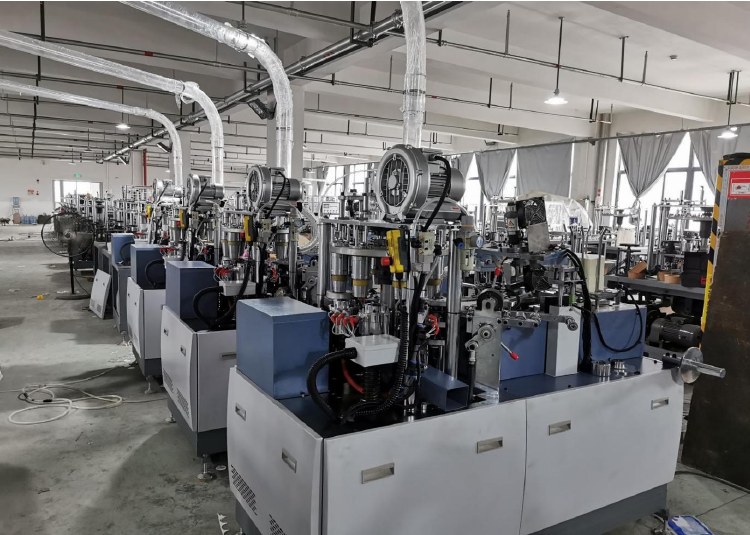
Comparing a new vs used paper cup machine requires more than comparing age and purchase price. The intended cup, actual configuration, technical condition and available support determine whether the equipment can be put into useful production. Neither category automatically establishes a good purchase.
Use the same application brief for every option. This guide is a buyer evaluation framework, not a statement that HANNAI supplies or certifies used equipment. Confirm the seller's scope and evidence for each machine under review.
Confirm identity and the installed configuration
Request model, serial identity, fitted tooling and component/configuration information. Match the documents to the actual equipment. For a used machine, ask about modifications, repairs and missing accessories rather than assuming the original catalogue describes its present state.
For a new proposal, distinguish ordered options from standard descriptions and equipment not included. Use the quotation checklist to keep scope comparable.
Assess the intended cup and material
Provide the drawing, material and accepted-output requirement. Ask what trial can demonstrate the application and what remains uncertain. A machine running another product proves something about that tested configuration, not automatic suitability for your cup.
Review tooling and change-part requirements for each starting size. Missing or undocumented components can change the preparation required. The mould selection guide helps define those references.
| Comparison item | New-equipment evidence | Used-equipment evidence |
|---|---|---|
| Configuration | Confirmed order and installed options | Current identity and modification record |
| Application | Agreed material/cup trial | Representative trial on current condition |
| Technical condition | Acceptance findings and open items | Qualified inspection and repair findings |
| Documents | Delivered current references | Availability and correspondence to actual machine |
| Parts/support | Written supplied scope | Confirmed compatibility and available support |
| Preparation | Delivery/site responsibilities | Moving, repair and recommissioning scope |
Obtain a qualified condition assessment
Have appropriately qualified personnel assess condition using the seller's documentation and applicable site requirements. Identify wear, damage, incomplete functions and uncertain protective arrangements for investigation. A clean appearance or a quiet short run does not establish technical condition.
Record what was inspected and what could not be evaluated. Do not conduct hazardous tests or bypass protection to obtain a quick demonstration. A condition report should distinguish observed findings from predictions about remaining service life.
Review documents and replacement support
Check whether manuals, electrical information, part references and relevant application records match the machine. Identify gaps before agreeing the preparation plan. Undocumented modifications can complicate diagnosis and replacement compatibility.
Use the spare-parts checklist to review parts identification. Ask for current support availability; do not assume continued stocking, free service or a response deadline from the equipment's age or brand alone.
Compare total preparation and operating scope
Separate purchase from transport, installation, any required repairs, tooling, training and initial material. Obtain credible commercial inputs and leave unknown costs open. The lower advertised price may cover a different starting boundary.
Use the total cost of ownership guide with equivalent output and cost definitions. Avoid inventing a depreciation rate, remaining-life estimate or guaranteed saving for either option.
Agree acceptance before committing the project
Identify required trials, documents and unresolved-item dispositions. For equipment moved to a new site, verify the destination utilities and the recommissioning scope. Previous operating history does not replace checks under the buyer's installed conditions.
The site acceptance guide connects installation, application and production evidence. Record any limitation rather than converting a partial demonstration into full approval.
Frequently asked questions
Is newer equipment always the better choice?
No. Compare application evidence, condition, preparation and support under the same purchase boundary.
Can machine age establish remaining service life?
Not by itself. Condition, configuration and operating history require a qualified assessment.
Does a running video prove suitability?
It supports a defined trial record but does not establish every quality, technical or site requirement.
Does this guide imply HANNAI sells used machines?
No. Confirm the scope of each actual seller's offer; the guide provides comparison questions for buyers.
Review your purchase brief
Send cup/material requirements and the evidence you need for a new-equipment configuration through the HANNAI inquiry page. Keep third-party used-equipment condition and support claims attributed to their source.