A changing cut position does not independently identify gear backlash. The result can involve printed reference position, web advance, material behavior, detection or the actual drive mechanism. Before investigating a gear pair, confirm what machine construction is present and which feature is being measured.
Define construction and measurement separately
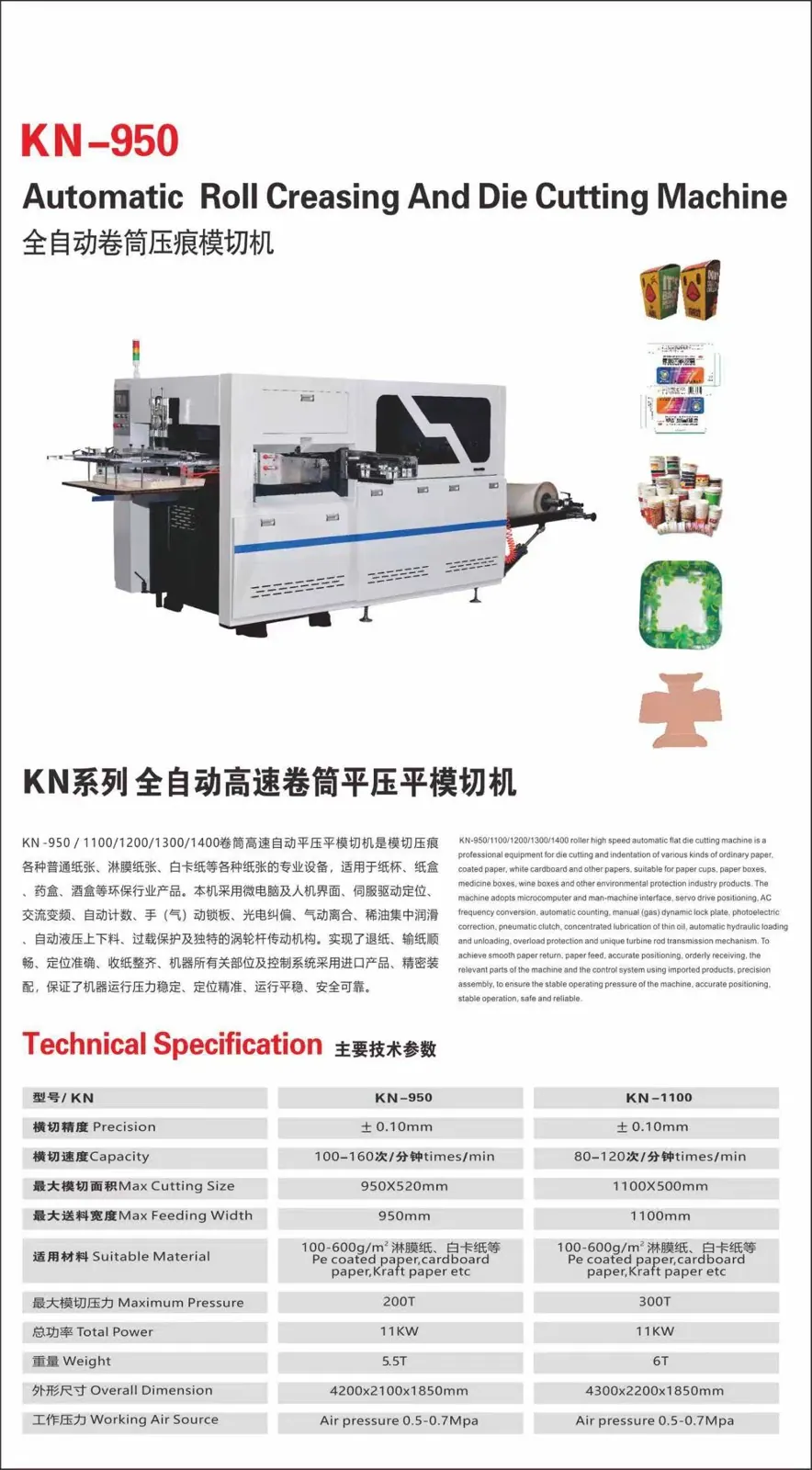
The published KN-950 reference sheet describes a roll-fed flatbed machine. It does not establish a rotary cutting-cylinder and anvil-gear pair. Do not assign that mechanism to the KN-950 simply because paper is supplied from a reel.
For a confirmed rotary system, record its actual cylinder and gear references. For a flatbed system, use the supplied feed and drive drawings. A general equipment description cannot establish which mechanism controls the observed error.
| Observation | Preserve | Do not conclude from it alone |
|---|---|---|
| Cut-to-print offset | Oriented blanks and artwork reference | Gear backlash is the cause |
| Different blank dimensions | Drawing, method and individual readings | Register is the only problem |
| Alternating error | Sequential samples and operating state | A particular gear pair is defective |
| Change after a transition | Time, roll and approved setup | Higher tension is the required repair |
Preserve a useful sample sequence
Identify the roll, die layout, material and approved job. Label samples in production order with feed direction and cross-web position. Record cut-to-print position separately from the finished blank dimensions. The register-control guide helps organize those different observations.
If a measurement changes between inspectors, resolve the method before calling it a machine trend. Preserve actual readings and units. A single good sample following adjustment is not enough to identify which change affected the result.
Keep backlash measurement mechanism-specific
Only qualified personnel should inspect drive components under the required isolation and safe-work procedure. Obtain the measurement points, reference condition and permissible movement from the actual machine or component documentation. This article supplies no universal backlash or mesh setting.
Noise can justify inspection but cannot quantify backlash. Likewise, reducing visible movement does not establish correct gear mesh. Do not tighten a gear arrangement until all movement disappears or copy an adjustment from another construction.
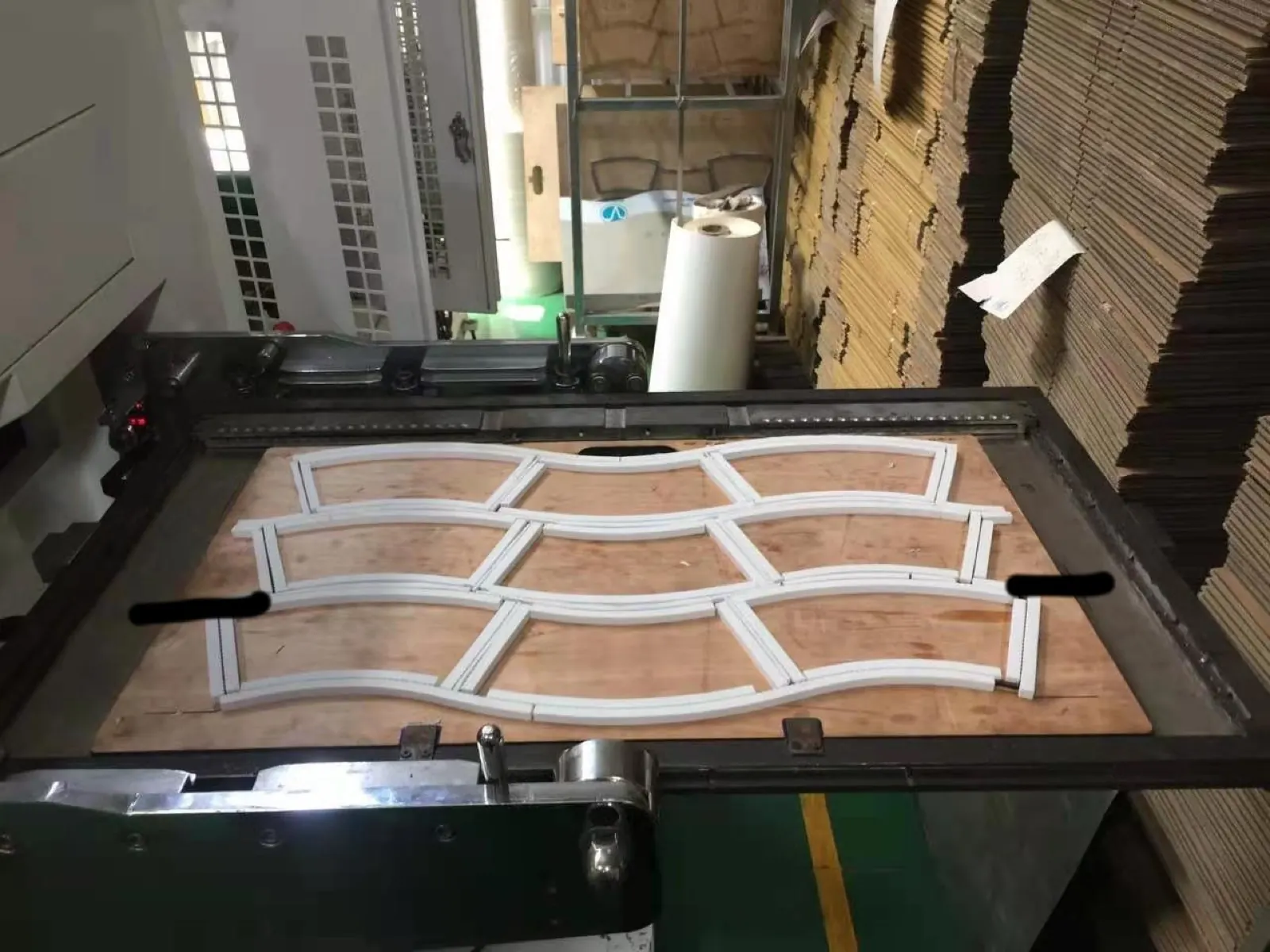
Use the tool-construction guide to keep flatbed tooling and rotary tooling references distinct. Record relevant support and component findings before cleaning or replacement where the approved procedure allows it.
Test the original acceptance question again
After authorized work, restore protections and complete required function checks. Repeat the original cut-position and blank-dimension checks using identified material and the same method. Include the agreed operating conditions rather than reporting only the easiest condition to pass.
Document the changes made and any uncertainty when several factors changed together. Release the condition against the approved product criteria. Do not describe an improvement as a confirmed gear repair unless the qualified diagnosis and comparison evidence support that conclusion.
Contact HANNAI with machine identity, actual mechanism references and ordered samples. The 950 product page is a configuration reference, not evidence that every rotary-drive component described elsewhere is fitted.
Frequently asked questions
Does alternating cut error prove backlash?
No. It is a pattern to investigate alongside feed, print reference, detection, material and the actual mechanism.
Can backlash be judged by sound alone?
No. Quantification requires the correct reference and measurement method.
Does a roll-fed machine necessarily contain rotary cutting gears?
No. Material supply and cutting construction are separate attributes.
What should be retained after adjustment?
Original and comparison samples, measurements, material and tooling identity, authorized work and the production-release decision.